TF1 TV Miniseries
TF1 TV Miniseries: “Our Planet”
TF1 crews have joined us on several of our expeditions in the Mediterranean Sea, alongside our researches and our founder, Greg Lecoeur. They all share the same goal: to raise awareness on the beauty of this sea.
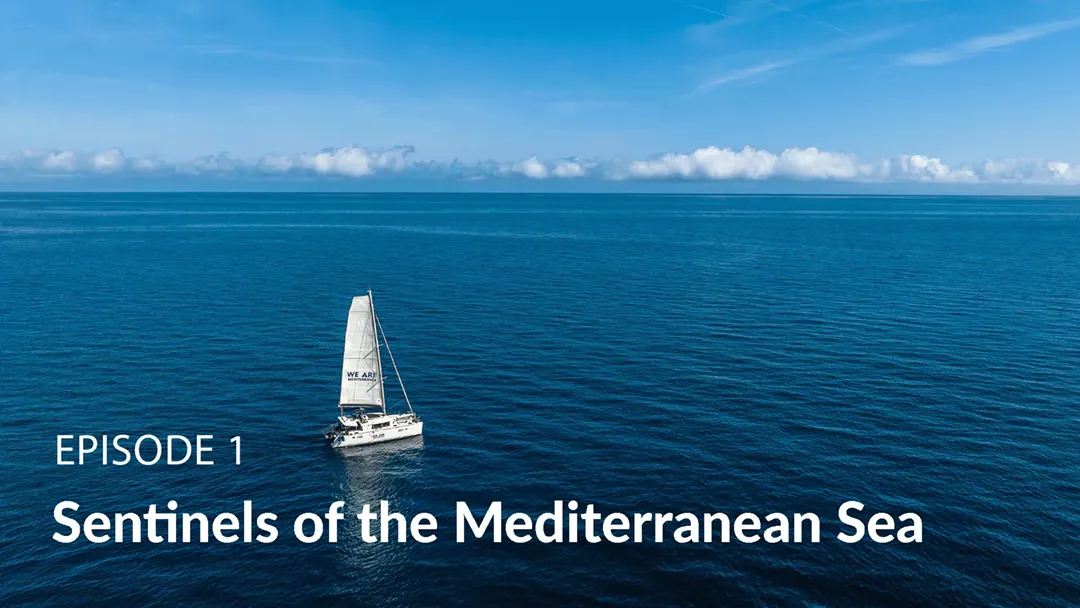
Episode 1
“Sentinels of the Mediterranean Sea”: An expedition to understand the effects of climate change.
After traveling across all the world’s oceans, photographer Greg Lecoeur decided to begin his exploration in the Mediterranean.
The voyage begins at the port of Nice for a week at sea. The crew consists of divers, videographers, and scientists. They will live together on the catamaran. Fred, the captain, sets course for Corsica. The various habitats of the Mediterranean are represented there: from shallow coastal waters to the open sea, including the abyss and deep underwater canyons that promote upwellings of cold water and plankton production.
Episode 2
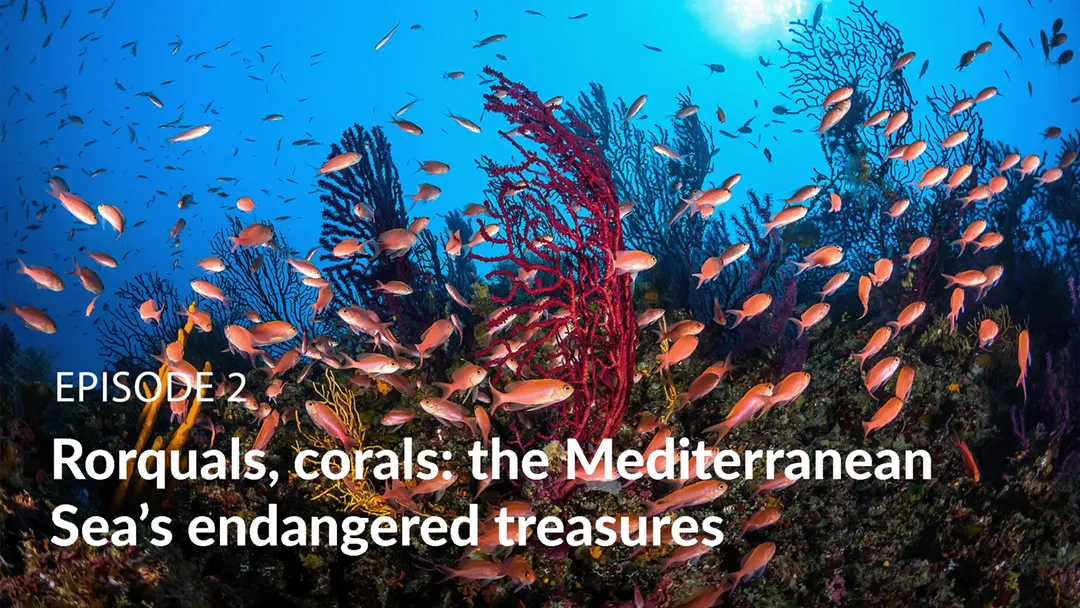
Rorquals, corals: the Mediterranean Sea’s endangered treasures
We might have missed the encounter of a lifetime if Greg Lecoeur, who is leading the expedition, hadn’t been on the lookout. Rushing across the deck, Fred, our cameraman, tries to capture the elusive moment. The fin whale, the Mediterranean’s most imposing mammal, has come up to the surface to breathe for a few seconds.
Episode 3
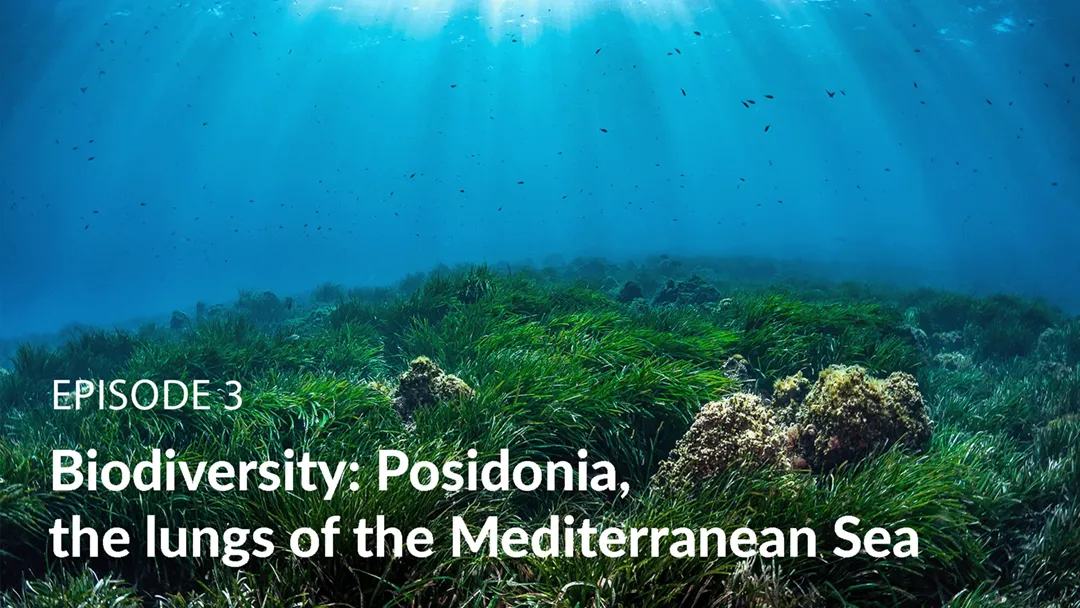
Biodiversity: Posidonia, the lungs of the Mediterranean Sea
Meter by meter, Posidonia serves as a refuge for hundreds of species—a canopy. Its leaves have survived 100 million years of upheaval. And under the protection of researchers, shielded from human pressures, it remains lush. This is a small victory for Stareso director Pierre Lejeune. He now has proof that Posidonia can survive global warming, provided it is kept at a distance from its true predators: boats.
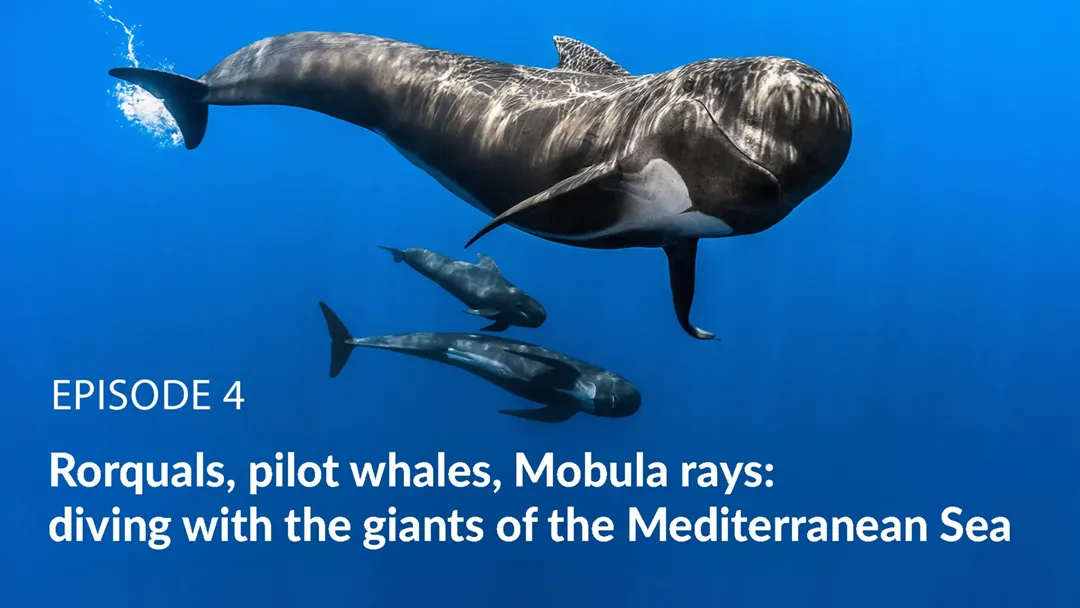
Episode 4
Rorquals, pilot whales, Mobula rays: diving with the giants of the Mediterranean Sea
Episode 5
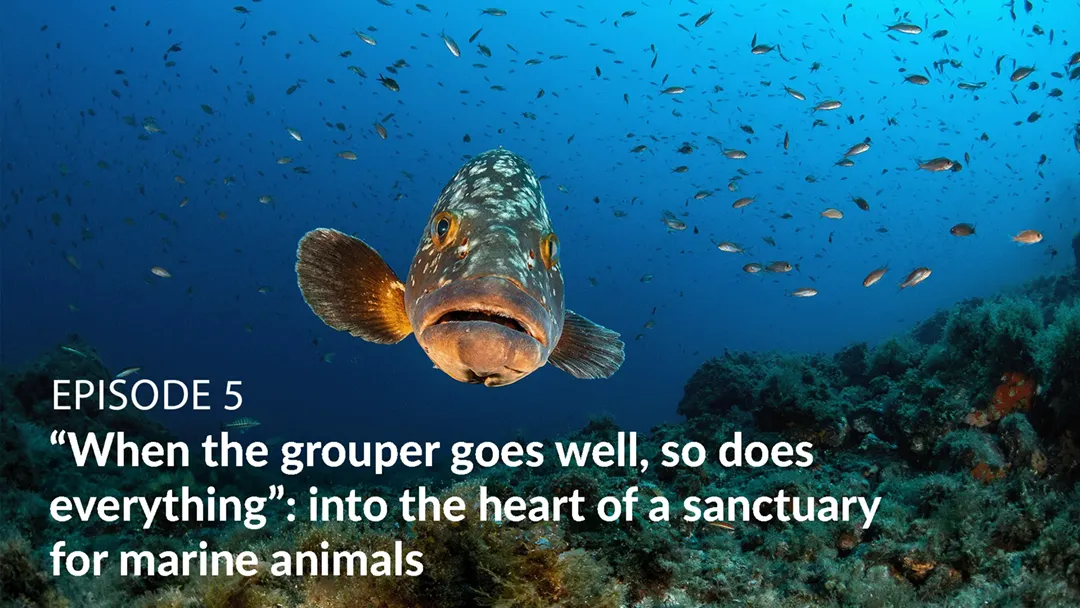
“When the grouper goes well, so does everything”: a dive into the heart of a sanctuary for marine animals
Photographer Greg Lecoeur and his team have set course for Port-Cros National Park in the Var region. The goal of this new leg of the journey is to assess the benefits of a nature reserve, but there’s still quite a bit of sailing ahead.
Léo, the captain, and Marie, his first mate, will take turns at the helm all night. When they wake up, the island of Port-Cros is in sight.“We’re in a marine protected area within the Port-Cros Marine National Park. We’ll be following them as they conduct their fish counts,” says Greg Lecoeur, the naturalist in charge of the “We are Méditerranée” expedition.
You can take action to protect the Mediterranean natural heritage.
