
Pelagos Expedition
Pelagos Expedition
Studies and Conservation of Marine Biodiversity in the Pelagos Sanctuary
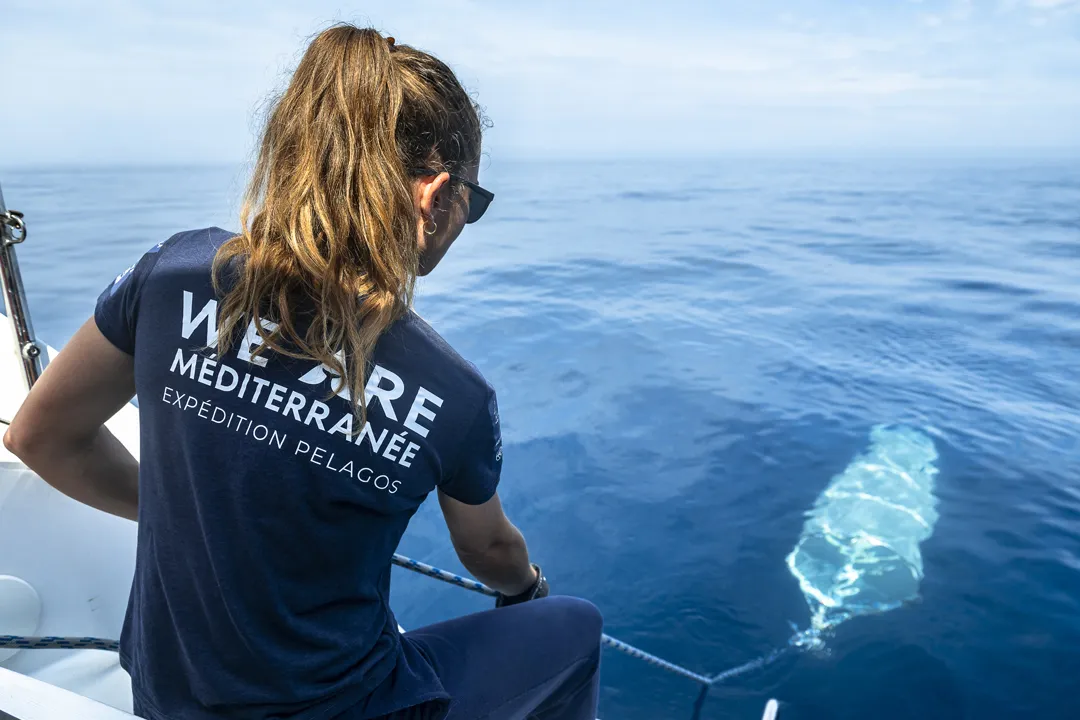
The Pelagos Expedition is a scientific and artistic exploration at the heart of the Pelagos Sanctuary, aimed at documenting and showcasing a haven for life where whales, dolphins, and sea turtles thrive in the vast blue expanse of the Mediterranean. Aboard an eco-friendly catamaran, explorers, sailors, scientists, and artists combine their talents to reveal, through the magic of imagery and science, the incredible richness of this ecosystem.
A unique mission that combines art and science to highlight the marine biodiversity of the Pelagos Sanctuary and raise awareness about its conservation.
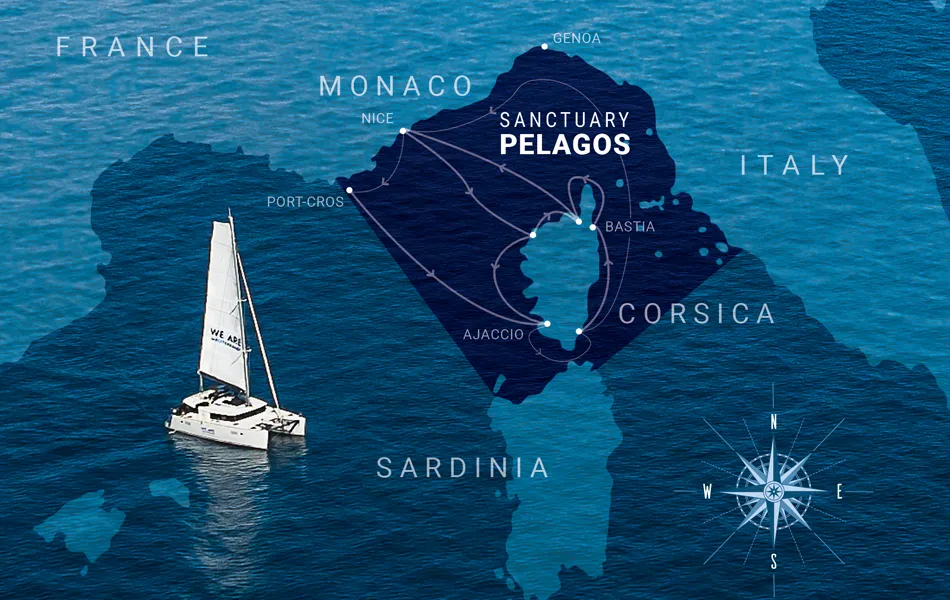
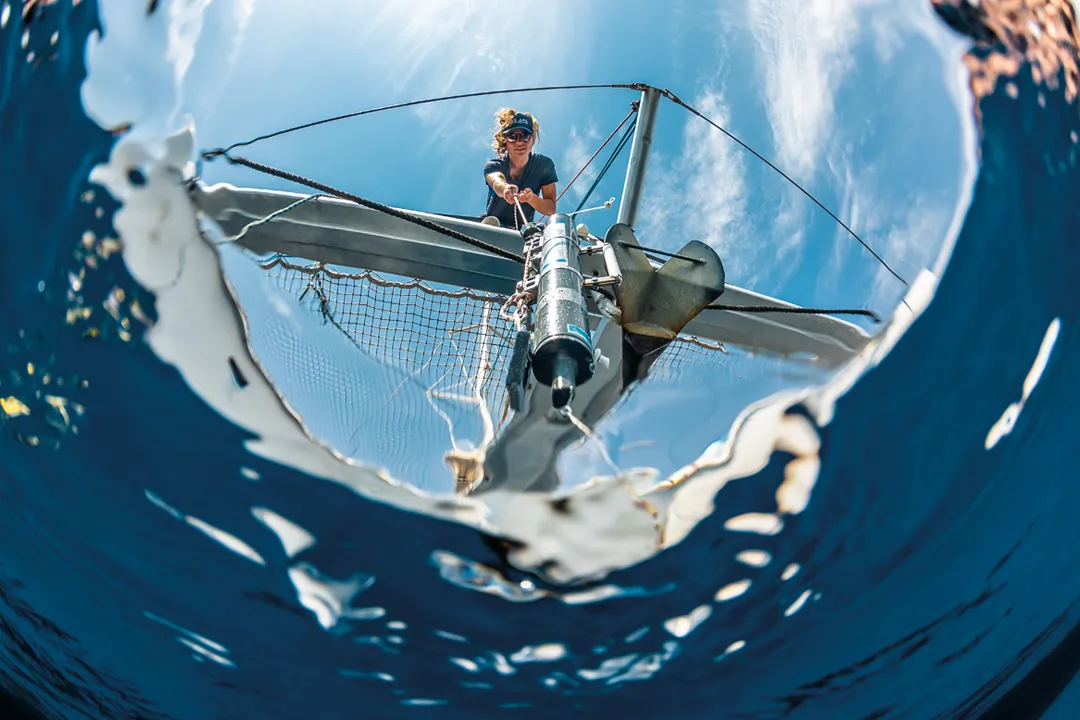
From collecting environmental DNA samples to studying the water column, conducting photographic surveys, and making naturalist observations, each dive reveals a fascinating world that is little known and often invisible to the naked eye. The project goes beyond discovery: it raises awareness, inspires wonder, and engages people.
5
Offshore Sailing Expeditions
3400
140
4
> 1 000 000
People made aware through our Pelagos campaign
Through exhibitions, conferences, and publications, We Are Méditerranée invites citizens and decision-makers to raise awareness of the fragility and splendor of the biodiversity of the Pelagos Sanctuary. Exploration becomes a means of sharing knowledge, and emotion turns into commitment, so that the sea remains a living, preserved sanctuary.
Scientific Explorations and Missions
Study of Biodiversity Along the Coast
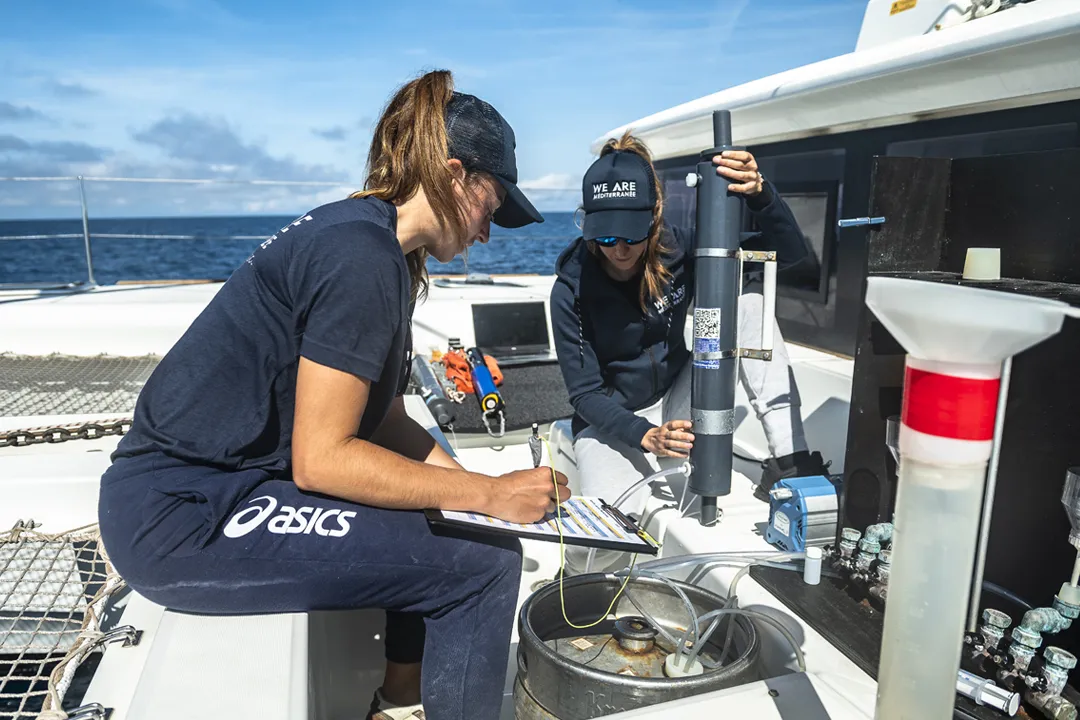
The water column—the very backbone of any marine environment, linking pelagic and benthic dynamics—is characterized by a wide range of physicochemical and biological phenomena and plays a decisive role in ecological functionality, the preservation of biodiversity, and the quality of these environments.
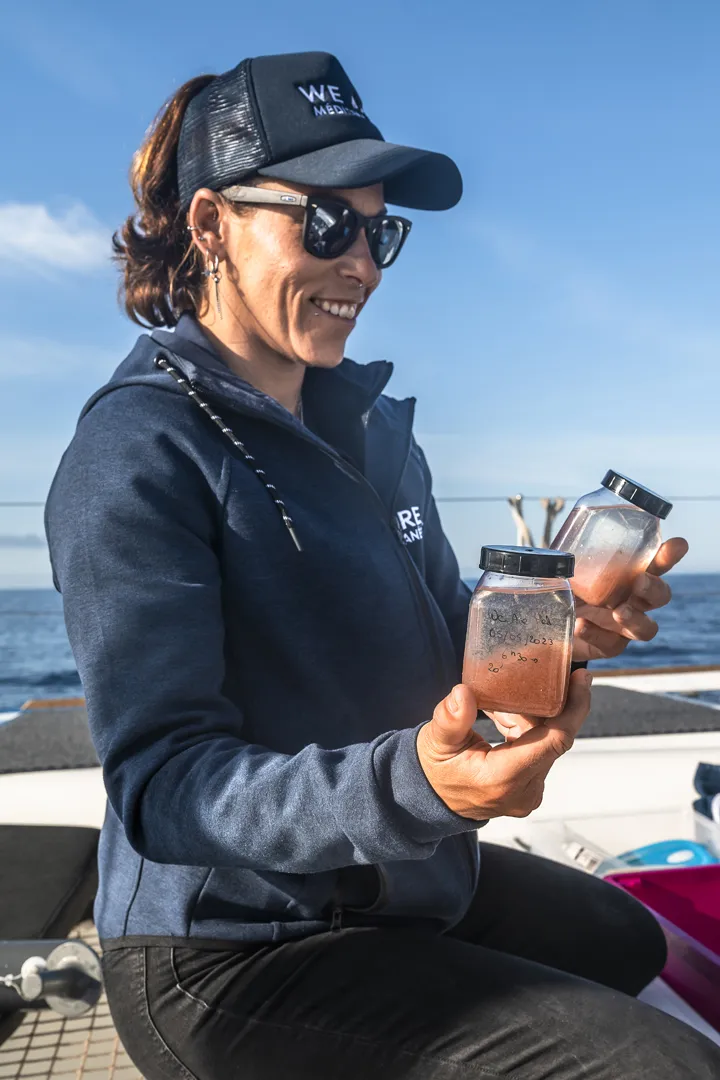
Study of the conditions that influence species distribution (physicochemical parameters and plankton)
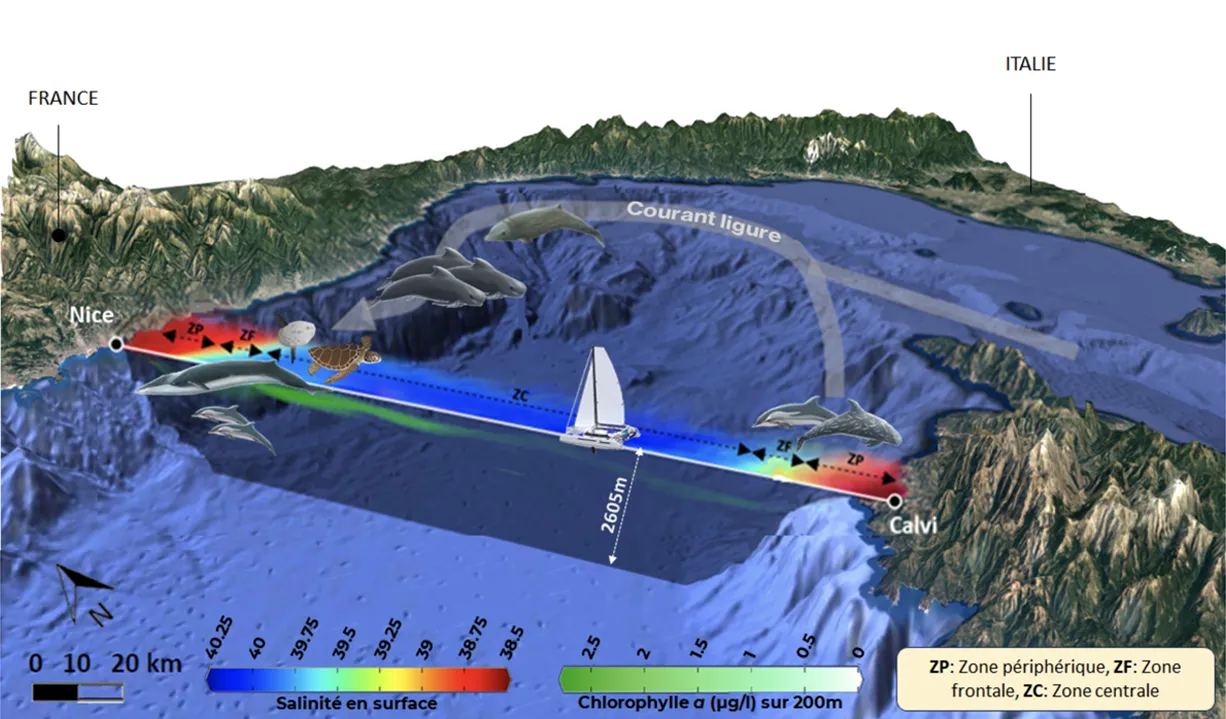
Twenty sampling points for various parameters (temperature, salinity, plankton) were established along a radial line between Calvi and Nice.
The structure of the water column is determined by physical and chemical parameters in the Ligurian Sea. It is noteworthy that the distribution of maximum phytoplankton biomass coincides with that of zooplankton and, above all, with 70% of the diversity of megafauna species observed at sea, including certain bioindicators of productive zones, such as the sunfish, the sea turtle, and the fin whale.
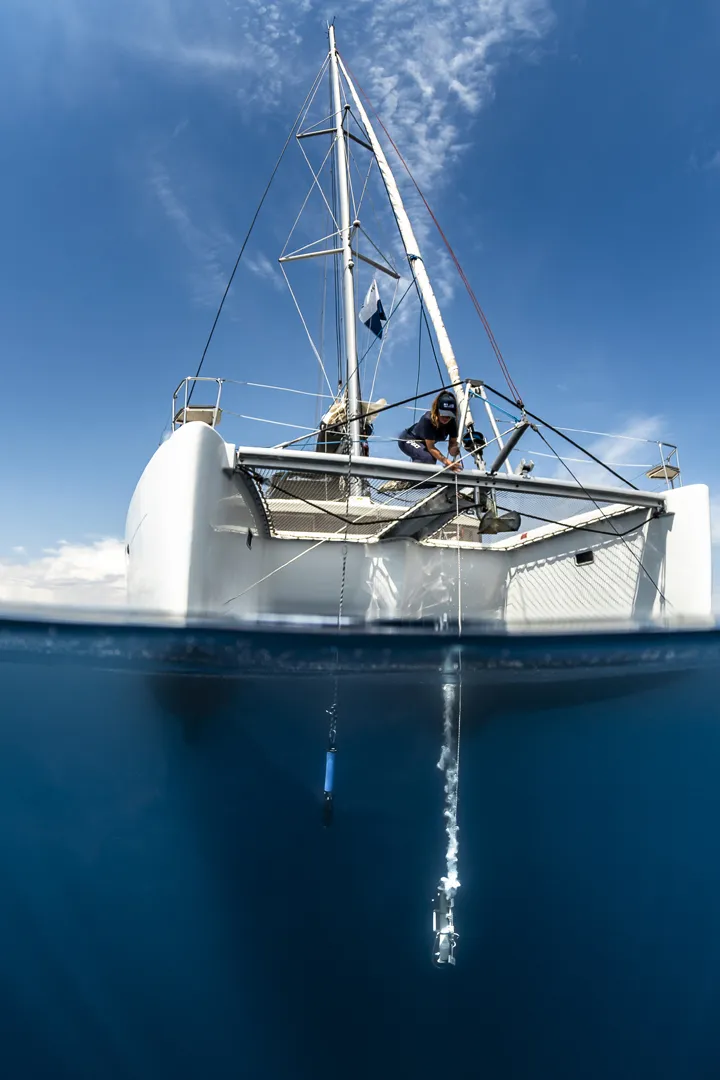
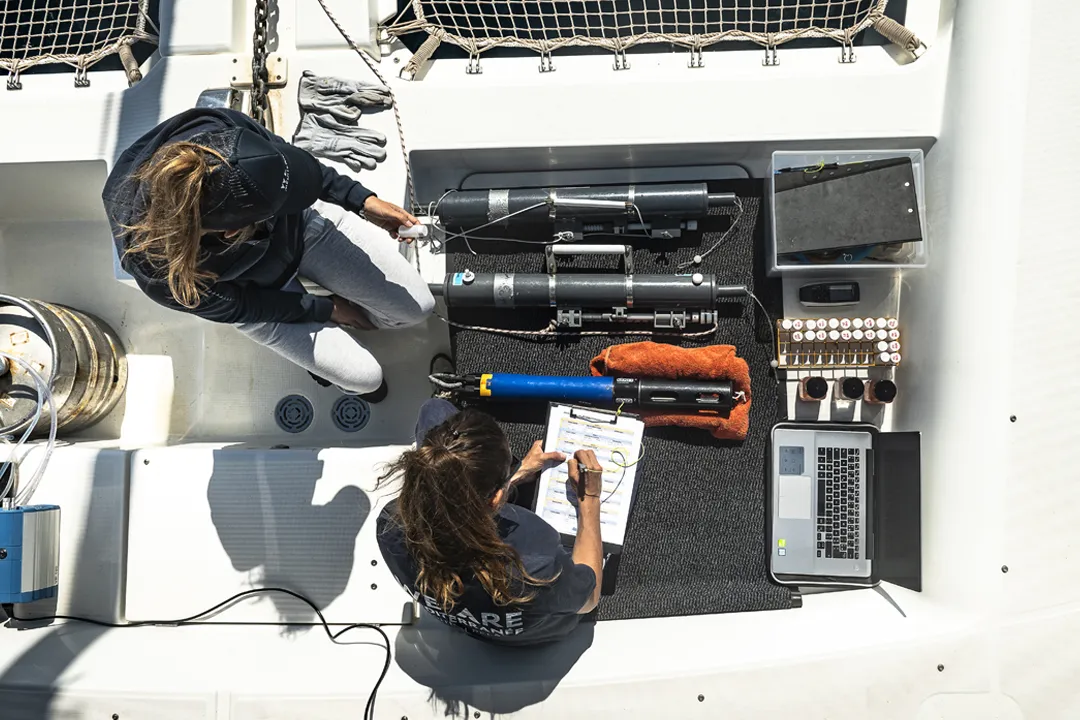
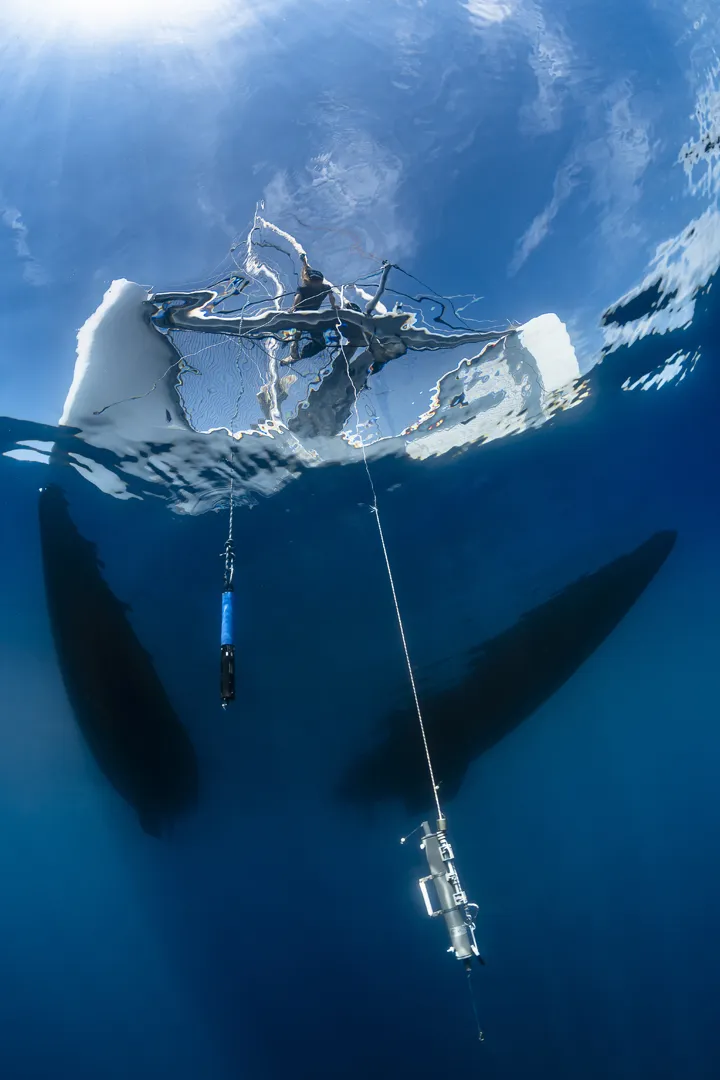
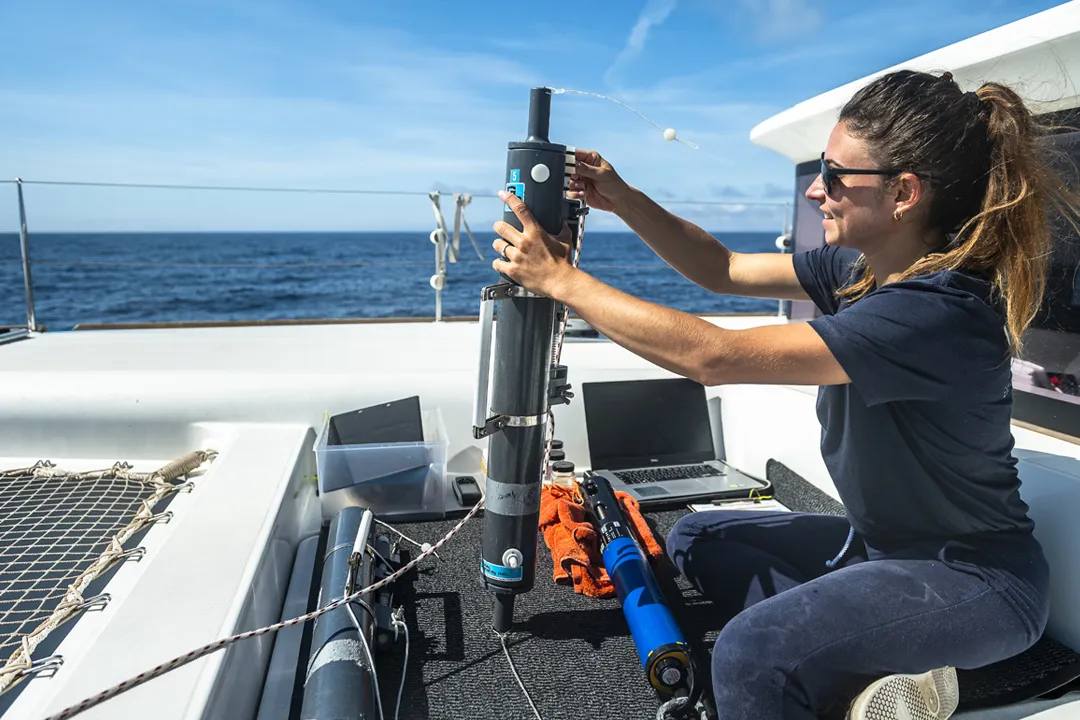
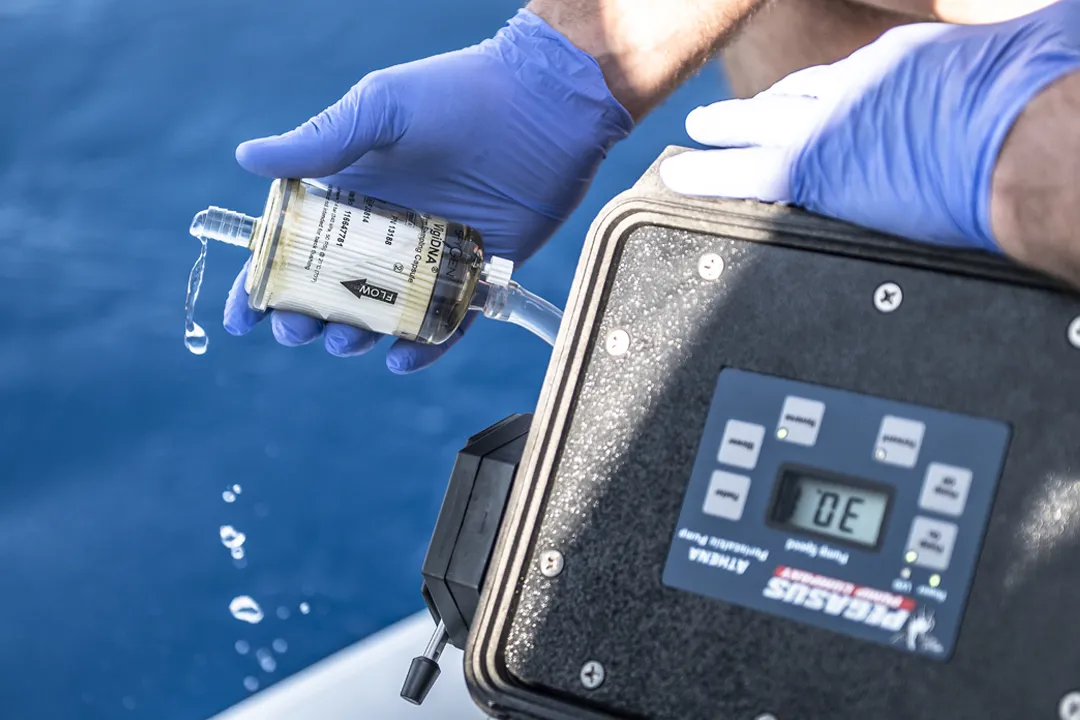
Biodiversity Survey Based on Environmental DNA (eDNA)
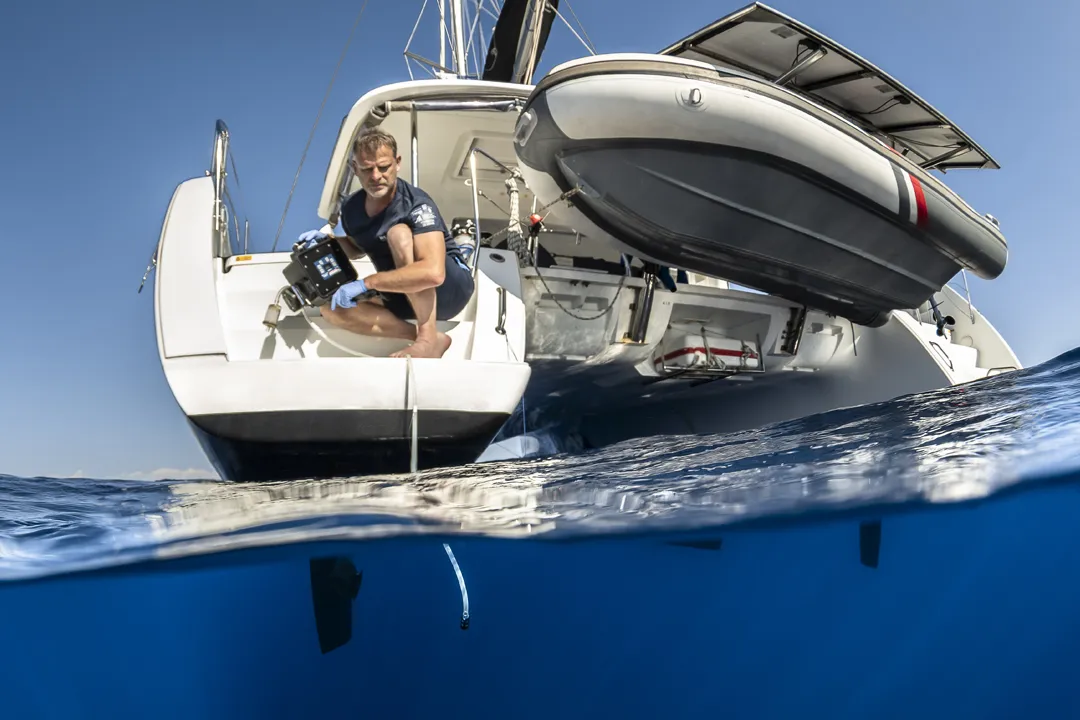
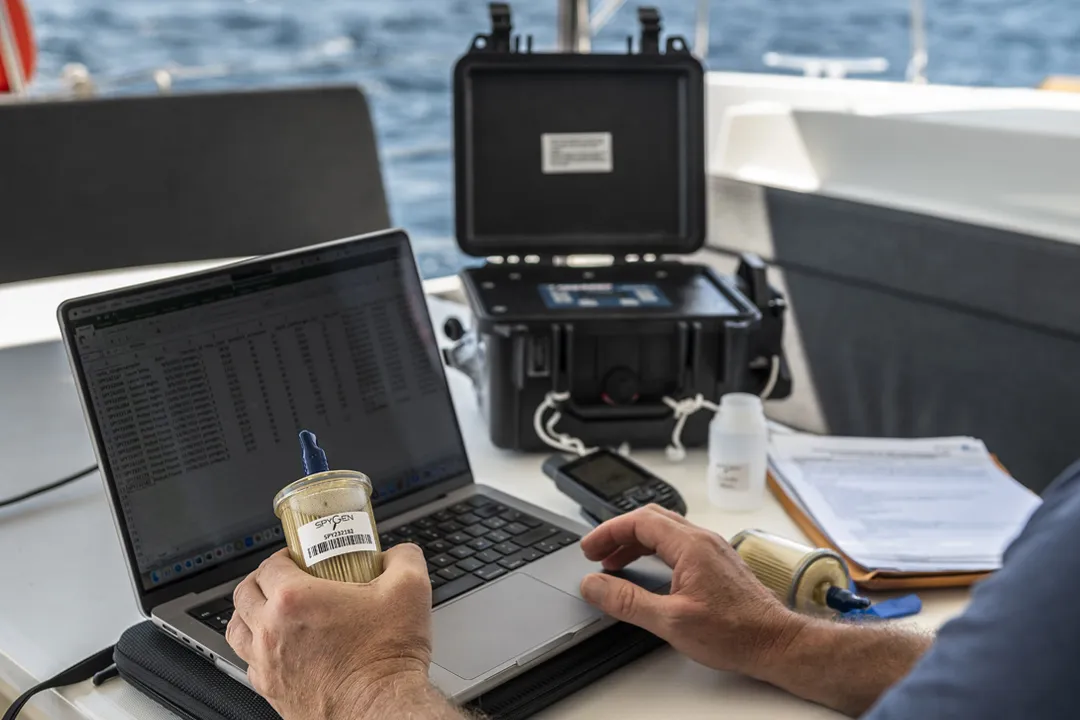
Twelve stations located throughout the Pelagos Sanctuary were explored.
DNA from marine mammals and other species of interest was detected at all surveyed sites, underscoring the importance of the Pelagos Sanctuary for the protection of marine mammals’ habitats. This mission was part of the BioDivMed program, which covers the entire French Mediterranean and aims to map coastal marine biodiversity.
Biodiversity Survey of Sandy Seabeds
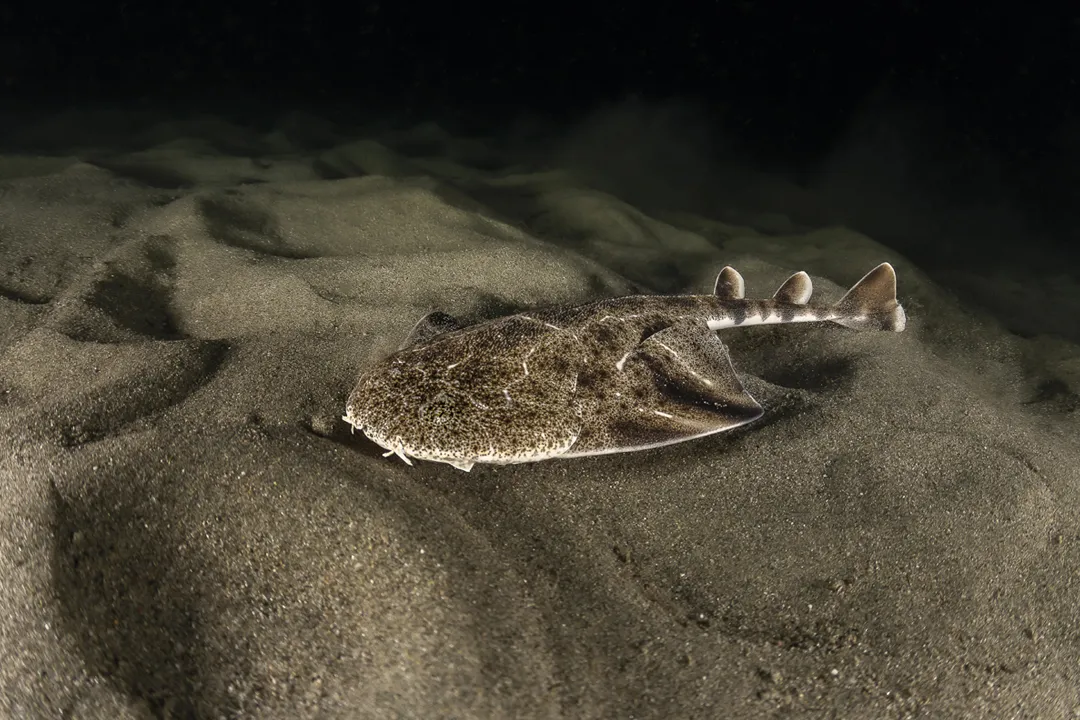
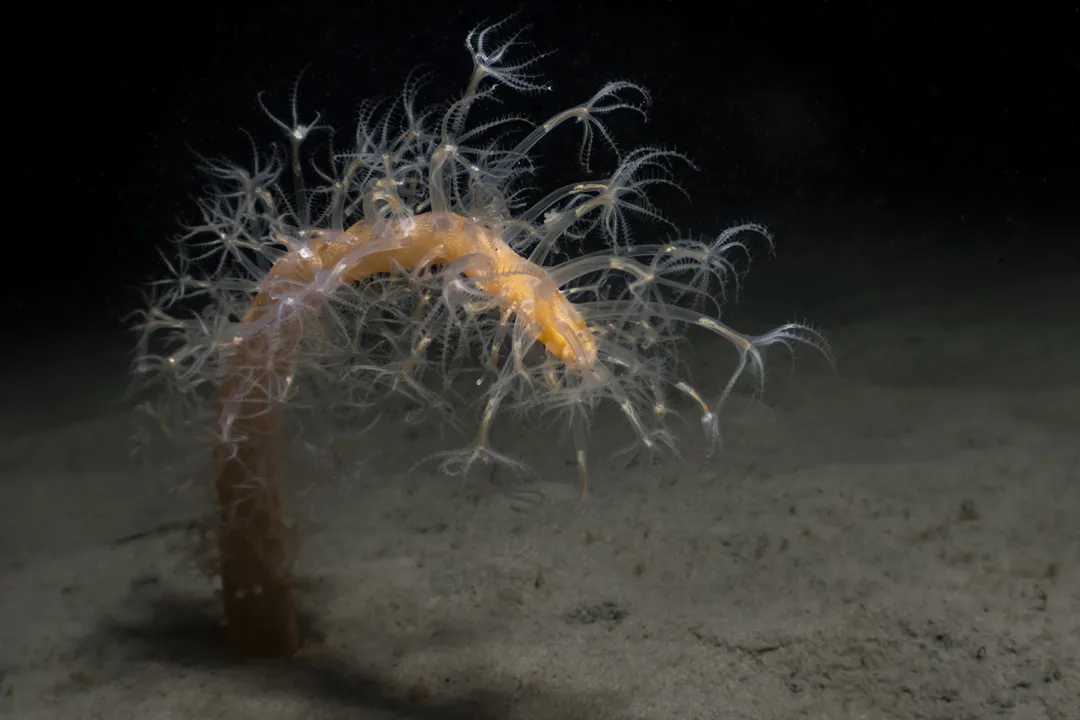
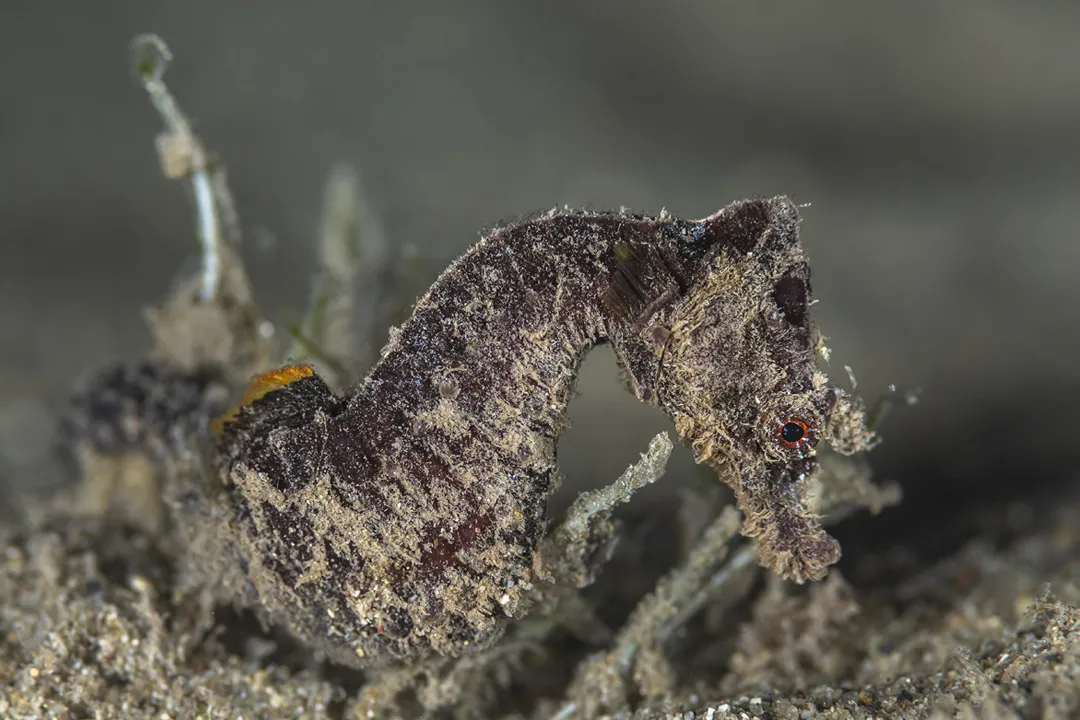
The sandy seabed begins at the sandy beaches along the coast and extends down to great depths. This habitat, which covers many square kilometers of the Mediterranean coastline, is home to a teeming, unique, and strange marine life—yet one that remains poorly understood.
These sandy habitats are often considered, in comparison to Posidonia seagrass beds or coralligenous ecosystems, to be “poor” habitats, and frequently as environments “to be sacrificed” for the location of a discharge point, a dredging area, a development project, or to direct the mooring of recreational vessels. Furthermore, they account for the vast majority of offshore development projects and are therefore the habitat most impacted by the expansion of human activities (Holon et al., 2015), particularly coastal land reclamation.
During the project, 48 dives were conducted in 11 survey areas across 3 sites (fine sand, Bastia; sandy-mud, between Nice and Antibes; near seagrass beds or rocks, Saint-Florent). The combination of the diurnal cycle, depth, substrate type, and nearby biocoenoses allows for the identification of 7 typical communities within the infralittoral soft-bottom habitats.
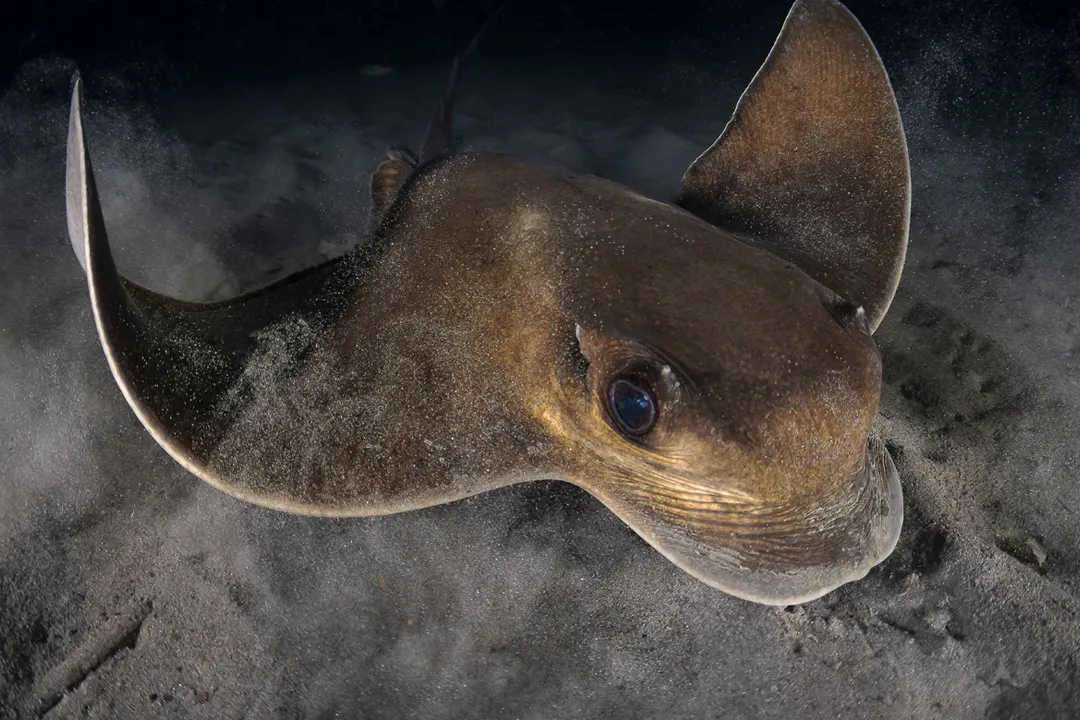
Exploration of this little-known habitat has revealed the presence of rare species (such as the white grouper and the angel fish) and numerous juveniles, highlighting the importance of this ecological niche.



Megafauna Inventory
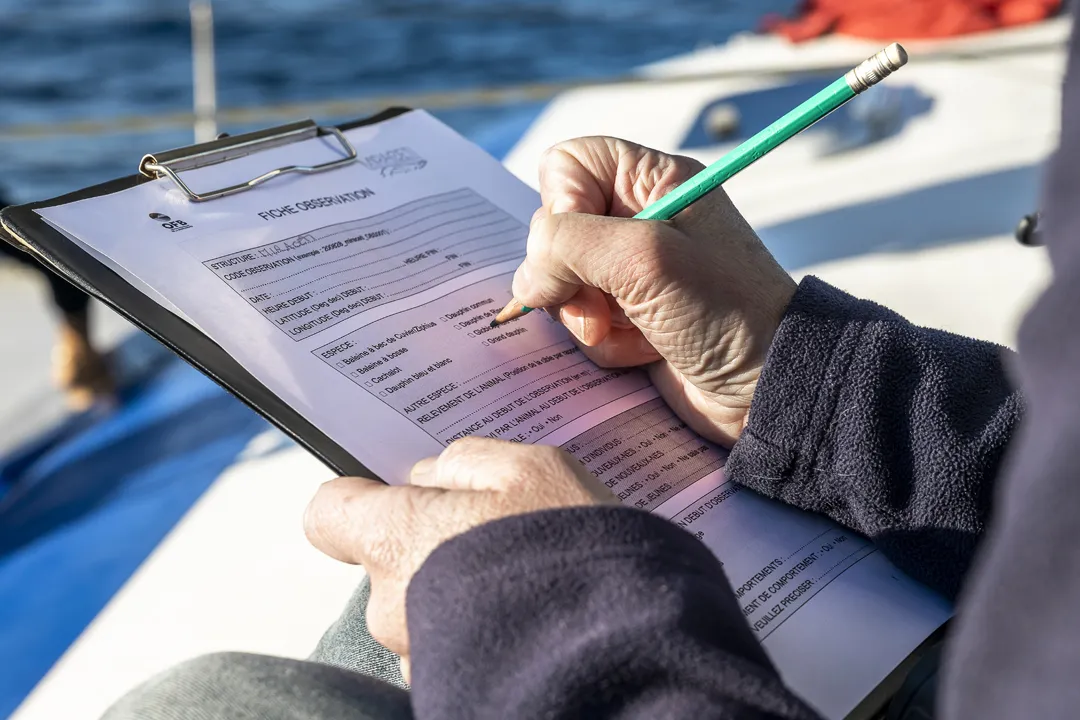
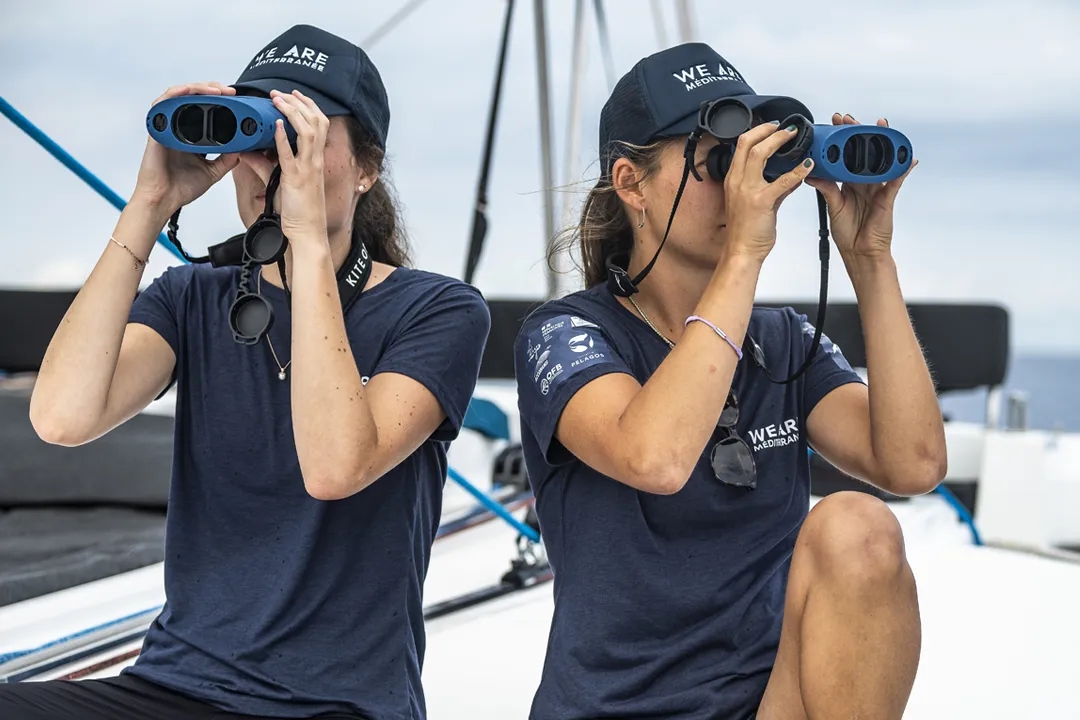
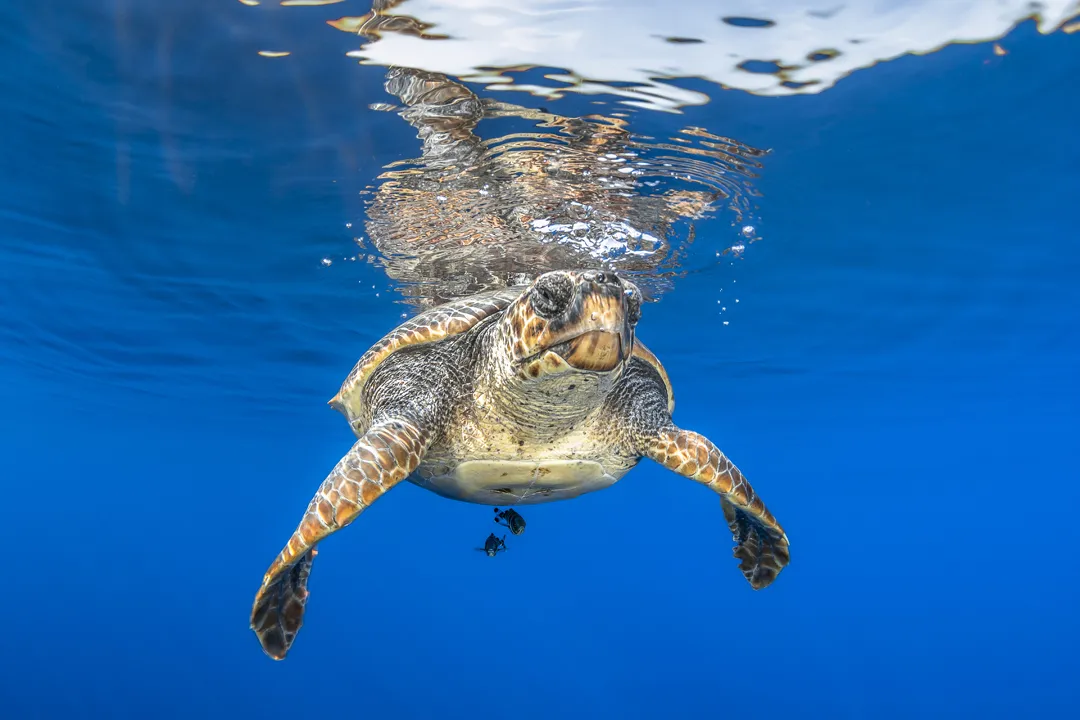
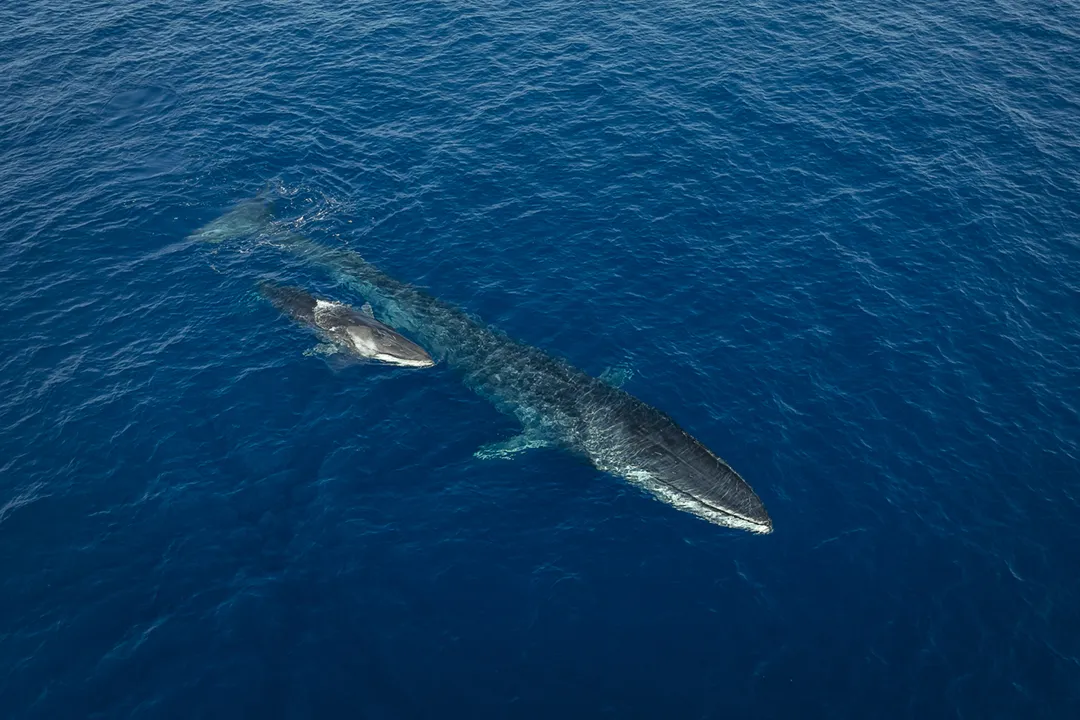
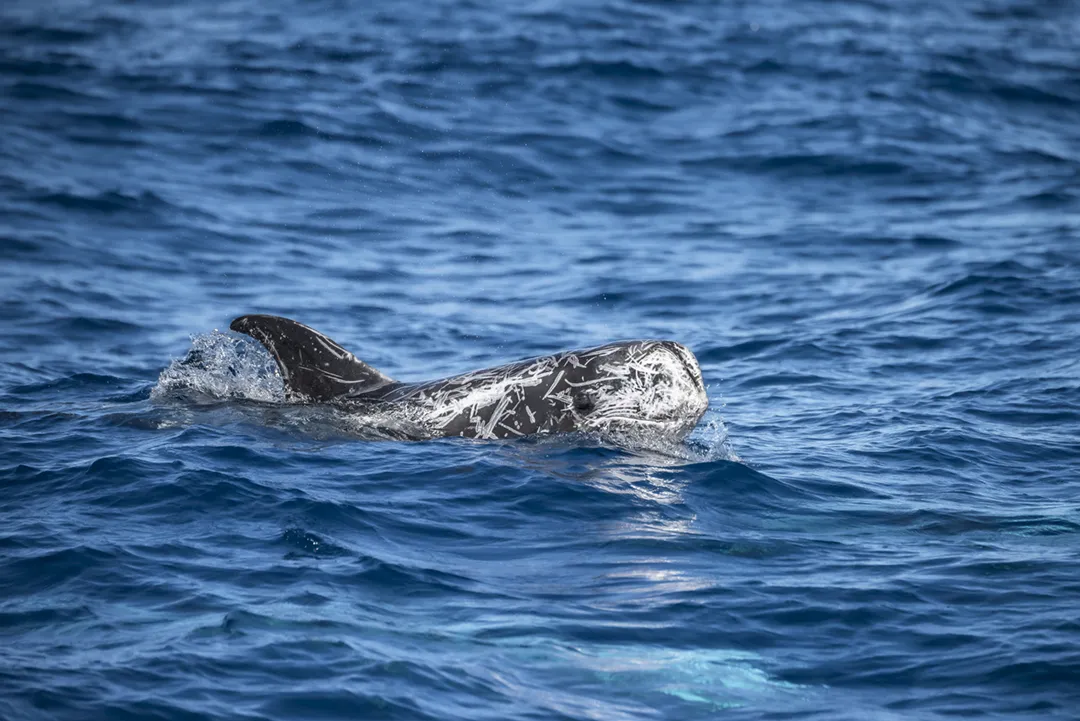
Megafauna observation campaigns have made it possible to collect data and document a rich diversity of pelagic megafauna, with more than 400 observations recorded. The eight most common species of marine mammals in the sanctuary were observed, including the fin whale and Cuvier’s beaked whale.
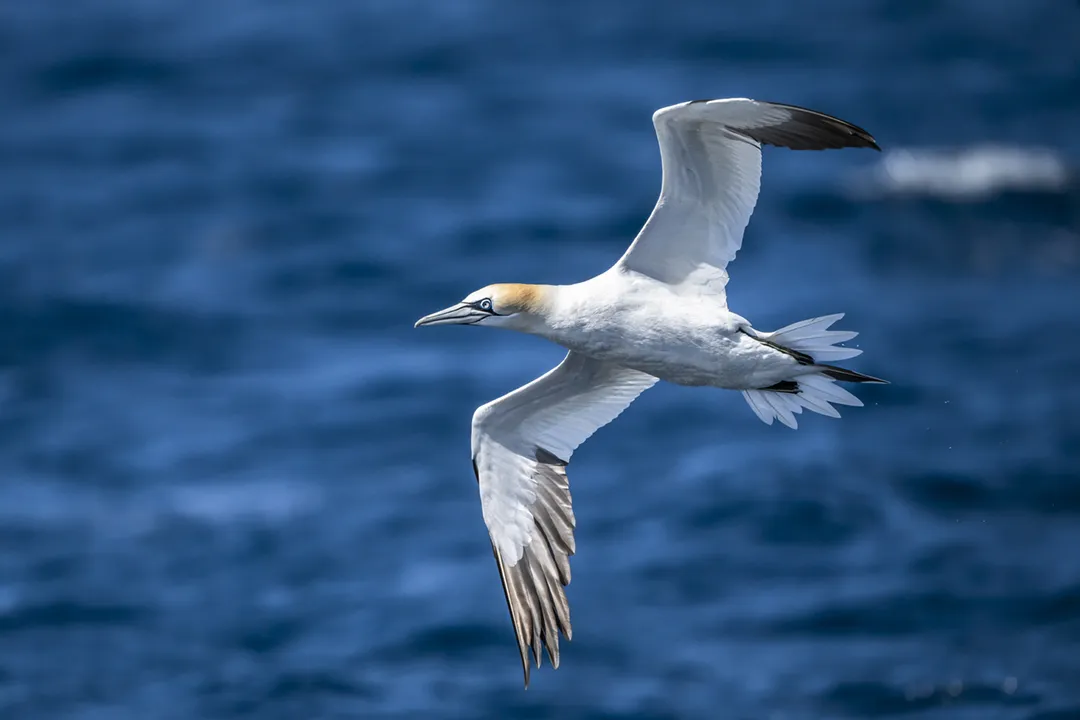
Many species of birds were observed, including migratory species such as the northern gannet, the razorbill, and the Atlantic puffin. Other species, such as the loggerhead sea turtle, bluefin tuna, and schools of devilfish, were also frequently observed.
These campaigns also helped document the threats and impacts of human activities, such as pollution, bycatch, and maritime traffic.
Promotion and Awareness Campaign
A collection of unique images
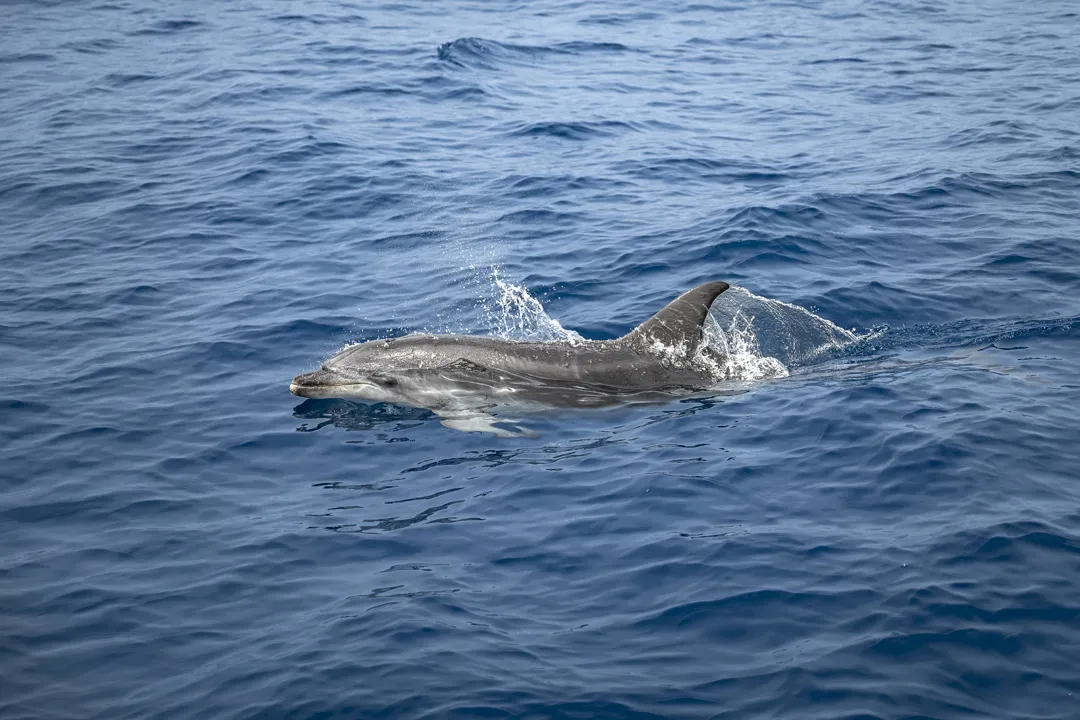
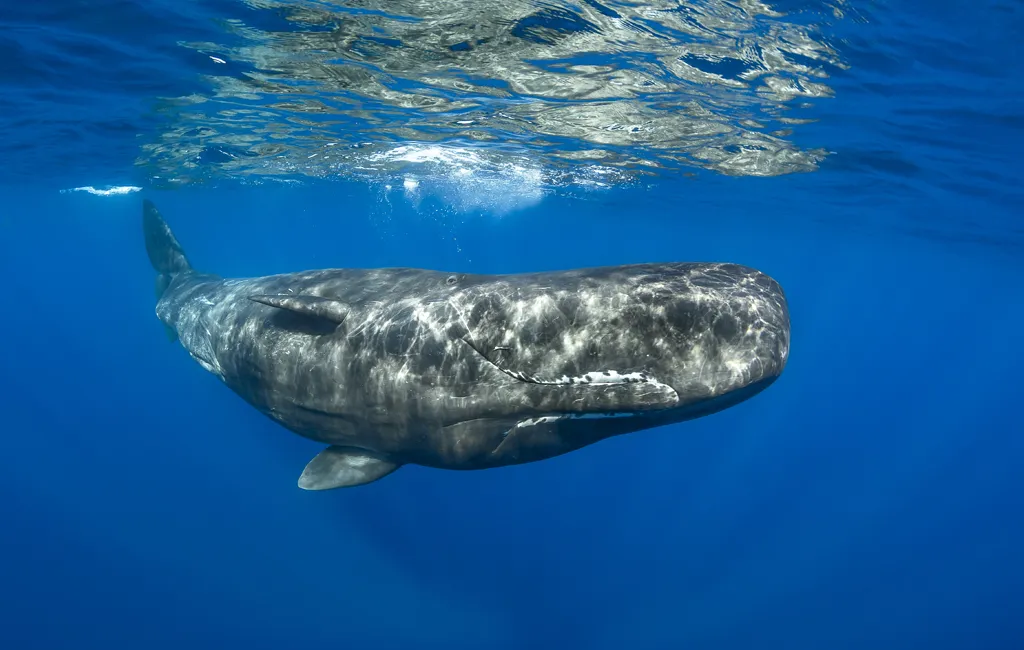
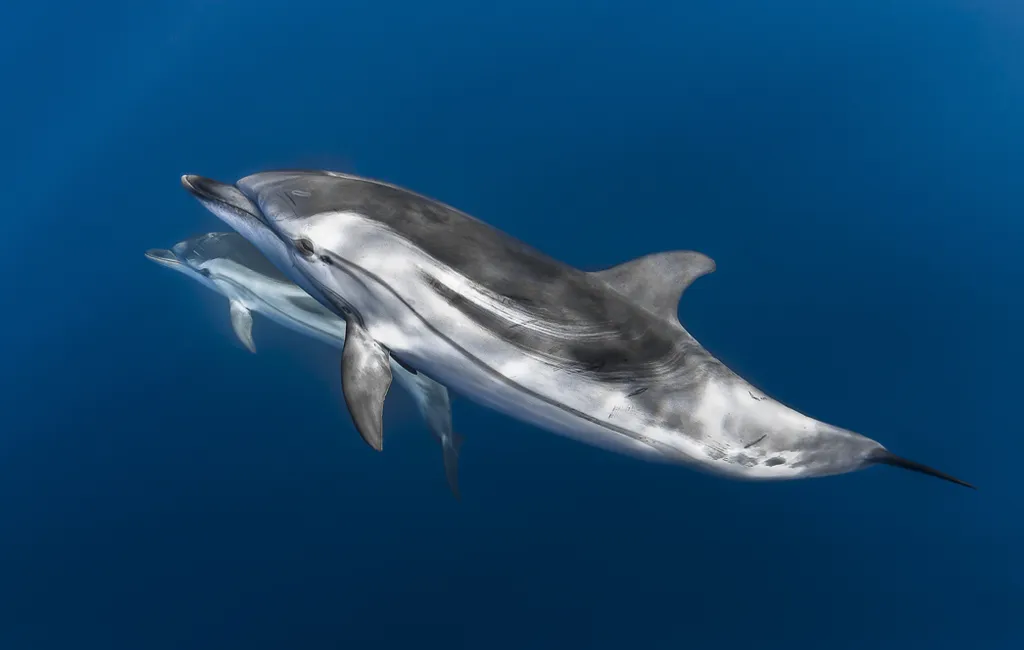
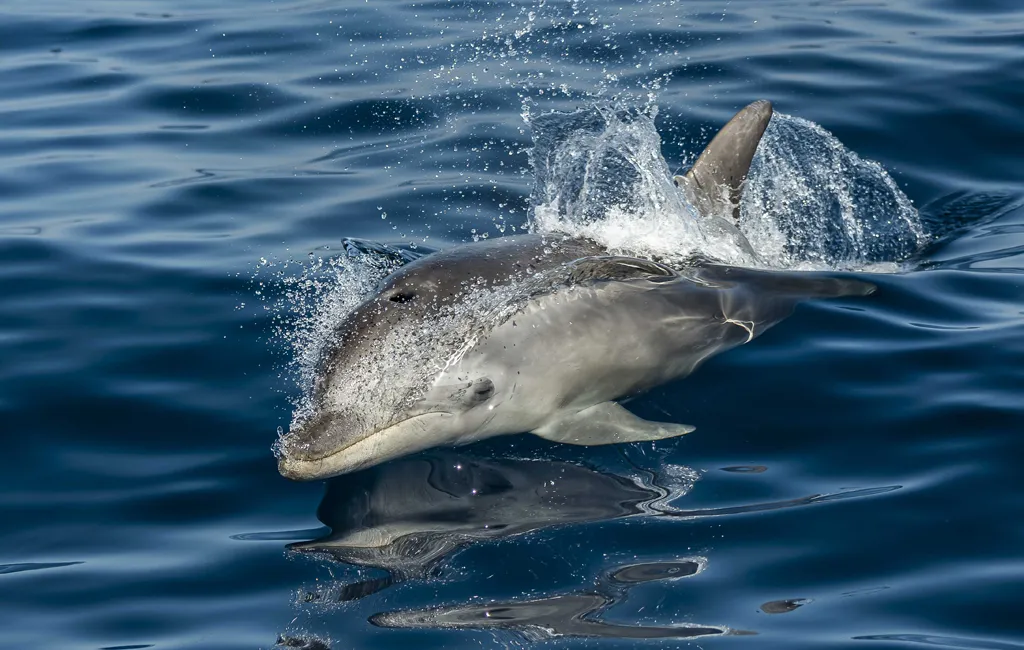
The days spent at sea made it possible to compile a collection of unique images, revealing the richness of the marine habitats in the Pelagos Sanctuary, the diversity of the species that inhabit them, and the pressures caused by human activities.
These images, made freely available to partners, are more than just illustrations. They inspire wonder, provoke thought, and serve as a bridge between science and the general public. By combining aesthetics and knowledge, they help people understand ecosystems and inspire a desire to protect the marine environment.
Widespread awareness
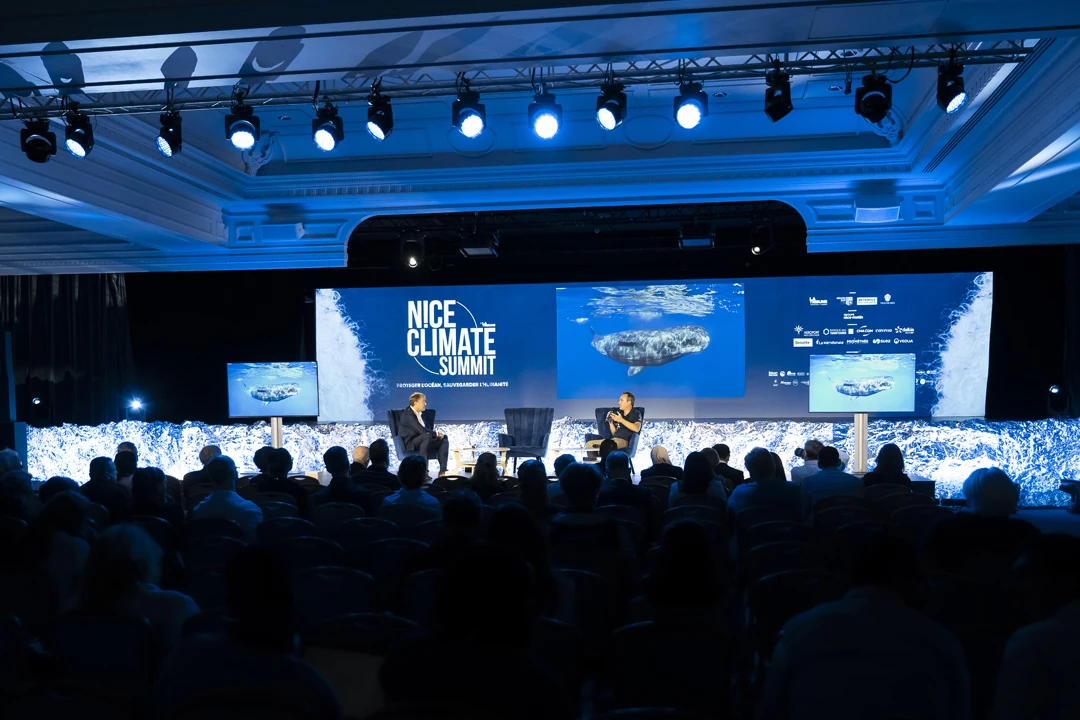
Through publications, exhibitions, and public events, these images have become part of a broad awareness-raising effort. They have helped expand the project’s reach, highlight environmental issues, and strengthen the bond between citizens and this exceptional sanctuary. The stories and images have reached a wide audience, raised awareness of the Pelagos Sanctuary’s existence and biodiversity, and sparked a dialogue on the need to preserve this exceptional natural heritage that surrounds us every day.
Several initiatives have been undertaken to promote the Pelagos Sanctuary
And thanks to all these events, several million people were reached throughout the project, thereby contributing to a better understanding and protection of the sanctuary.
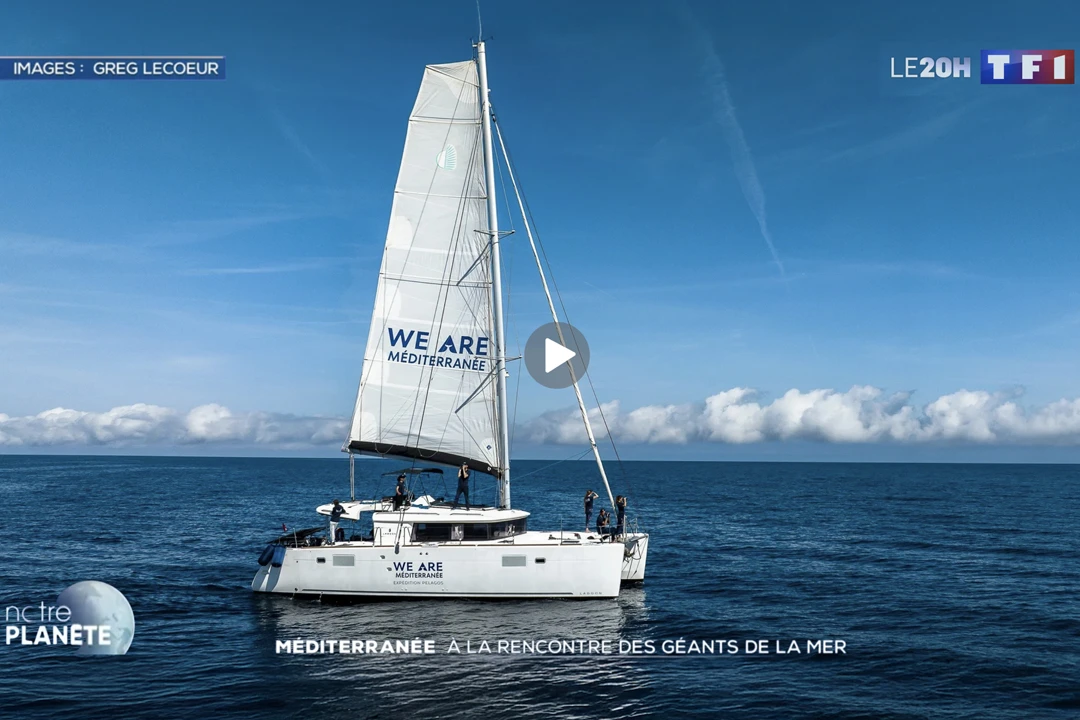
A TF1 TV series
An all-new miniseries airing during the 8 p.m. newscast, offering a look at the Pelagos Sanctuary.
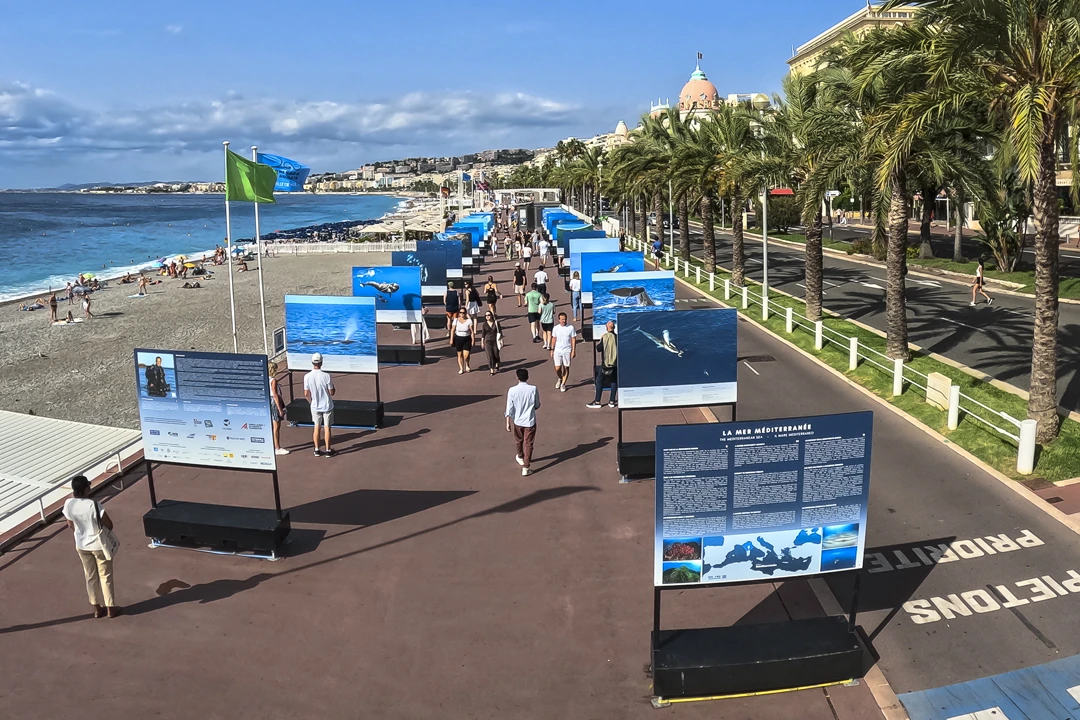
Exhibitions
Our traveling exhibitions have been to Nice, Monaco, Genoa, and other cities.
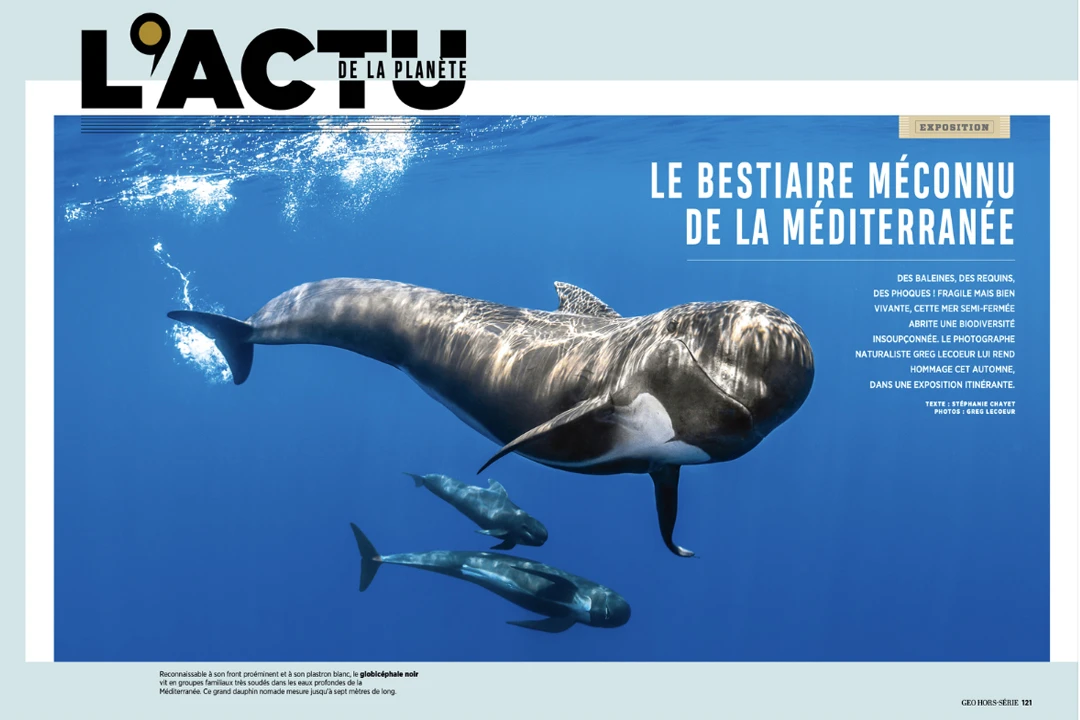
Publications
More than 15 articles have been written about us in the press and trade publications.
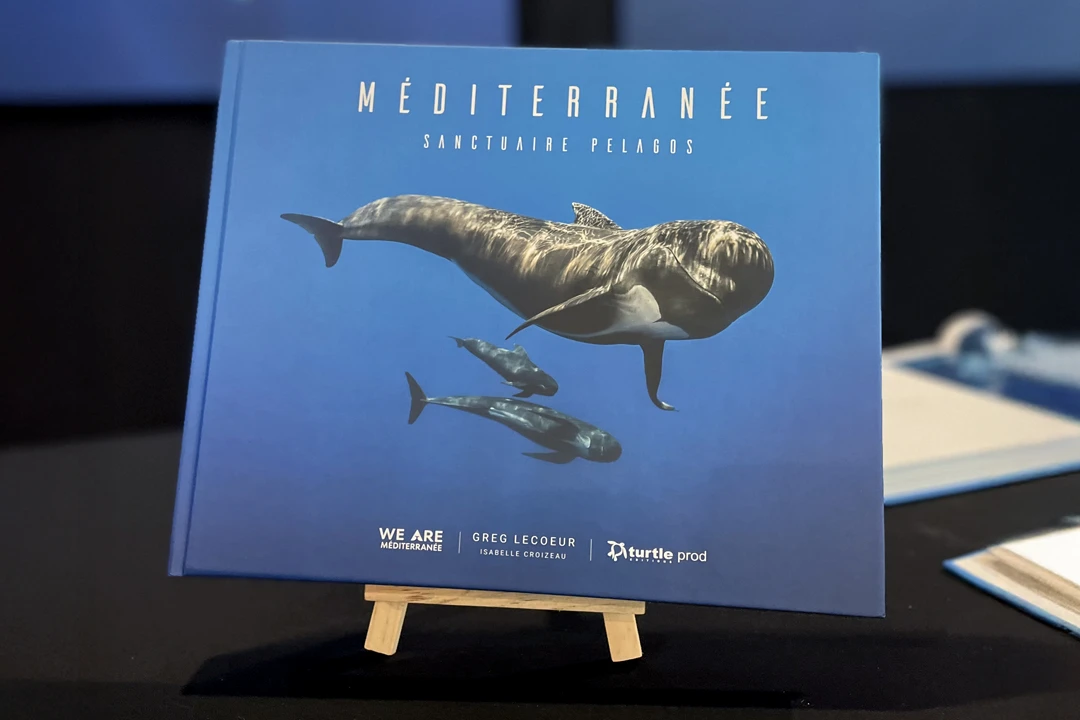
A book published
A 300-page book celebrating the richness and fragility of Pelagos.
Our Partners
They supported the Pelagos expedition

Taking Action for the Mediterranean Sea
Together, let’s protect its natural heritage and unique biodiversity, for current and future generations.
