
Mediterranean Sea
The Mediterranean Sea
An Exceptional Heritage
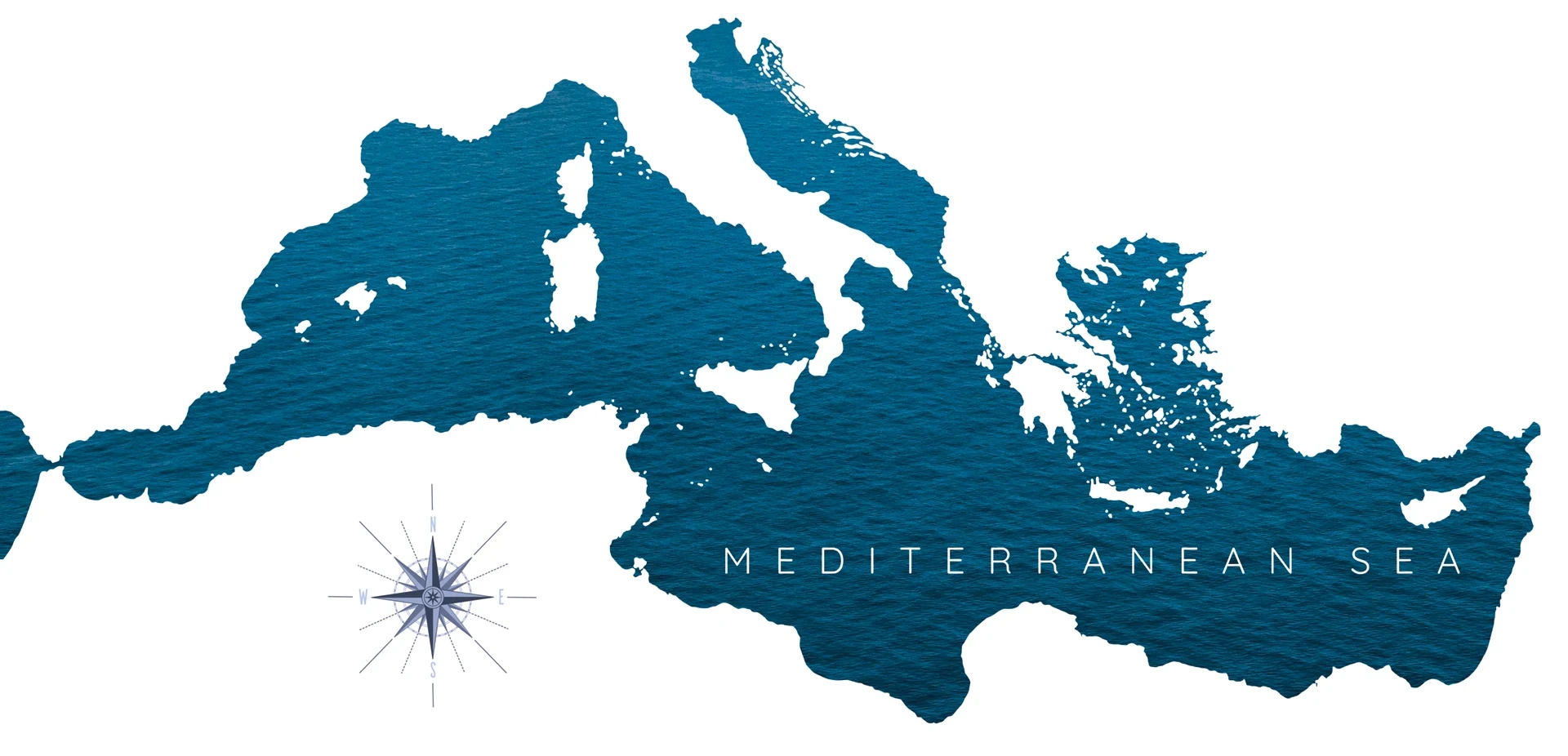
Straddling Europe, Africa, and Asia, the Mediterranean Sea stretches out like an inland sea, a deep blue mirror at the heart of civilizations. Almost entirely enclosed, it has connected people for centuries. Some of humanity’s greatest cultures—Egyptian, Greek, Roman, Berber, and Phoenician—emerged along its shores, making this sea a true cradle of civilizations and a crossroad of cultural, human, and economic exchange that has shaped our shared history.
Shaped by a fascinating geological history—marked by the Messinian salinity crisis and the reopening of the Strait of Gibraltar nearly six million years ago—it dried up and then filled once more in a colossal flood. This extraordinary past has shaped a sea unlike any other in the world. Although it covers only 0.8% of the ocean’s surface, it is home to nearly 10% of known marine biodiversity, with more than 17,000 species, many of which are endemic. This rare and precious concentration makes it one of the richest—and most fragile—biodiversity hotspots on the planet.
Fascinating ecosystems thrive in its waters:
The underwater Posidonia forests, true carbon sinks; the coralligenous reefs, refuges of life of unsuspected beauty; and the open water, the realm of large cetaceans and planktonic organisms. Every nook and cranny harbors biological treasures—some still unknown—where life thrives in a dance that has been unfolding for millennia.
But this life-sustaining sea is in danger. Plastic pollution, overfishing, maritime traffic, climate change, and coastal development are disrupting its balance. The high volume of tourism—an economic driver for its shores—requires a transition to a more sustainable model.
Protecting the Mediterranean Sea means defending a sanctuary of life and memory. It means rethinking our relationship with the sea with respect, knowledge, and responsibility—for today and for future generations.
0.8%
0.8% of the surface of seas and oceans
>10%
>25%
Endemic species
Major Ecosystems
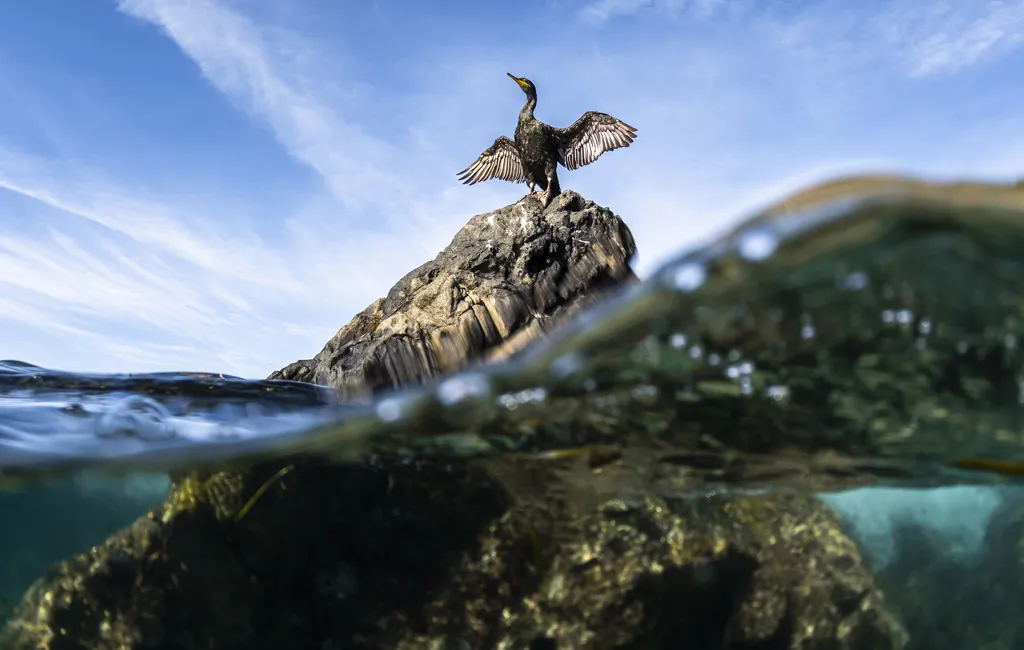
Rocky bottoms
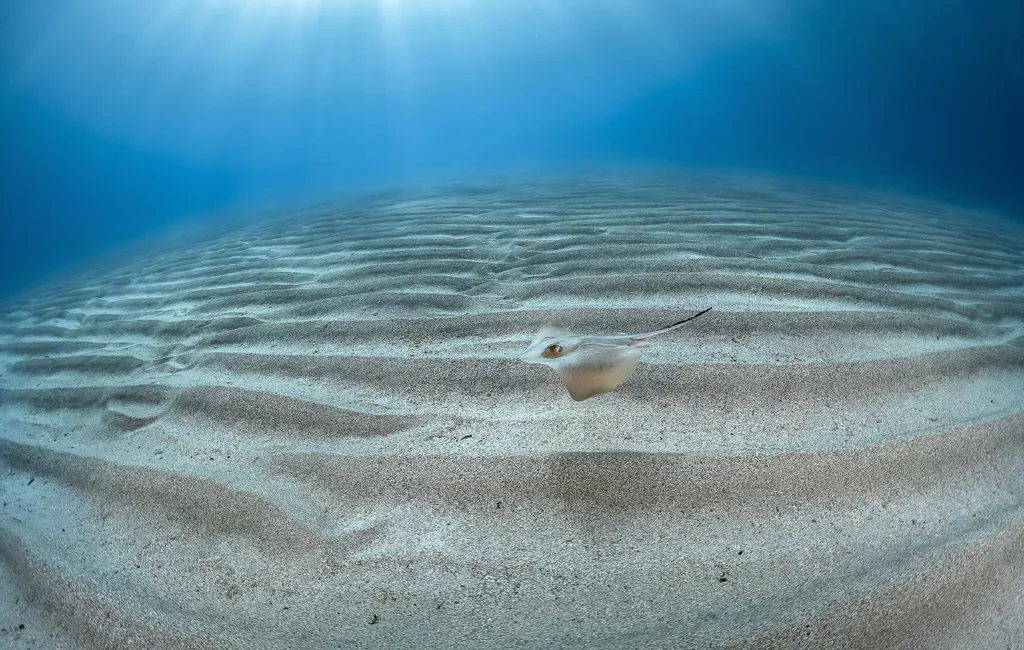
Sandy bottoms
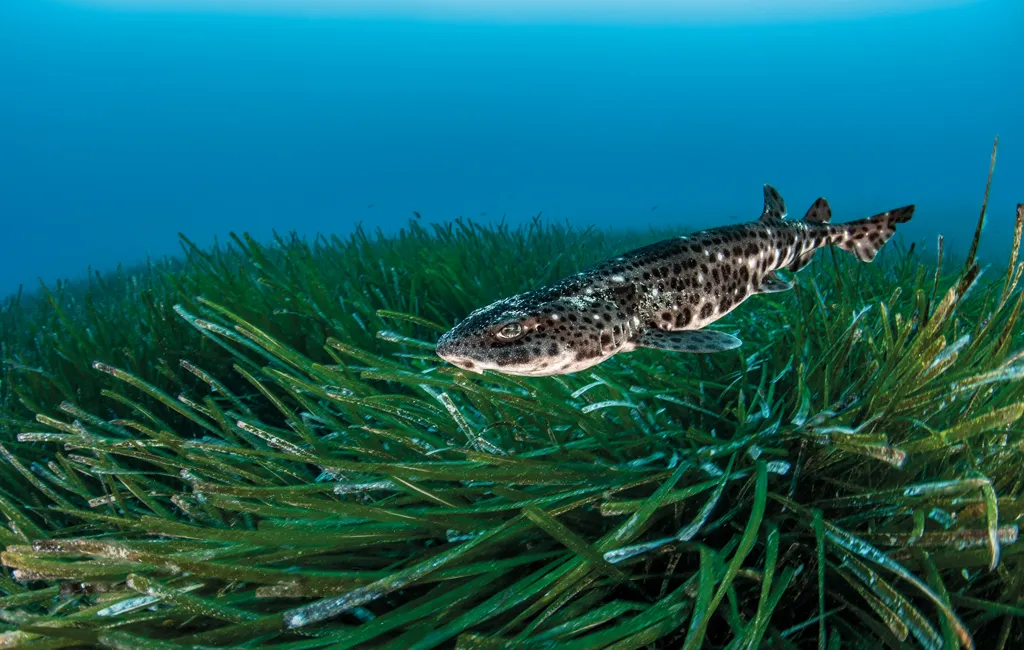
The Posidonia Seagrass Bed
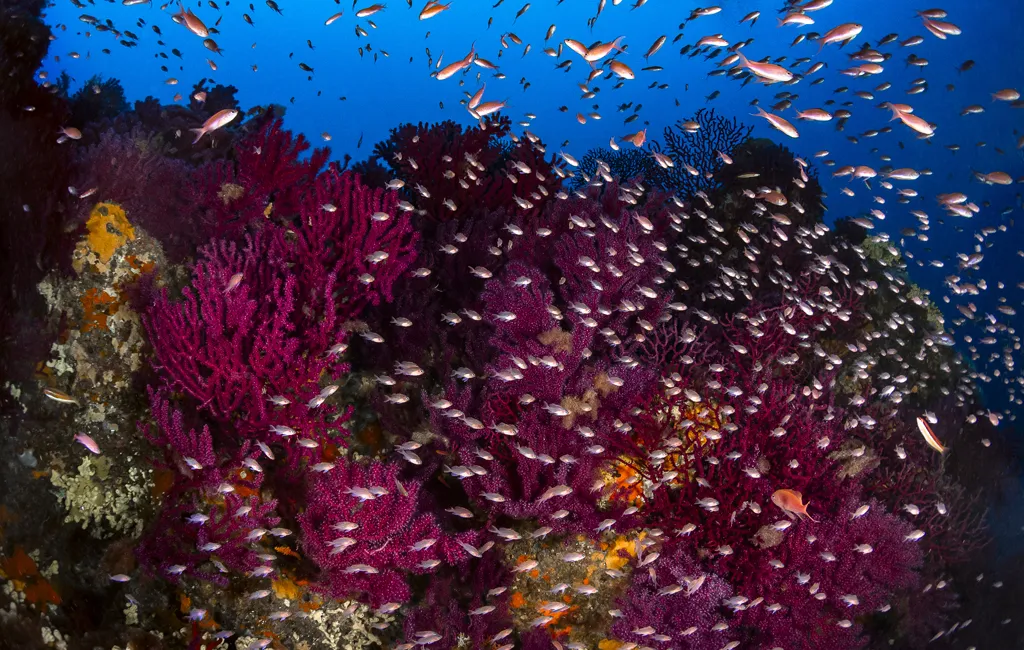
The coralligenous

High Water
Anthropogenic pressures
While the Mediterranean is a treasure trove of biodiversity, it is also one of the most threatened seas in the world. As a semi-enclosed sea that is densely populated and heavily exploited, it bears the brunt of the consequences of human activities and climate change.
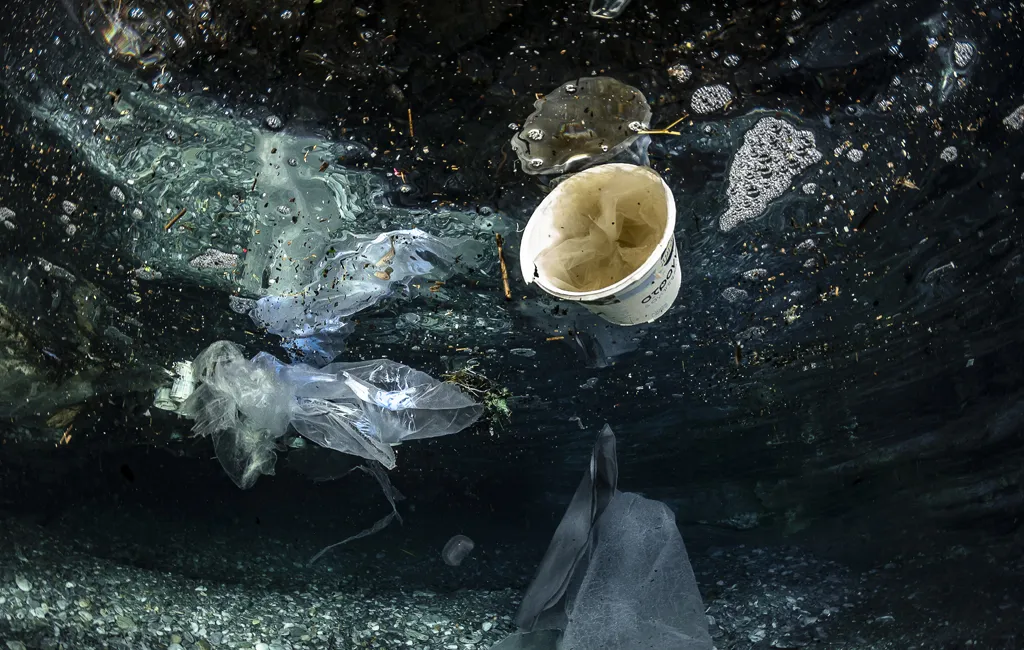
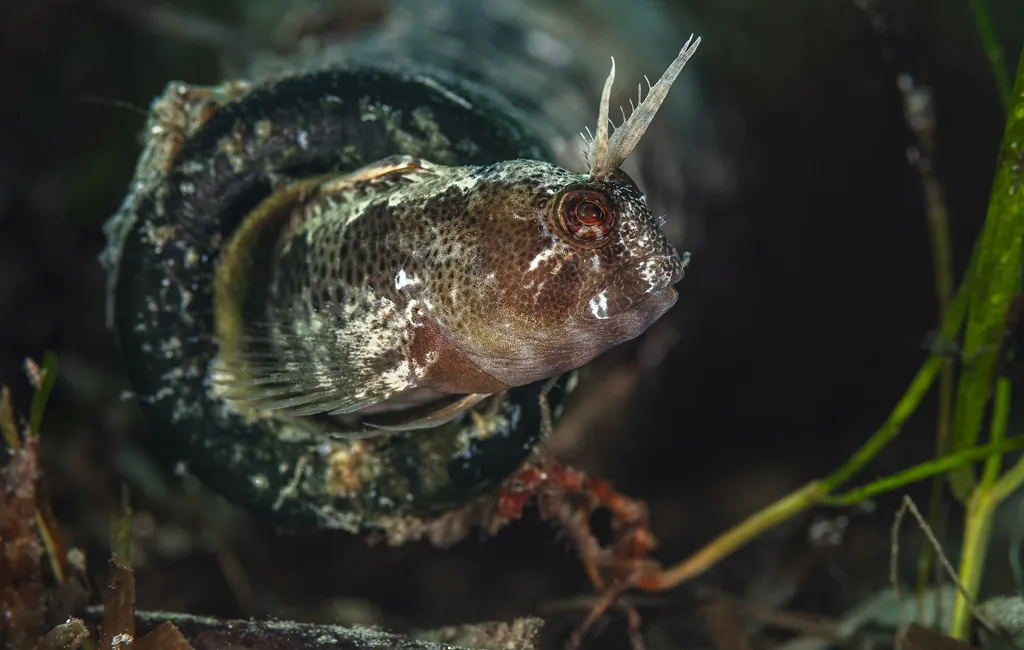
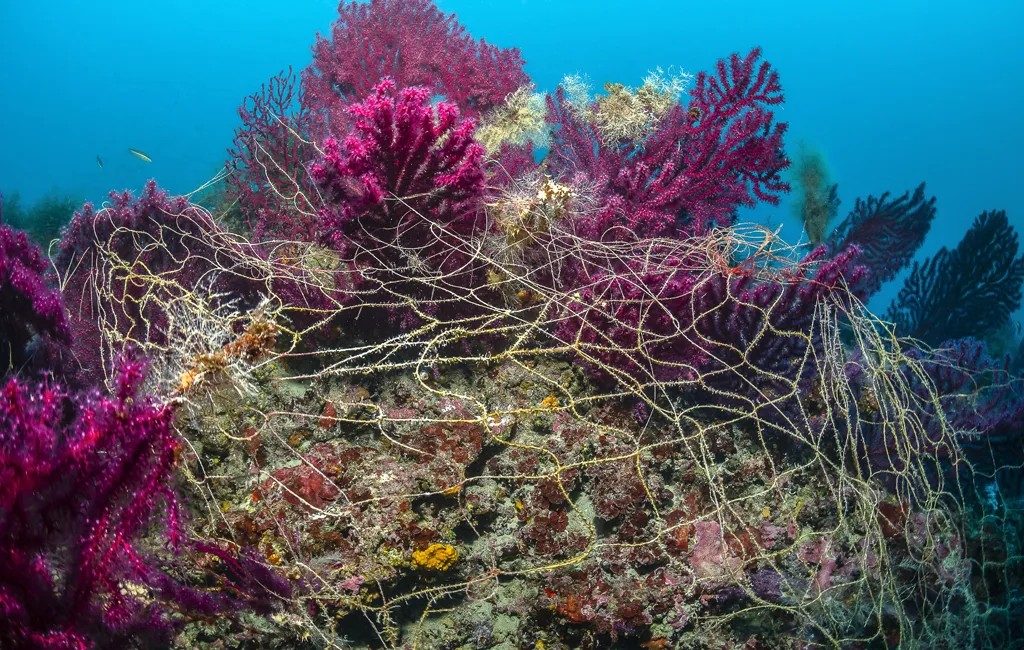
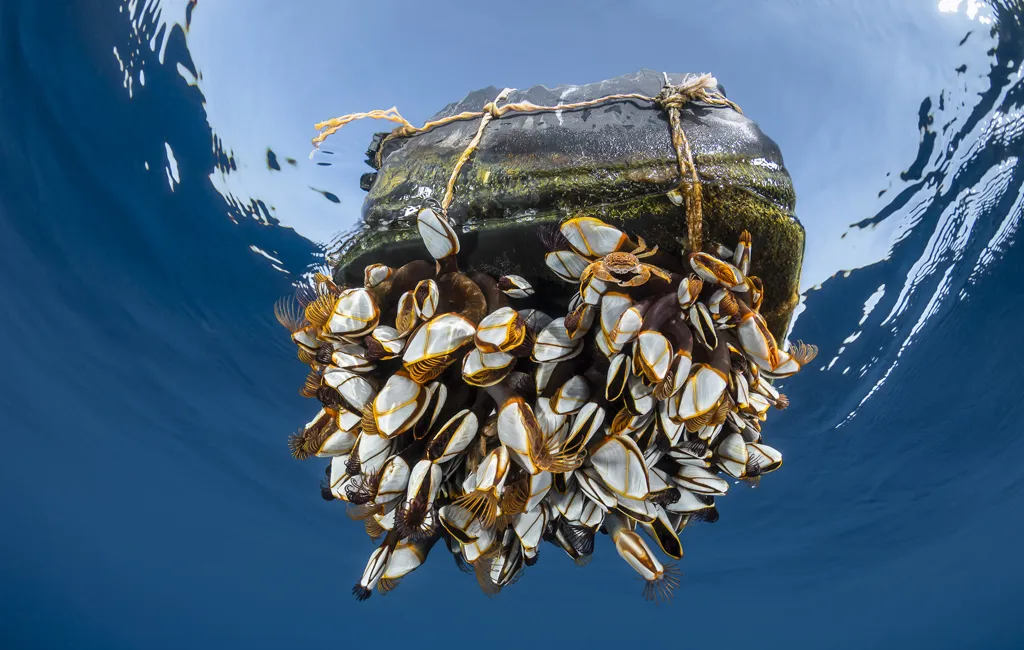
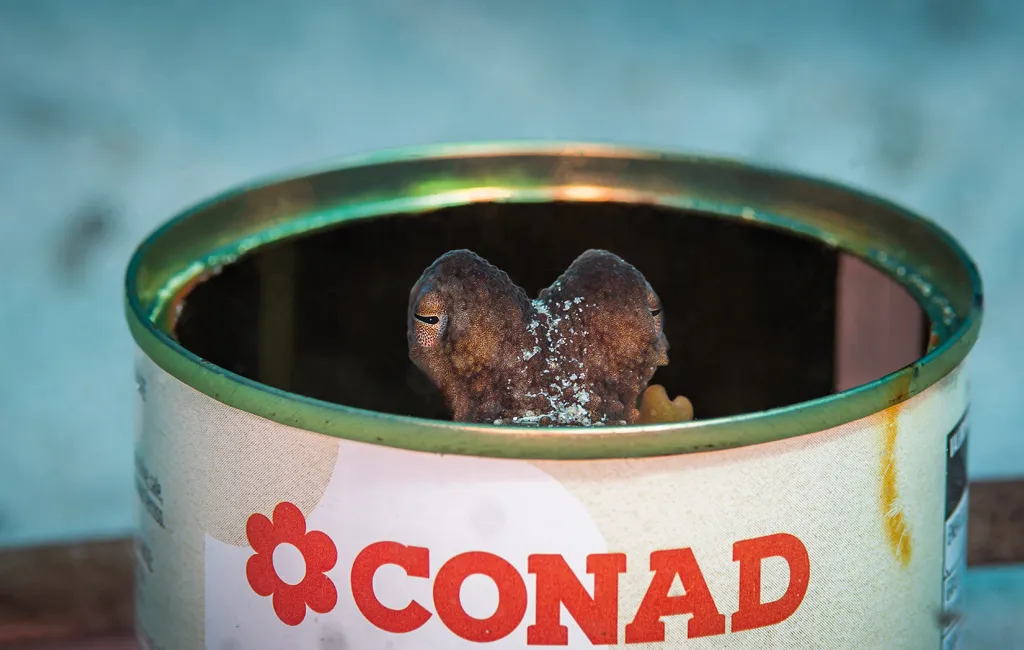
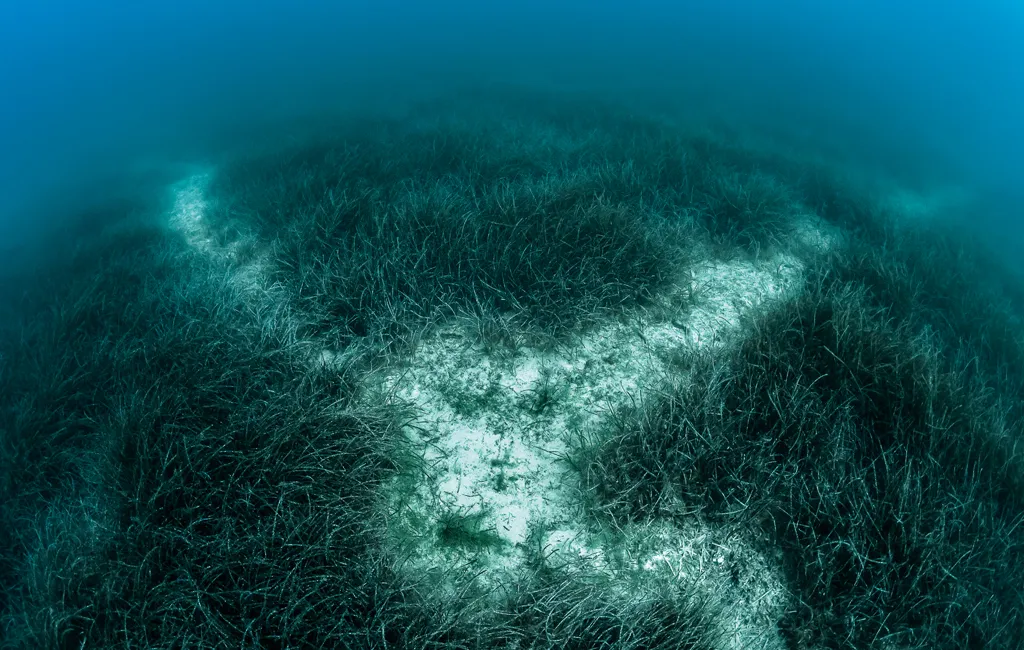
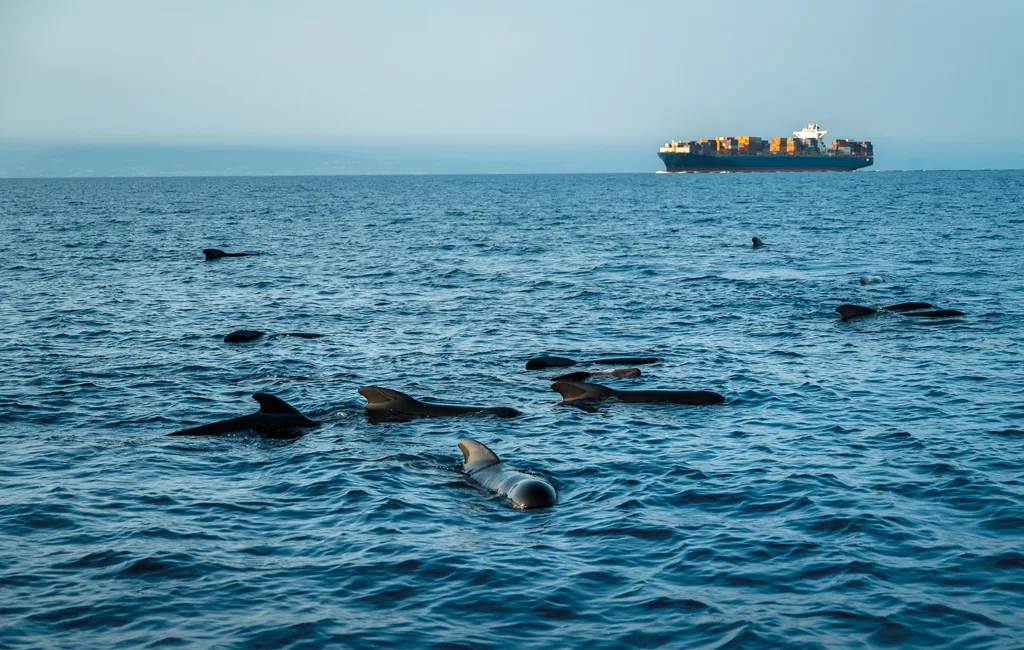
Plastic pollution, urban, industrial, and agricultural runoff, overfishing, maritime traffic, coastal development… These human-induced pressures are making marine and coastal ecosystems increasingly vulnerable every day. Essential habitats, such as Posidonia seagrass beds, coral reefs, and spawning grounds, are being degraded or destroyed.
Added to this is a silent but global threat: global warming.
The Mediterranean is warming 20% faster than the global average, causing marine heatwaves, species migrations, the extinction of sensitive species, and the proliferation of invasive organisms. Ocean acidification, caused by the absorption of CO₂, is also disrupting the formation of shells and coral skeletons, as well as the overall balance of marine life.
These upheavals threaten not only a balance that has existed for millennia, but also the resources on which human societies depend: fishing, tourism, the coastal climate, water quality, and more. In the face of these challenges, it is urgent that we learn, understand, and take action.
500 million
8 to 12 million
360 million
Visitors per year: The world’s top tourist destination
80%
30%
30% of global maritime traffic
3/4
Protecting Biodiversity: Actions That Are Paying Off
Just as with an illness, we must treat the root cause of the problem. And the source of the problem is us: humans. Too often, we act as a dominant species, superior to other forms of life, instead of living in harmony and with respect.
We all share some responsibility, but we also have the power to take action. If everyone were to reflect on their own impact and adopt simple, thoughtful habits in their daily lives, these small steps, when added up, would make a huge difference. Rethinking our consumption and travel habits in a rational and logical way is an essential step.
We don’t hear much about it, and yet, for several decades now, numerous efforts and initiatives have been launched to preserve biodiversity. And the good news is that they’re working!
Here are a few inspiring examples:
- Establishment of marine protected areas, which provide essential refuge for endangered species and promote the recovery of ecosystems.
- Habitat restoration programs, such as seagrass bed replanting or coral reef protection.
- Improvements to wastewater treatment plants, which reduce marine pollution and protect vulnerable marine organisms.
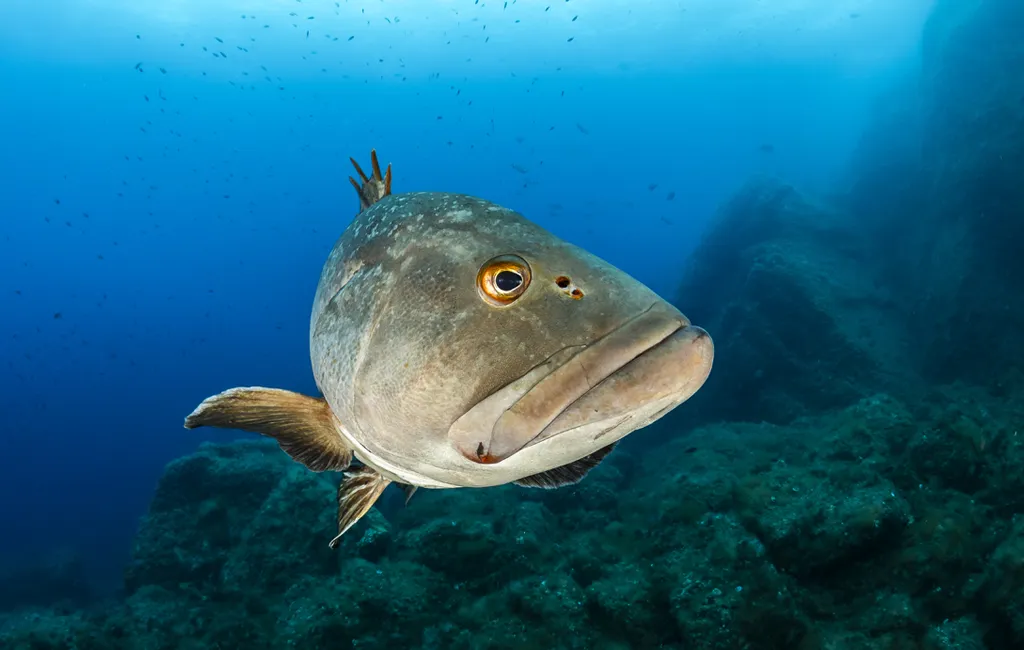
- Moratoriums on certain iconic species, such as grouper and corb, allowing their populations to recover.
- A ban on approaching cetaceans within 100 meters in French Marine Protected Areas, to limit disturbance and promote their peace and quiet.
- Fishing quotas for bluefin tuna, whose populations are recovering thanks to improved management.
- Ban on drift nets, which are responsible for numerous bycatch incidents.
- Reducing plastic and pollutants through regulations and local citizen initiatives.
- Citizen and community engagement, which gives everyone the opportunity to get involved, stay informed, and take action at their own level.
These initiatives demonstrate that when collective will is expressed, nature responds. Marine ecosystems, even when weakened, possess an extraordinary capacity for resilience: species return, habitats regenerate, and biodiversity is restored. This proves that by changing our behavior and implementing appropriate protective measures, it is possible to reverse the trend and restore the ocean to the place it deserves: that of a living, rich world that is essential to our future.
Protecting biodiversity means protecting the future of all species, including our own.
Marine Protected Areas: A Valuable Tool for the Mediterranean Sea
In the Mediterranean Sea, marine protected areas (MPAs) are among the most effective tools for preserving biodiversity and restoring ecosystems. These marine areas, where human activities are regulated, play a crucial role in species conservation and the regeneration of marine habitats.
When they are well-designed and effectively managed, they allow species to reproduce, habitats to regenerate, and fish stocks to recover. Their role is not limited to protection: MPAs have a beneficial impact far beyond their boundaries by promoting the resilience of the oceans in the face of human pressures and climate change. They are therefore essential for ensuring a balance between human activities and respect for life, offering a sustainable future for generations to come.
For marine protected areas to fulfill their role fully, it is essential that they be well managed and that their conservation status be strengthened.
There is also an urgent need to establish new MPAs in order to cover more sensitive areas and ensure the resilience of marine ecosystems in the face of human pressures and climate change.
Protecting and expanding these marine areas is a crucial step toward ensuring a sustainable future for the Mediterranean Sea and all the species that live there.
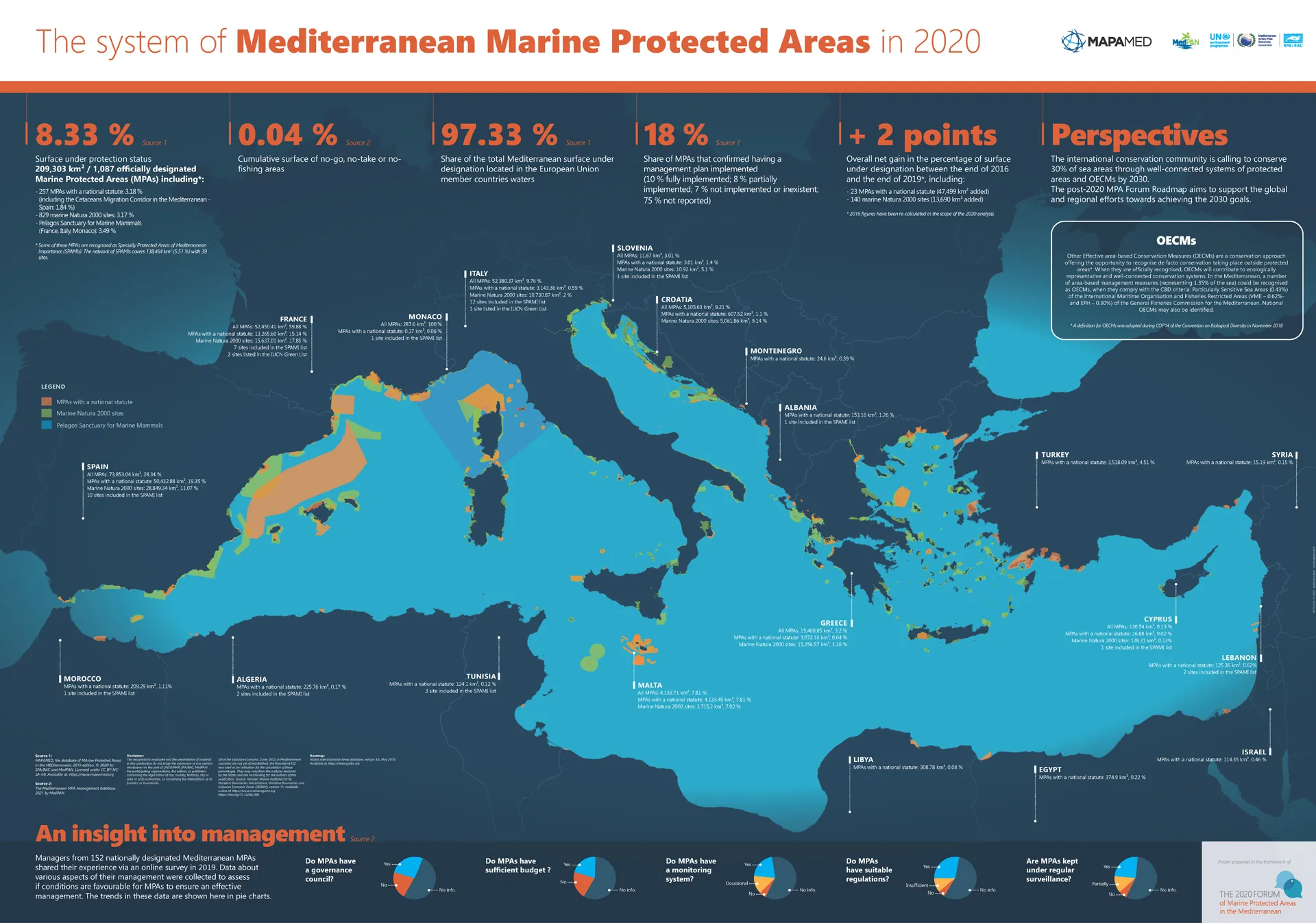
8,33%
0,04 %
0.04% is subject to strict protection, which underscores the importance of effective management.
The Pelagos Sanctuary
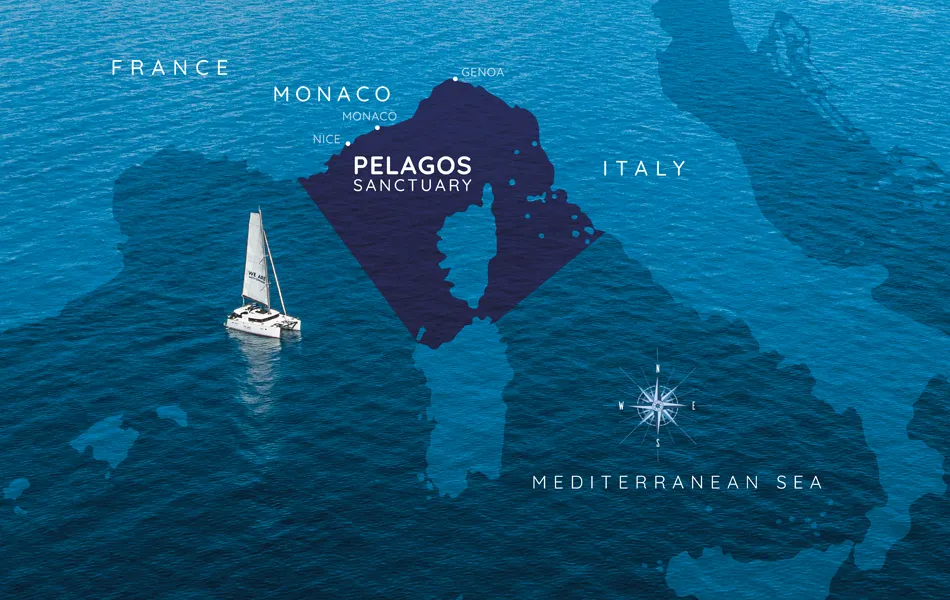
A haven of life in the Mediterranean Sea, the Pelagos Sanctuary is a vast marine protected area created through an agreement between three countries, all sharing the common goal of protecting marine mammals and their fragile ecosystem.
French Mediterranean waters are remarkable compared to the rest of the Mediterranean basin. Indeed, among the diverse current dynamics present in offshore waters, those characterizing the northwestern Mediterranean give rise to high primary productivity—in other words, plankton. Unlike the rest of the Mediterranean, this area experiences a massive spring phytoplankton bloom offshore, extending from western Italy to Catalan waters (d’Ortenzio & d’Alcalà, 2009). This abundance of plankton, which forms the basis of the food chain, thus creates a pelagic habitat conducive to a large number of species, particularly cetaceans. In fact, it was the observation of this biological richness that led to the creation of the Pelagos Sanctuary.
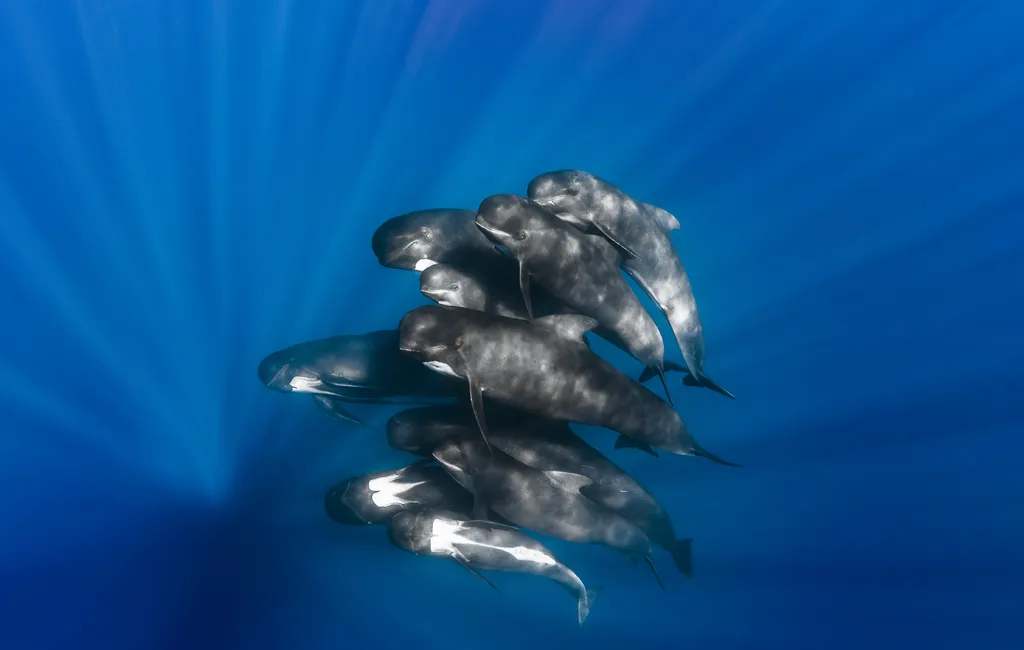
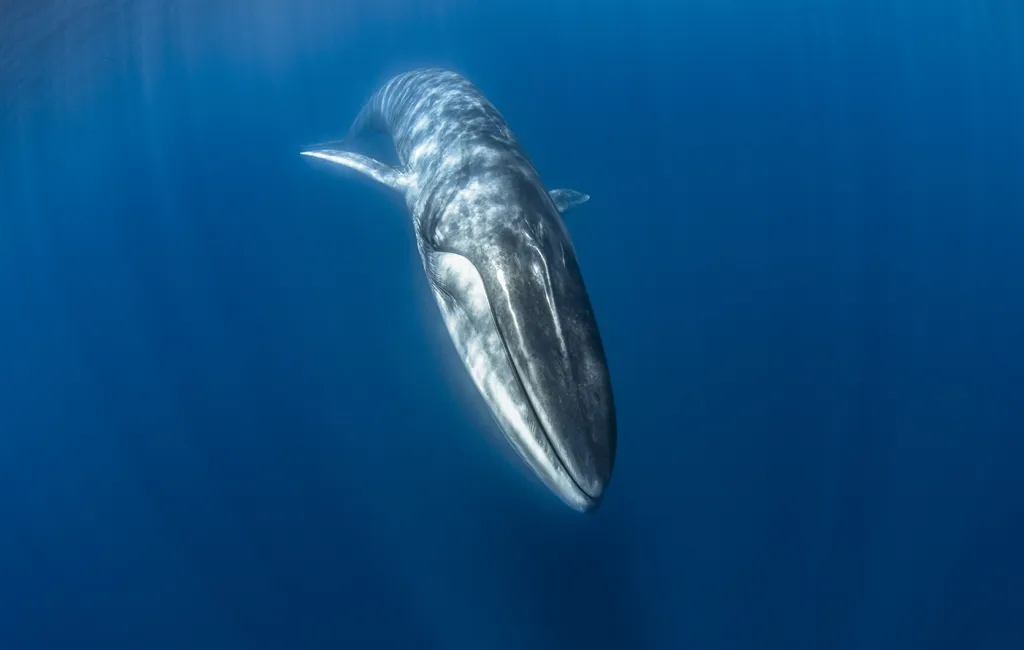
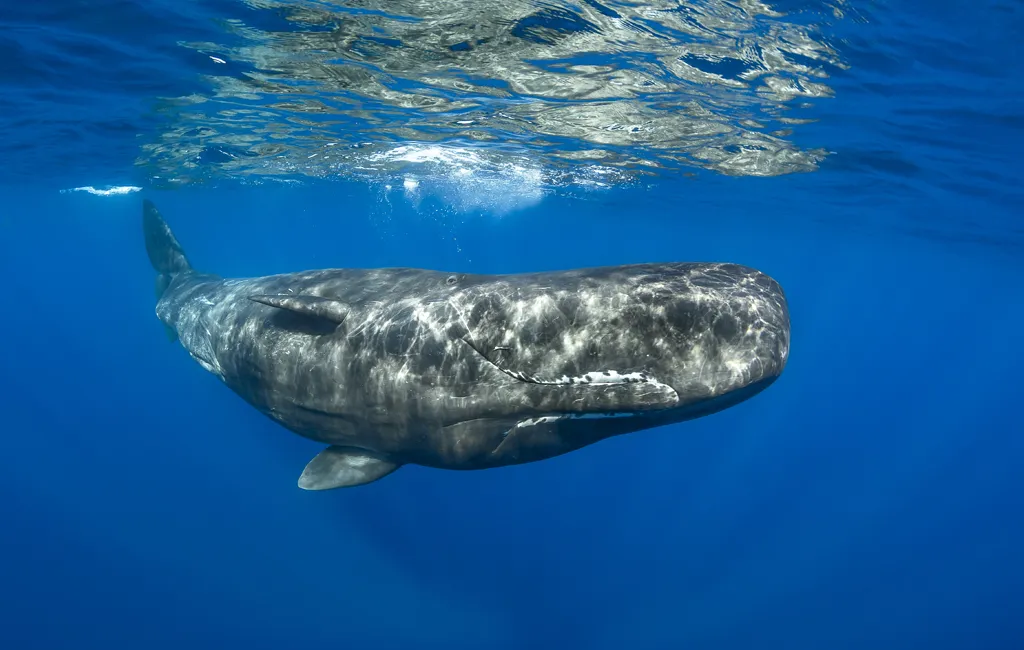
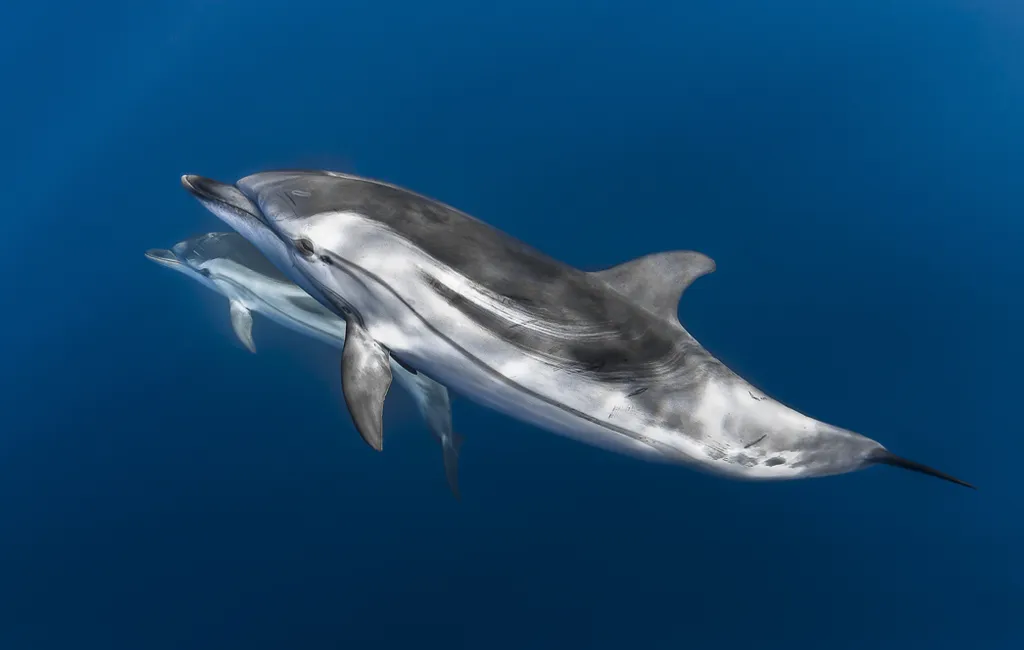
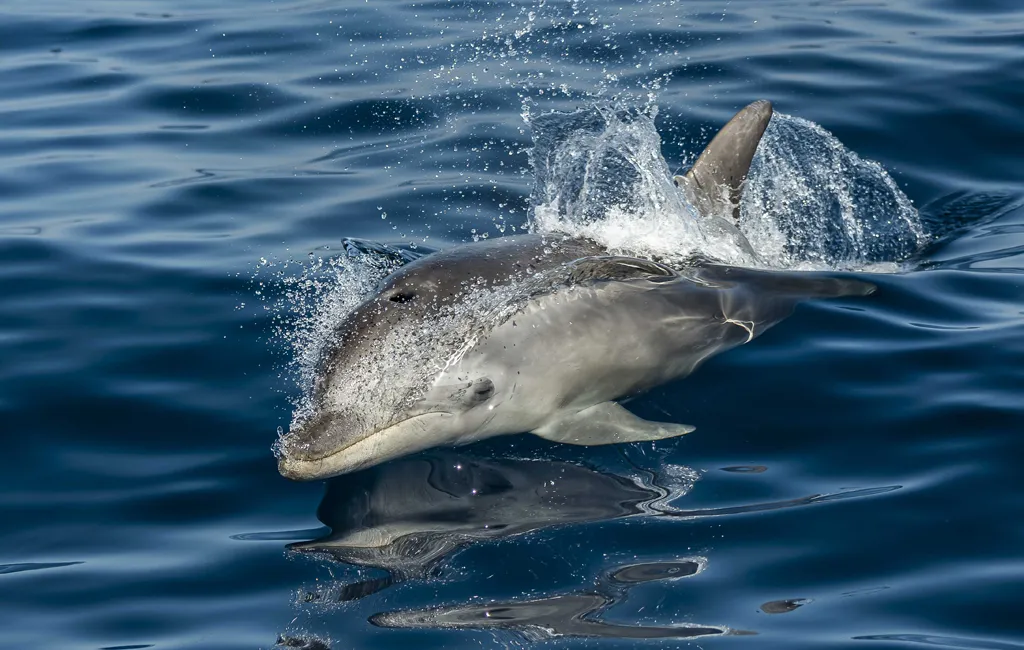
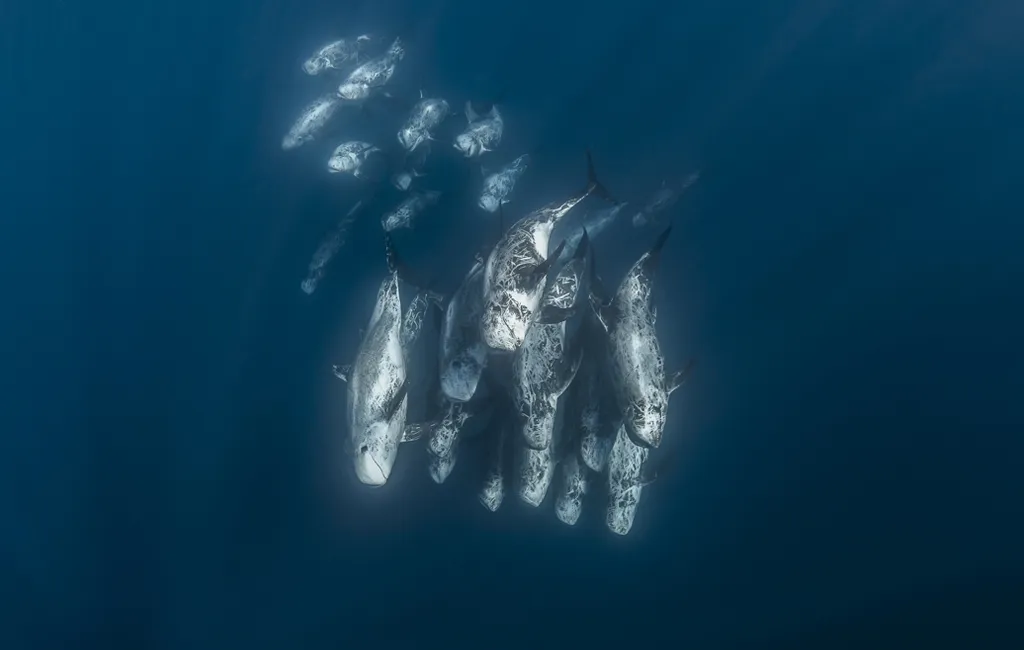
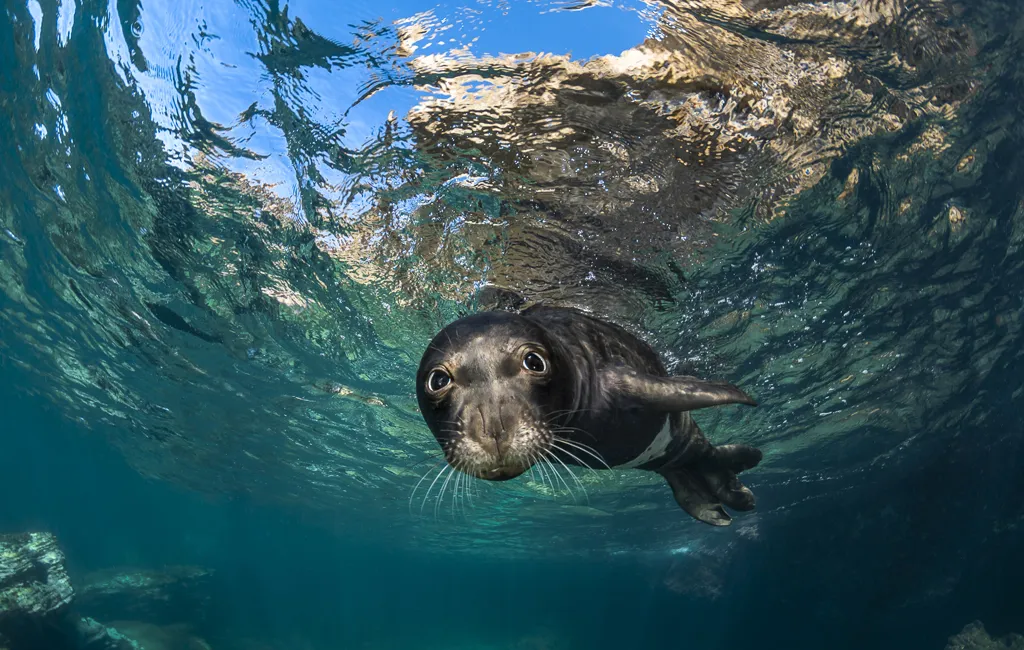
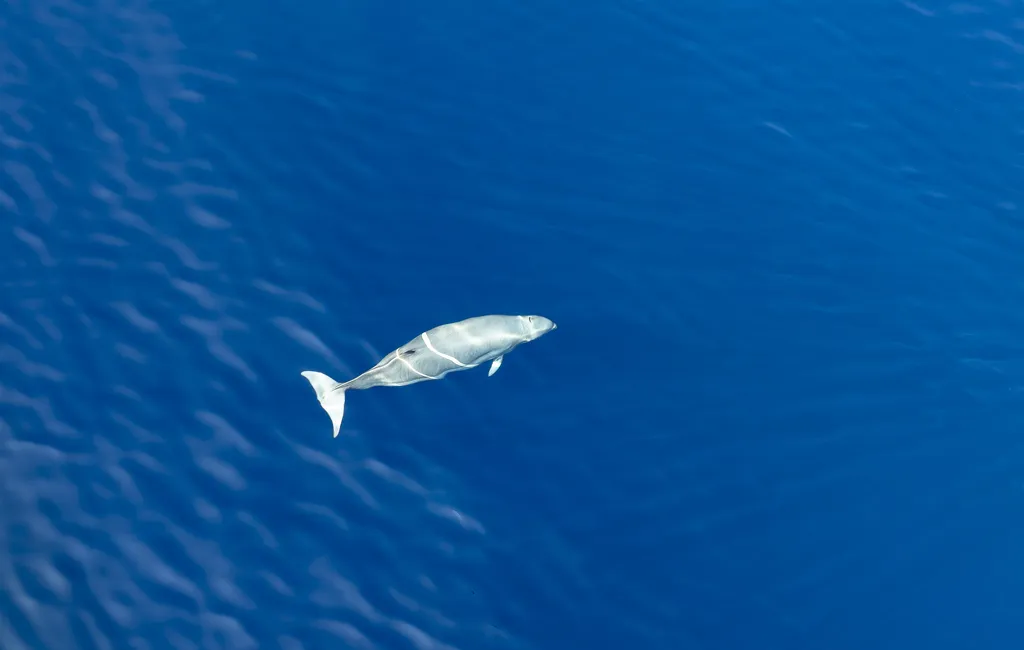
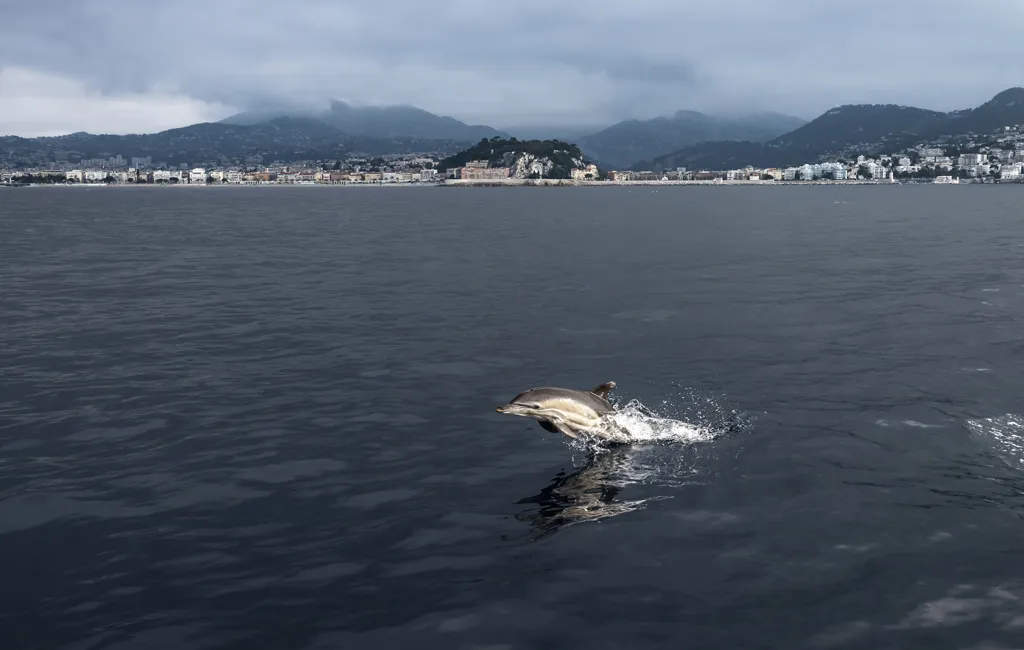
Covering 87,500 km², the Pelagos Sanctuary is the result of an agreement between France, Italy, and the Principality of Monaco, committed to the conservation of marine mammals and their habitats. This vast triangle in the Mediterranean Sea, designated a Specially Protected Area of Mediterranean Importance (SPAMI), provides a refuge for eight species of cetaceans—from the blue-and-white dolphin to the majestic fin whale, the second-largest mammal in the world—as well as the rare Mediterranean monk seal.
This exceptionally rich ecosystem faces growing threats:
Pollution, plastic waste, noise pollution, bycatch, and collisions with ships are gradually undermining this balance a little more each day. Pelagos’s greatest challenge is to reconcile human activity with the natural world by devising sustainable solutions that enable human activities and marine biodiversity to coexist harmoniously.
Join us in taking action to protect the Mediterranean natural heritage together.
