Biodivmed
Biodivmed Mission
Uncovering Marine Biodiversity in a Drop of Water
Environmental DNA for a First-of-Its-Kind Map of Mediterranean Marine Biodiversity
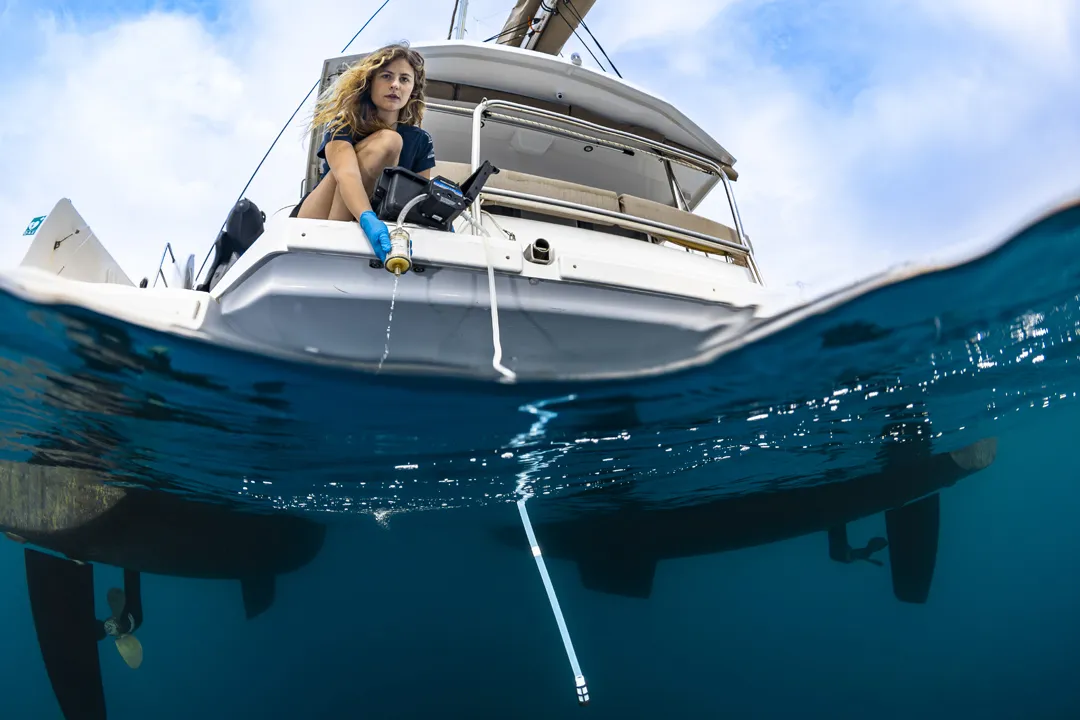
Imagine that the ocean is a huge crime scene… but instead of solving a crime, the goal is to discover who lives in these waters. Every animal leaves behind tiny traces: skin, mucus, scales, hair, or feces. These clues contain DNA, the unique genetic fingerprint of each species.
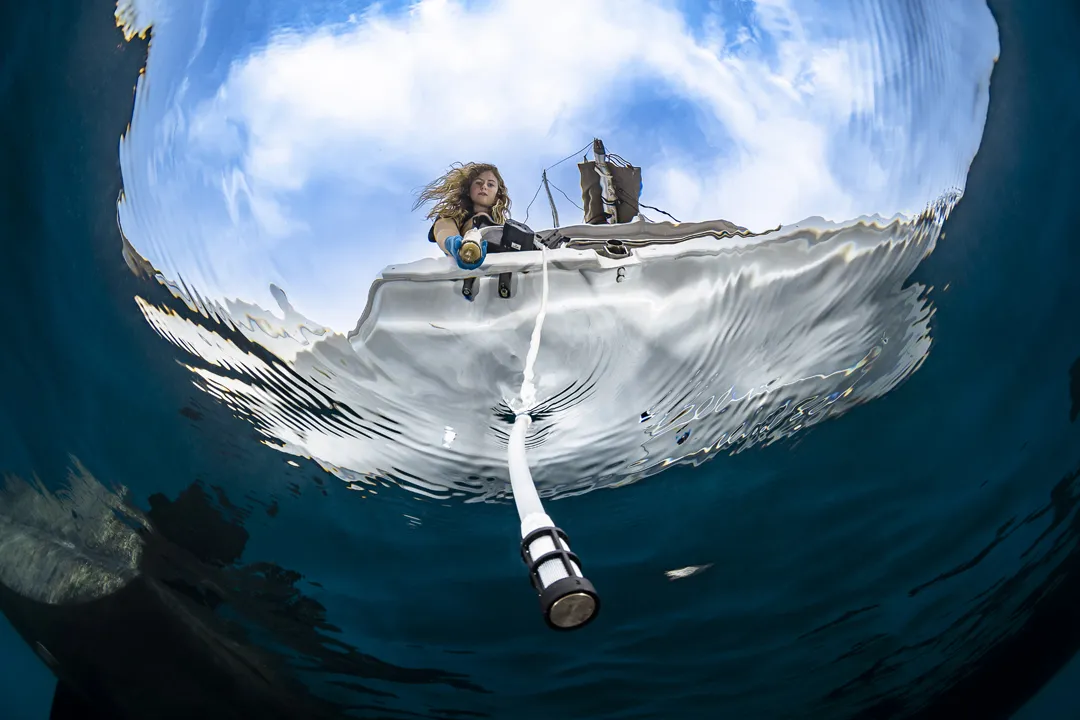
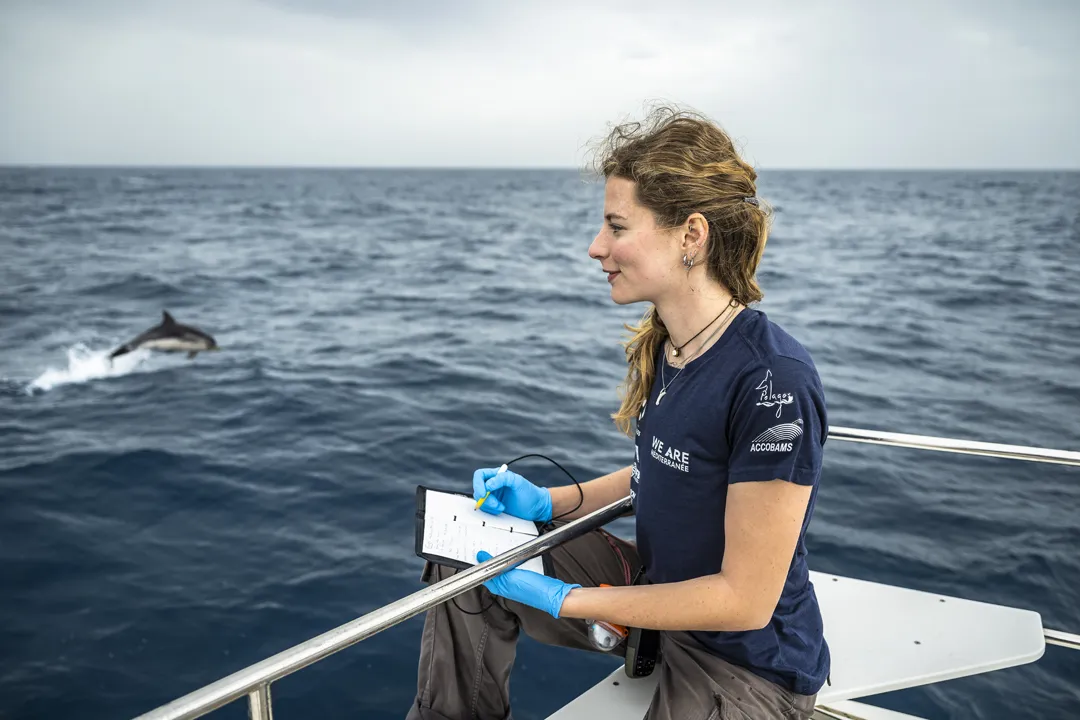
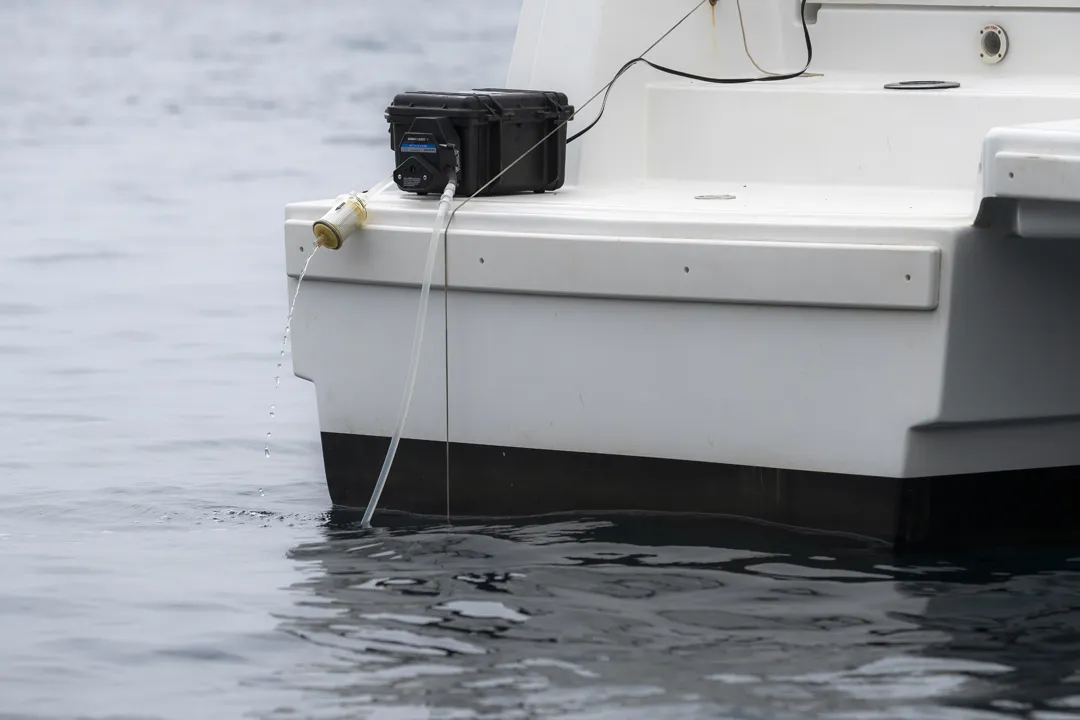
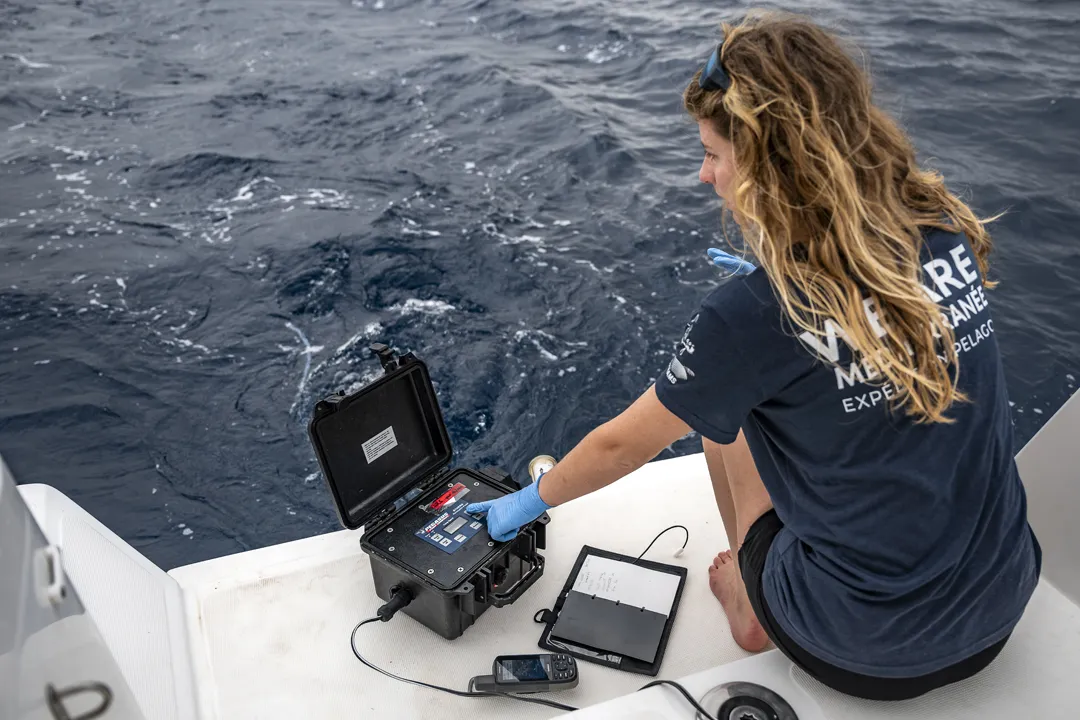
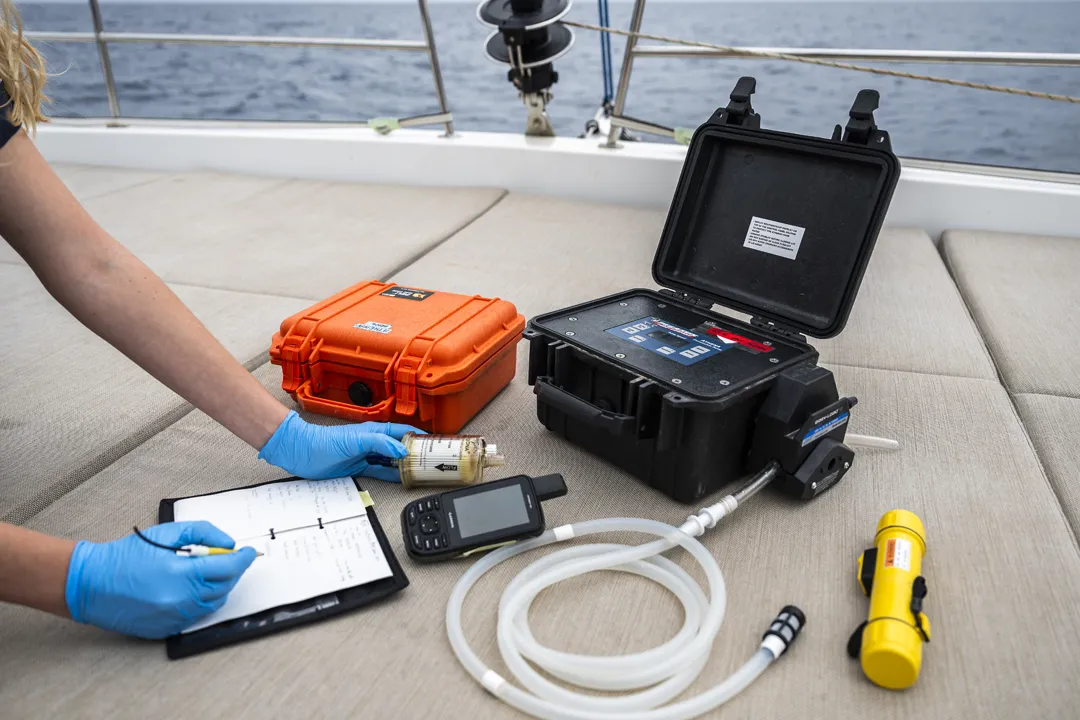
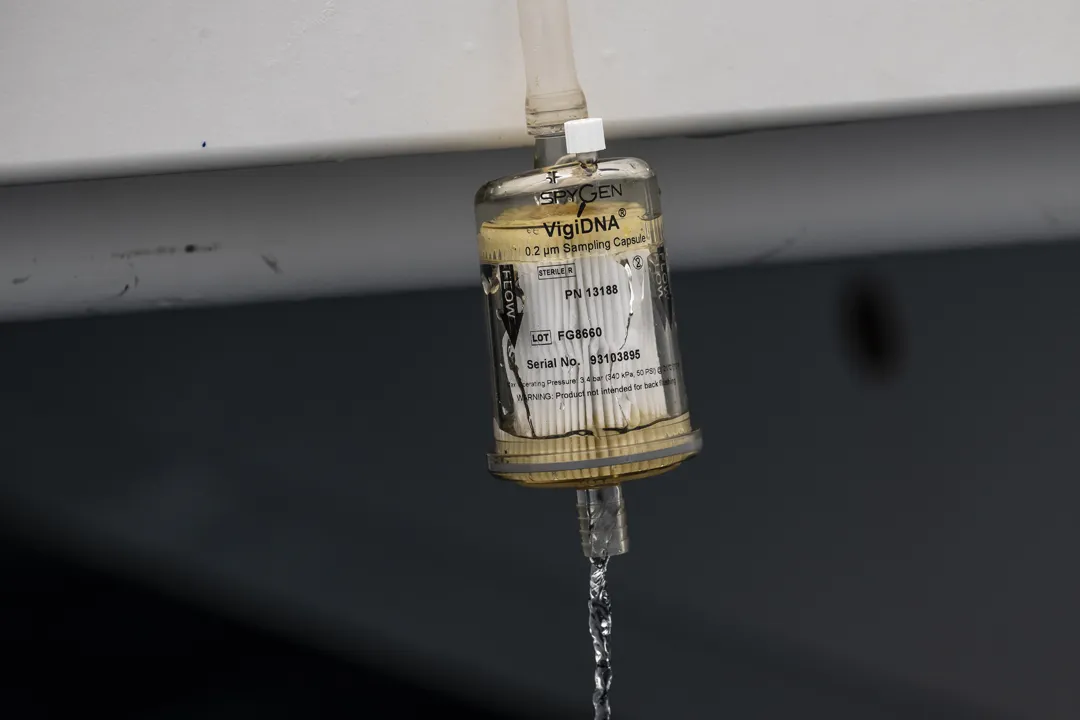
Just like in a police investigation, scientists collect these clues—in this case, seawater—and extract the DNA it contains. Using sophisticated laboratory techniques, they can identify the species present, even without ever having seen them. It’s like finding a suspect’s fingerprints: environmental DNA (eDNA) makes it possible to create a precise map of biodiversity. Marine mammals, fish, turtles, or microorganisms—each leaves an invisible yet detectable trace.
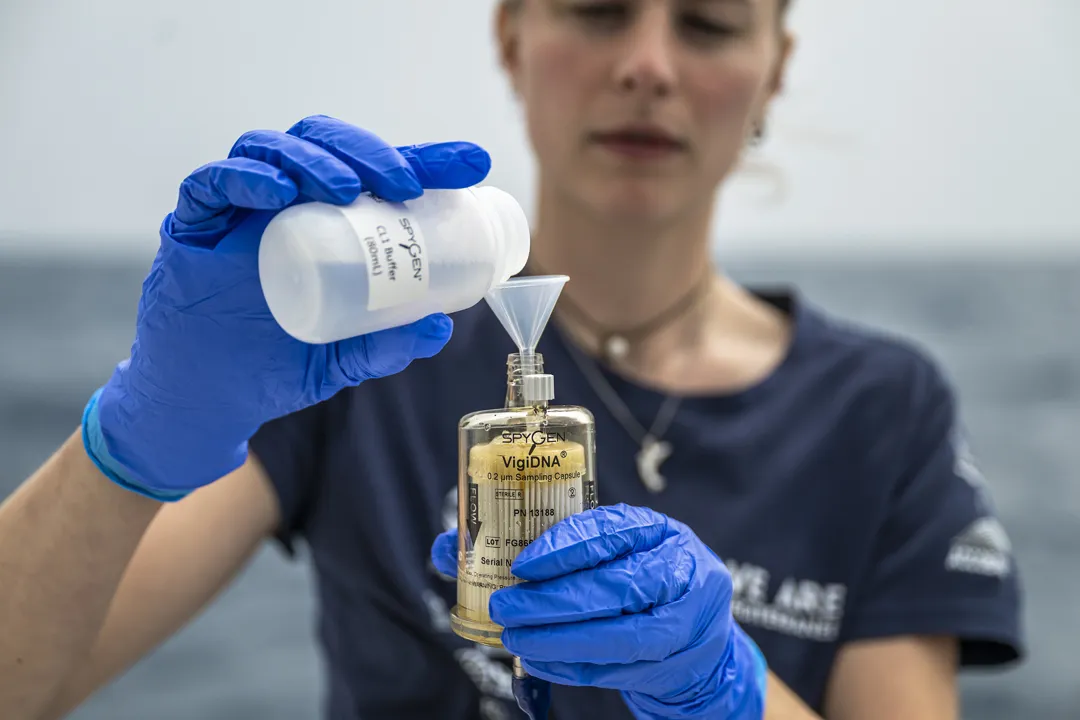
A gentle and promising technique
Traditionally, monitoring marine wildlife has relied on fishing, visual observation, or underwater cameras. These methods are often invasive and incomplete, overlooking certain species that are elusive, rare, or too small to be observed. DNA, on the other hand, makes it possible to detect all species within a given taxonomic group through metabarcoding, by analyzing DNA traces left in the water. These traces can persist for several hours, providing an accurate snapshot of marine life.
The BIODIVMED Mission
A world first
Since 2023, We Are Méditerranée has been actively participating in BIODIVMED, a major scientific program dedicated to the study and conservation of marine biodiversity in the Mediterranean. On board our catamaran, we conduct DNA filtration surveys, which allow us to identify even the most elusive species. This approach offers a unique glimpse into underwater life and guides conservation efforts.
Under the joint leadership ofthe Rhône-Méditerranée-Corse Water Agency,the University of Montpellier, and the MARBEC-SpyGen laboratory, the BIODIVMED mission conducted a synchronized and standardized inventory of biodiversity along the French coastline and within the Pelagos Sanctuary. This partnership also includes Andromède Océanologie, Vigilife, OceanoScientific, and We Are Méditerranée.
For the first time, marine biodiversity has been mapped in detail and simultaneously, from the coastal zone—lagoons, river mouths, and ports—to the Pelagos Sanctuary, located between Corsica and the mainland.
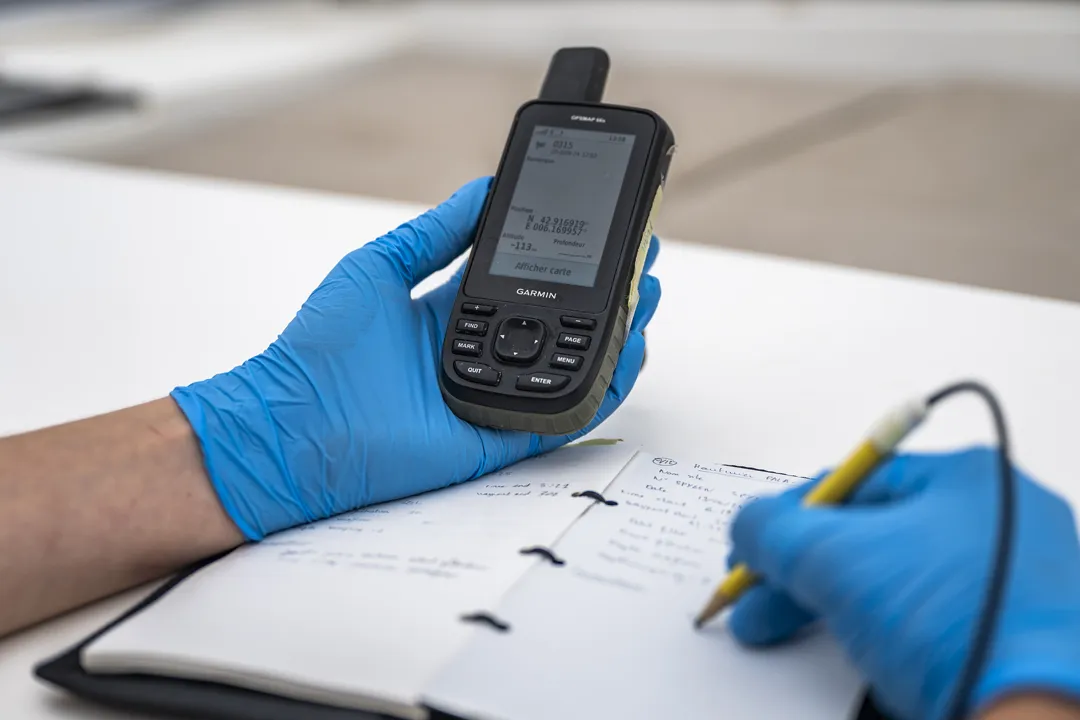
Promising results
Six months after the mission, the results are encouraging. Out of 700 DNA samples, 267 fish species were identified. Among them, the sea angel—which was thought to be extinct in the Mediterranean and is difficult to detect—was spotted on several occasions.
This survey is an invaluable resource for:
- Combating pollution;
- Establish new marine reserves;
- Promote sustainable coastal fishing.
The initiative is part of the National Biodiversity Strategy 2030 (SNB 2030) presented by the government in November 2023, and illustrates the positive impact of a groundbreaking partnership between public and private stakeholders for the preservation of the Mediterranean.
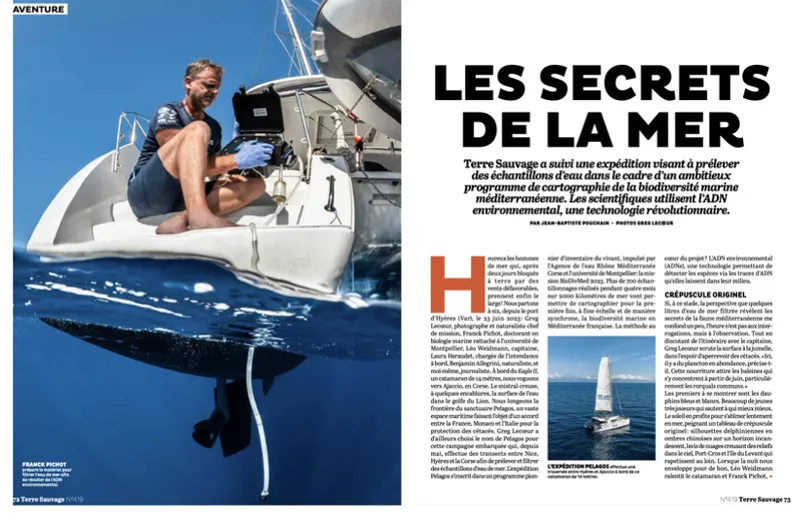
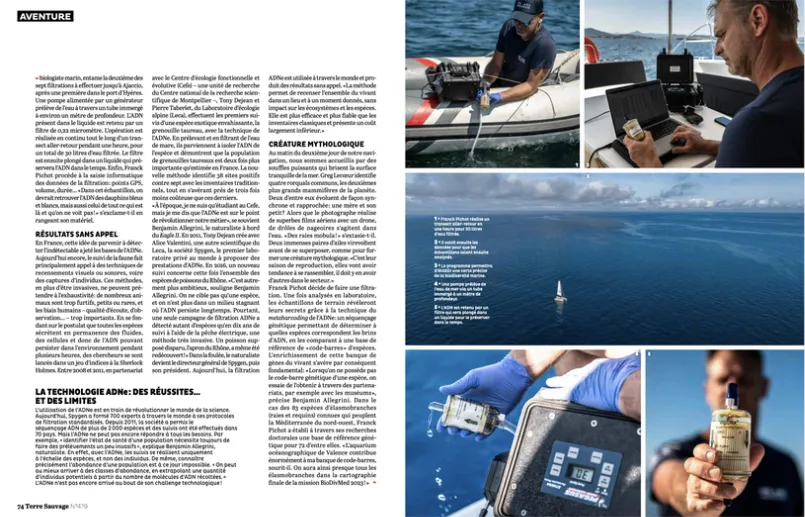
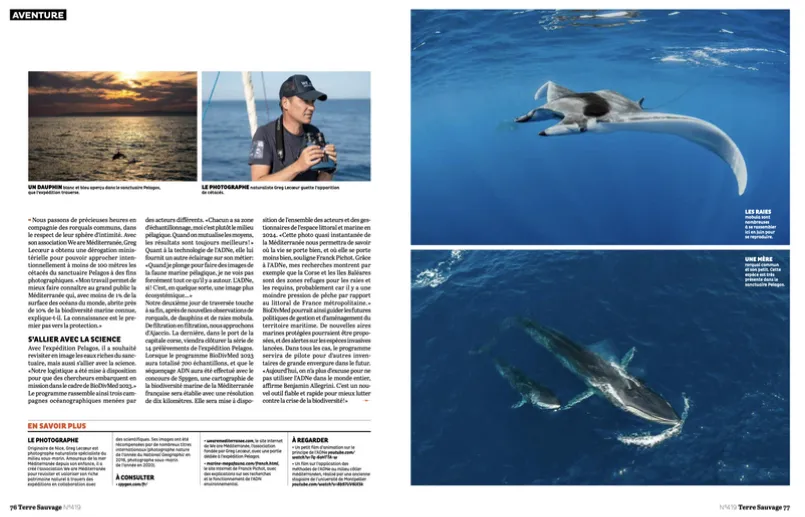
Feature article by “Terre Sauvage” magazine

In the heart of the Mediterranean Sea, our expeditions are dedicated to a single goal: to explore, document, and study the rich diversity of marine life.
Preserving biodiversity means protecting not only the Mediterranean Sea, but also the future of humanity.
