
Caouanne Mission
Caouanne Mission: Protecting Sea Turtles in Zakynthos
Every year during the summer, the Greek island of Zakynthos becomes a refuge for hundreds of loggerhead sea turtles (Caretta caretta). Its fine sandy beaches provide an exceptional nesting site, where female turtles come to mate and lay their eggs, continuing a life cycle that dates back millions of years.
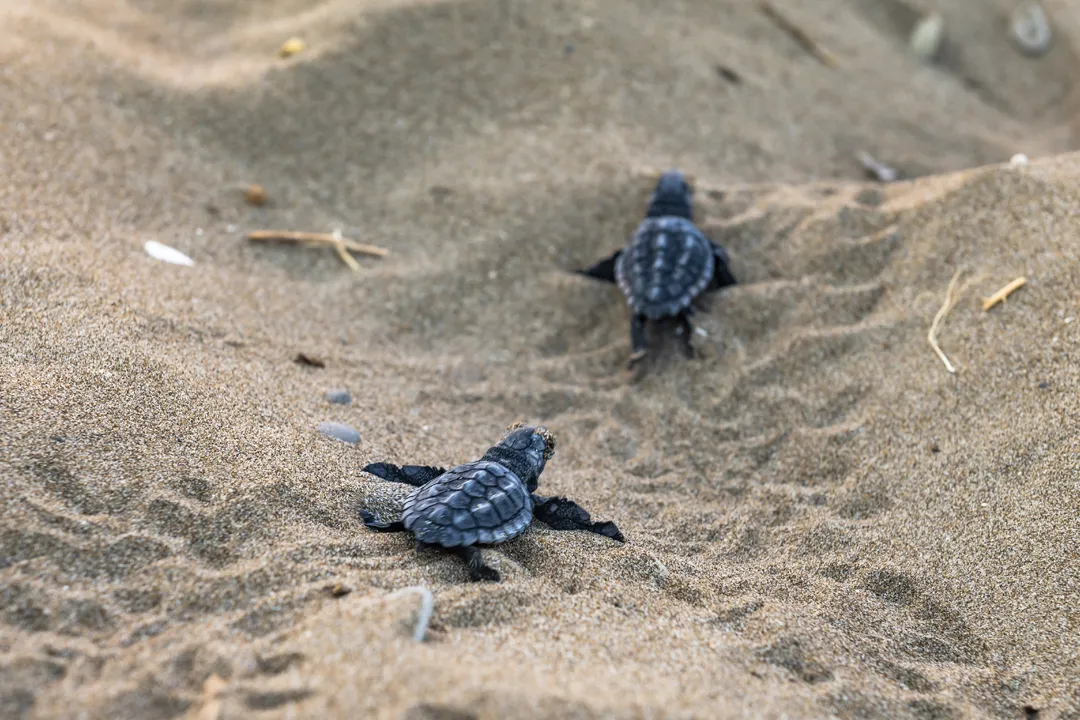
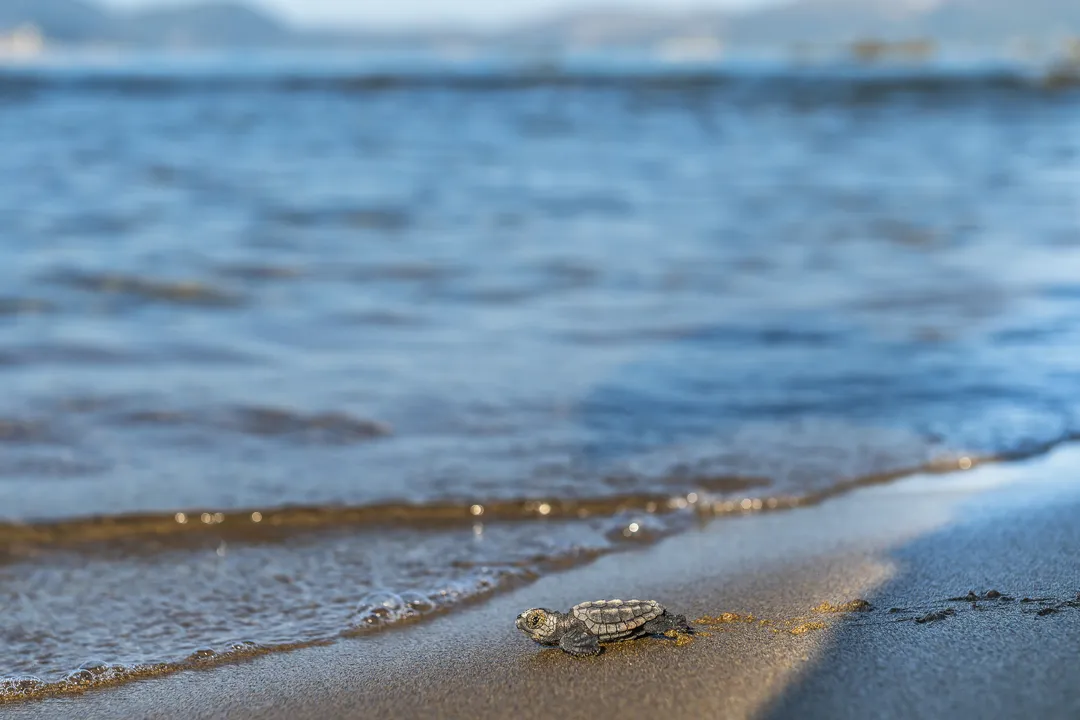
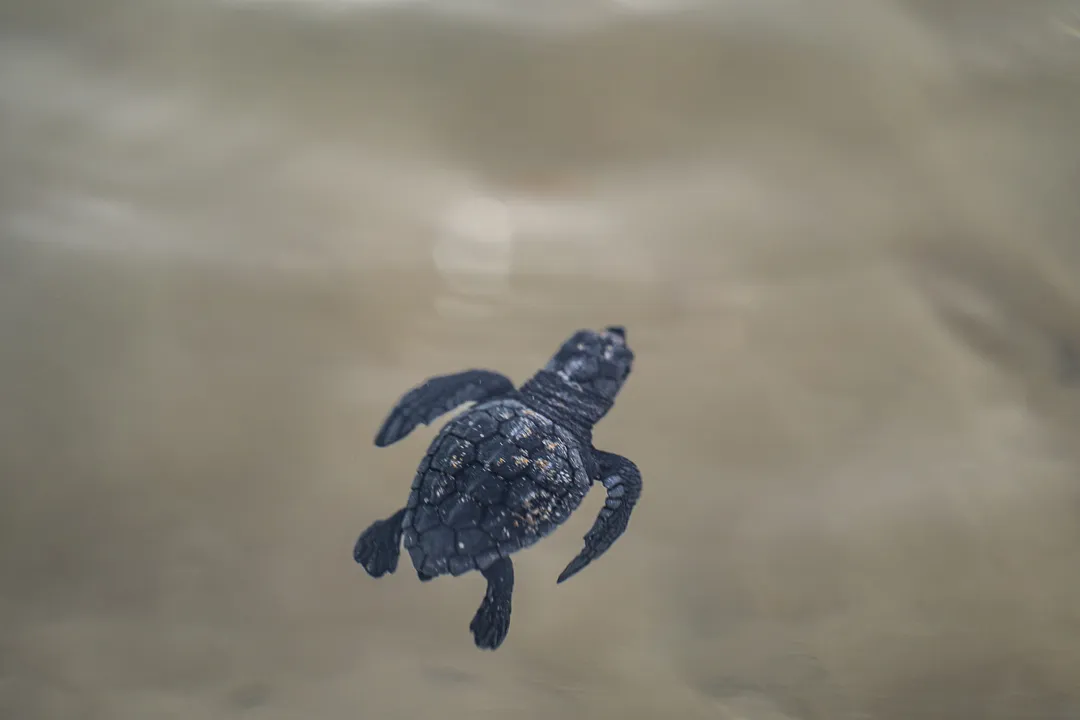
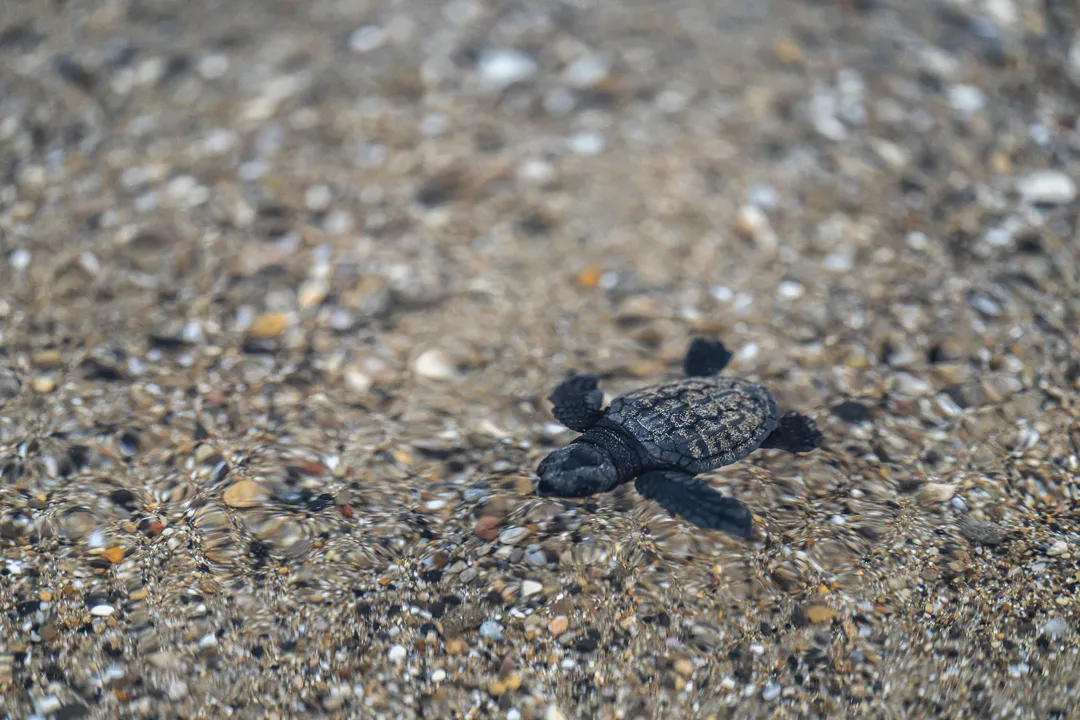
Loggerhead sea turtles follow a fascinating migratory path: after hatching, the hatchlings make their way to the sea and can travel thousands of kilometers across the Mediterranean Sea and the Atlantic Ocean before returning, several years later, to their native beach to lay their own eggs. This behavior, known as philopathy, ensures the species’ survival.
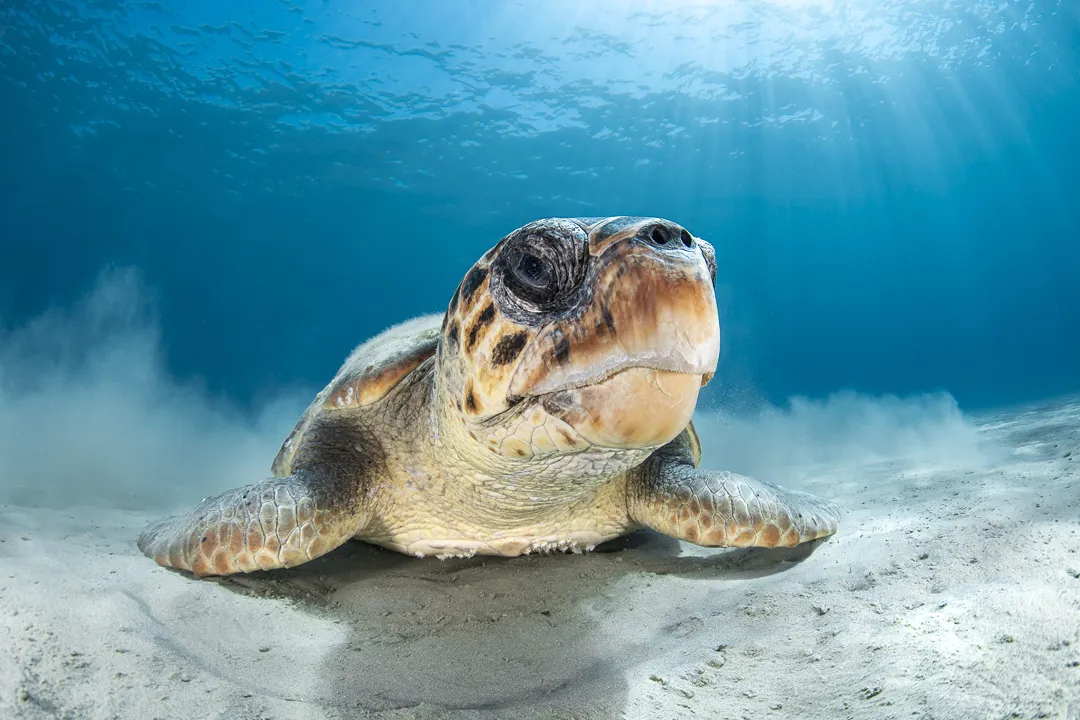
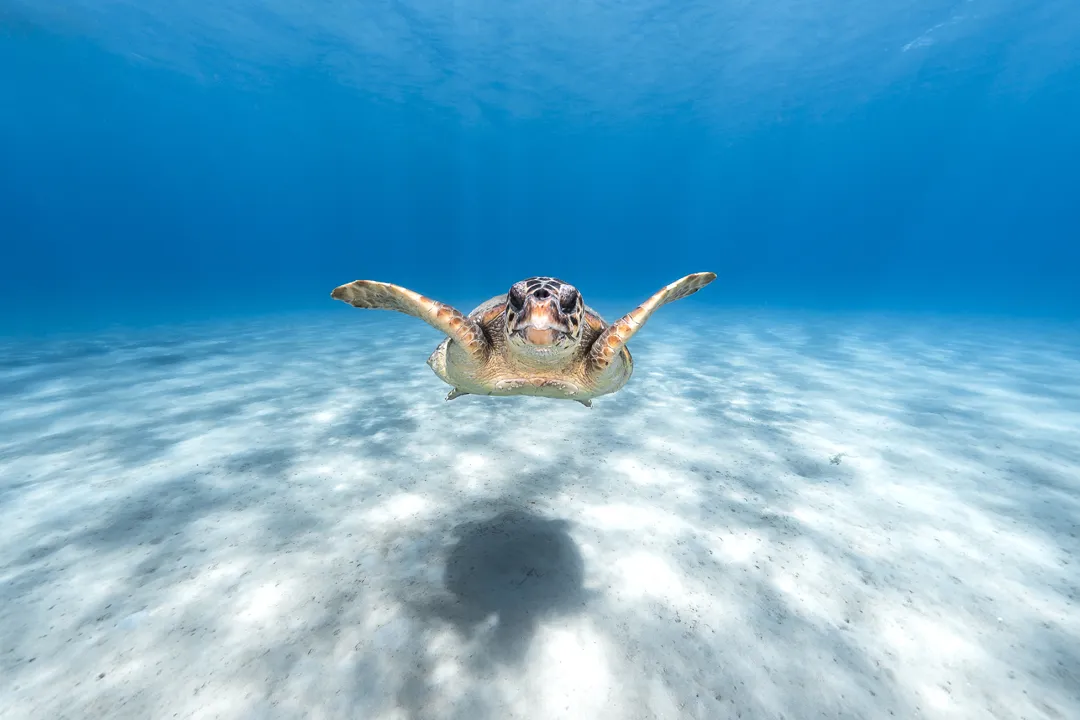
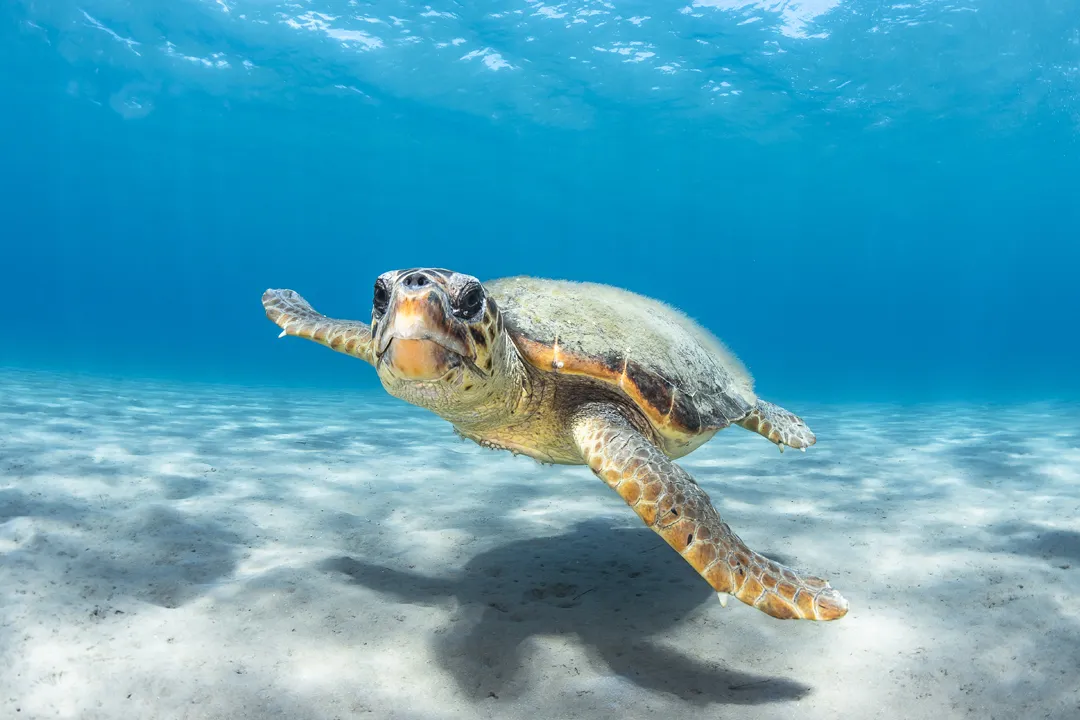
Zakynthos, the Mediterranean’s “Turtle Island”
A Natural Treasure Under High Pressure
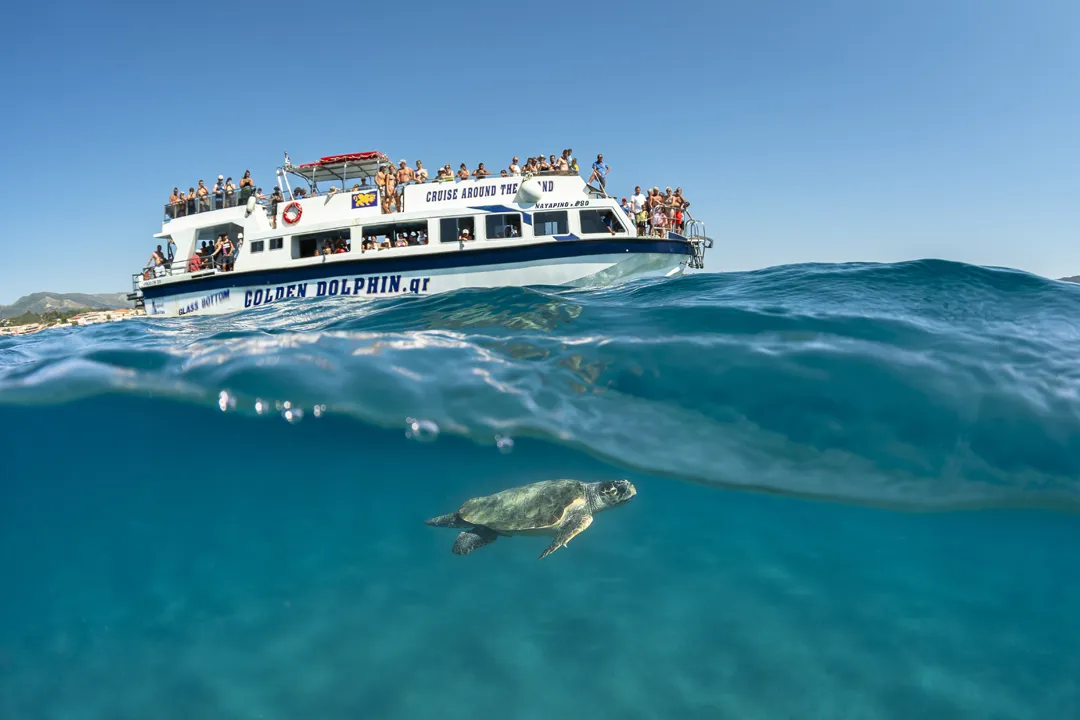
Famous for its lively beaches, bars, and endless nights, Zakynthos attracts thousands of tourists every summer who come in search of sun and parties. This mass tourism has made the island a must-visit destination for “spring breakers” in the Mediterranean.
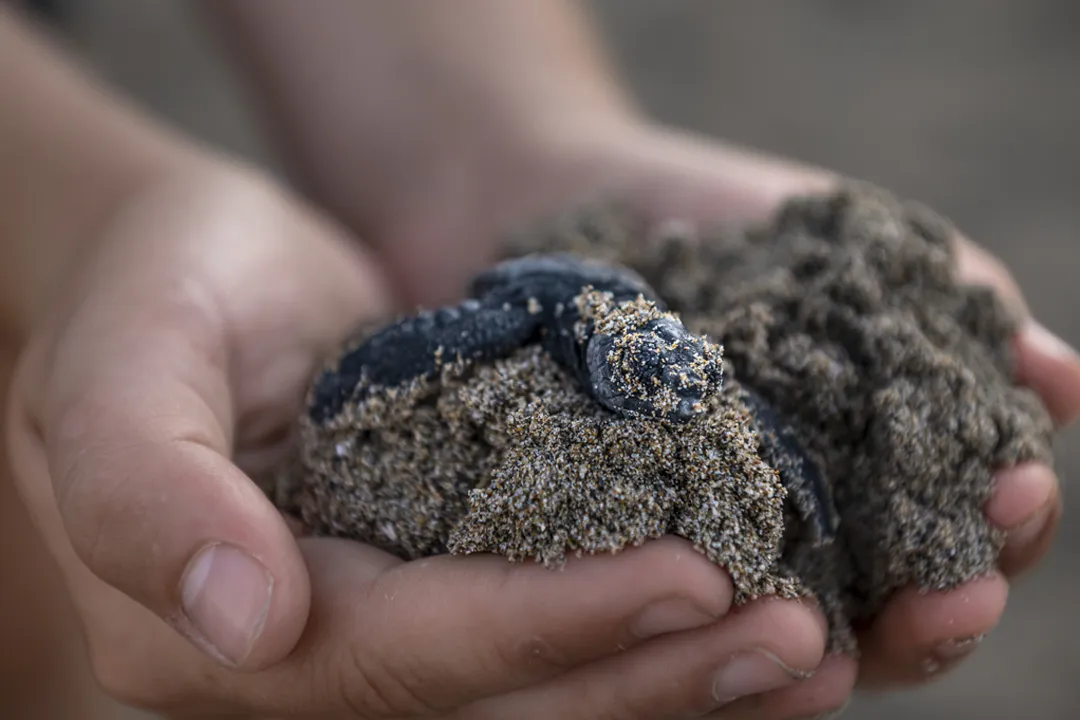
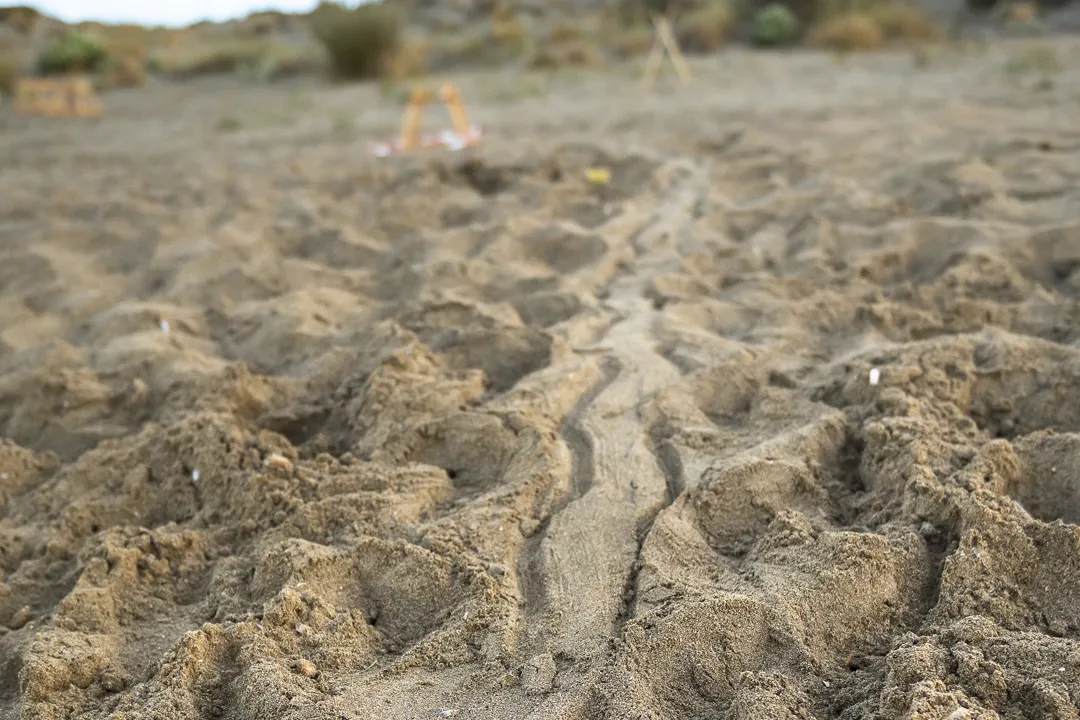
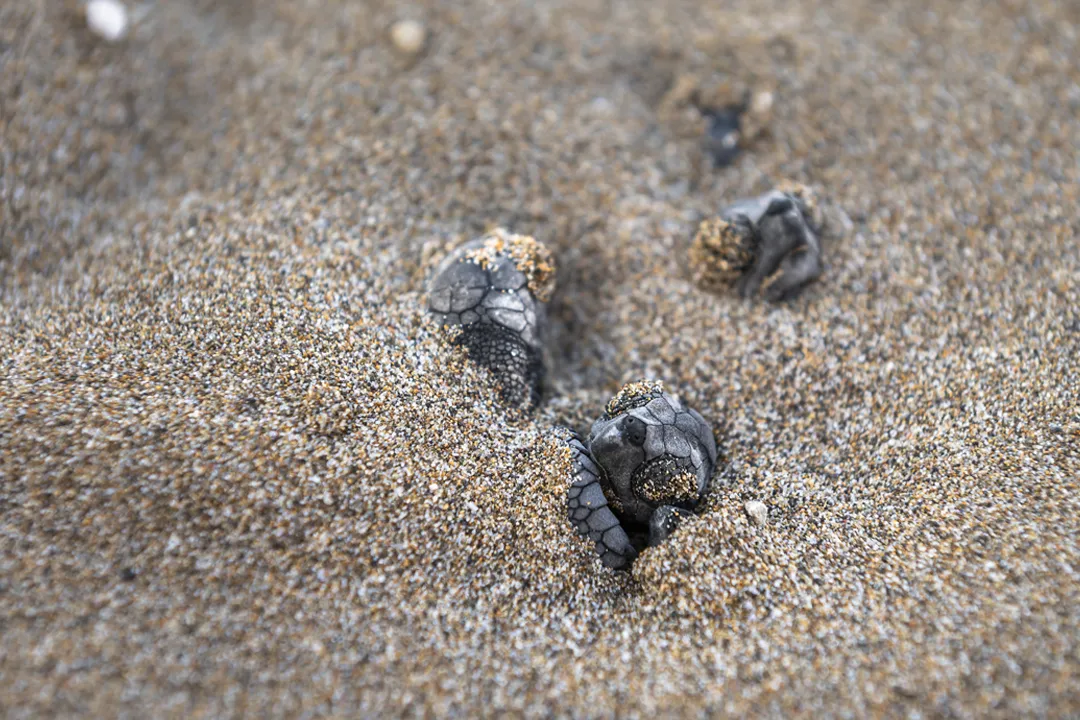
Yet behind this festive image lies a much more fragile reality: these same beaches are also the setting for a millennia-old spectacle—the hatching of loggerhead sea turtles (Caretta caretta). Every summer, the females come here to lay their eggs, and hundreds of baby turtles emerge from the sand in an attempt to reach the sea.
But coexistence is difficult: the artificial light from bars and restaurants disorients the hatchlings, beach chairs and infrastructure sometimes crush the nests, and human activity disrupts a vital cycle that requires calm, darkness, and silence.
This paradox illustrates one of the major challenges facing the Mediterranean: how can tourism be reconciled with the preservation of biodiversity?
In Zakynthos, every time a turtle hatches, it serves as a reminder that balance is possible—if we choose to protect this unique natural heritage rather than endanger it.
The Caouanne Mission
Understand, Protect, and Pass On
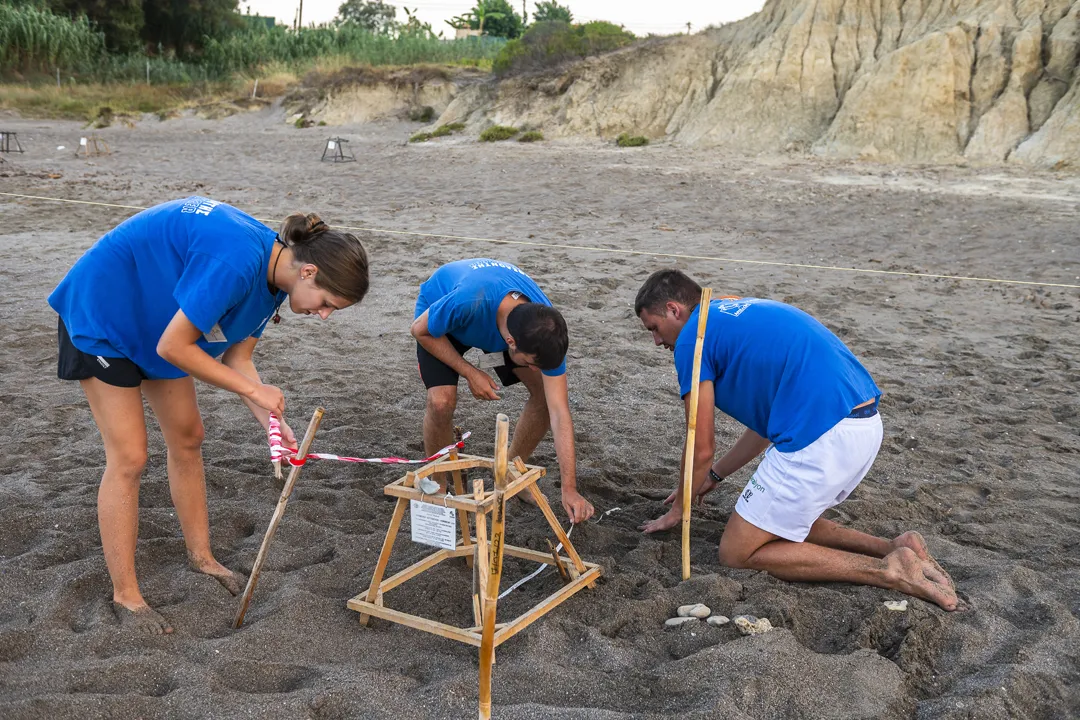
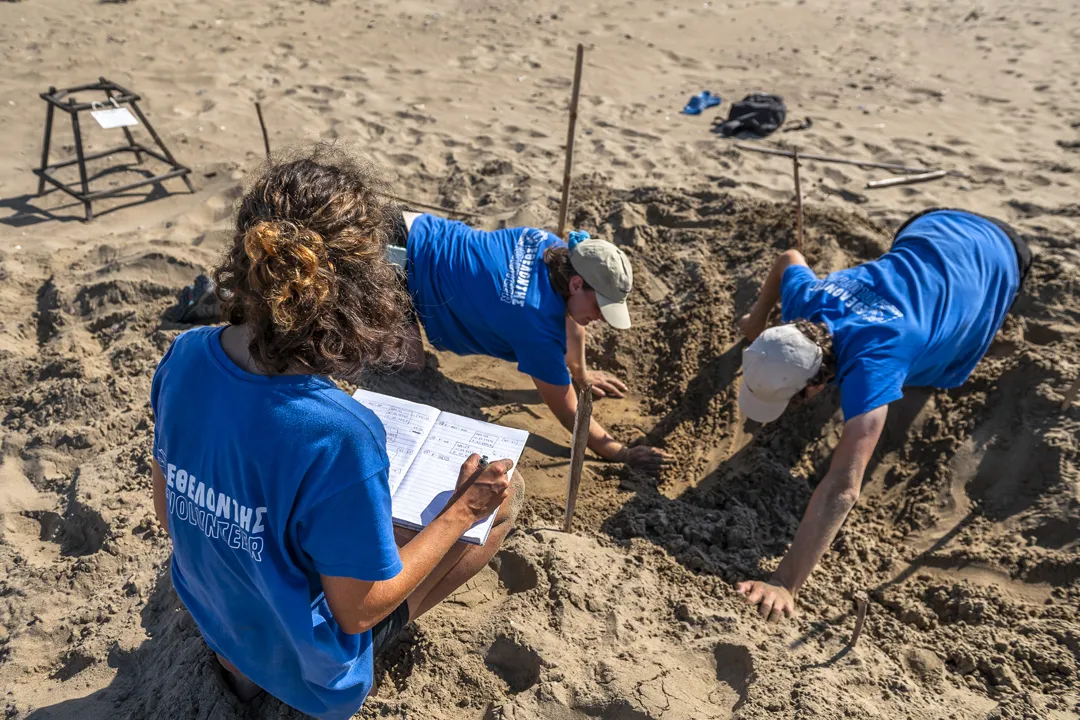
In the heart of this biodiversity hotspot, the Loggerhead Turtle Mission aims to better understand, document, and raise awareness of the reproductive cycle of loggerhead turtles, while highlighting the growing pressures that human activities are placing on their habitats.
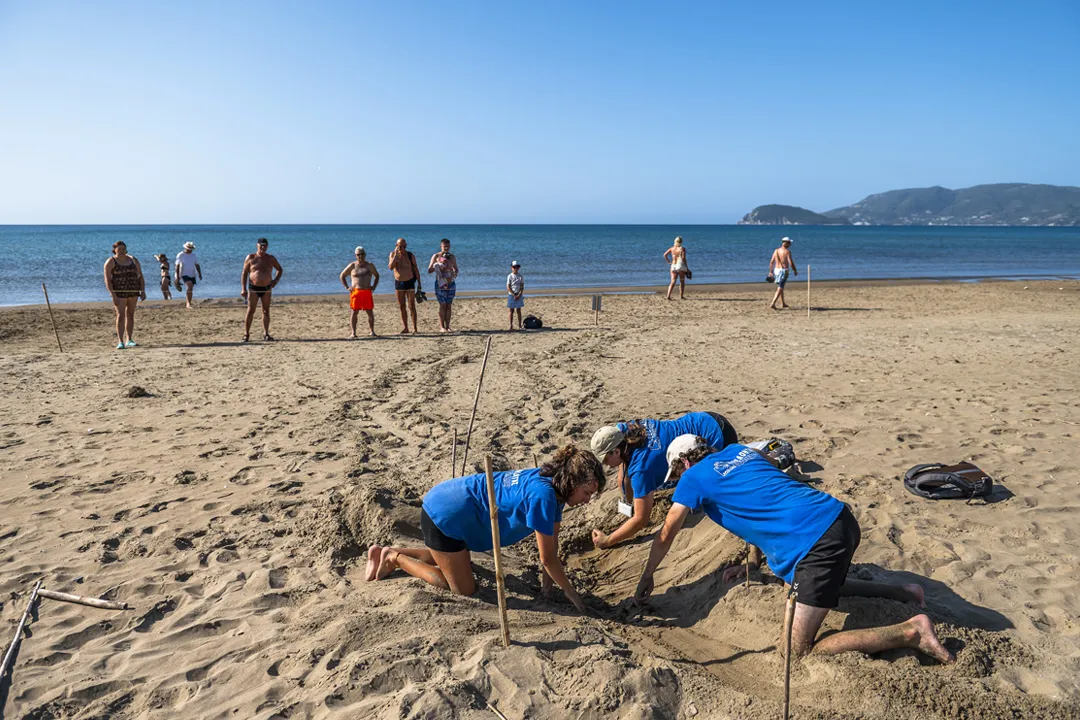
Conducted in partnership with ARCHELON (a Greek association for the protection of sea turtles) and the Zakynthos Marine National Park, the mission aims to:
• Document the reproductive cycle of loggerhead sea turtles,
• Identify and raise awareness of threats related to human activities,
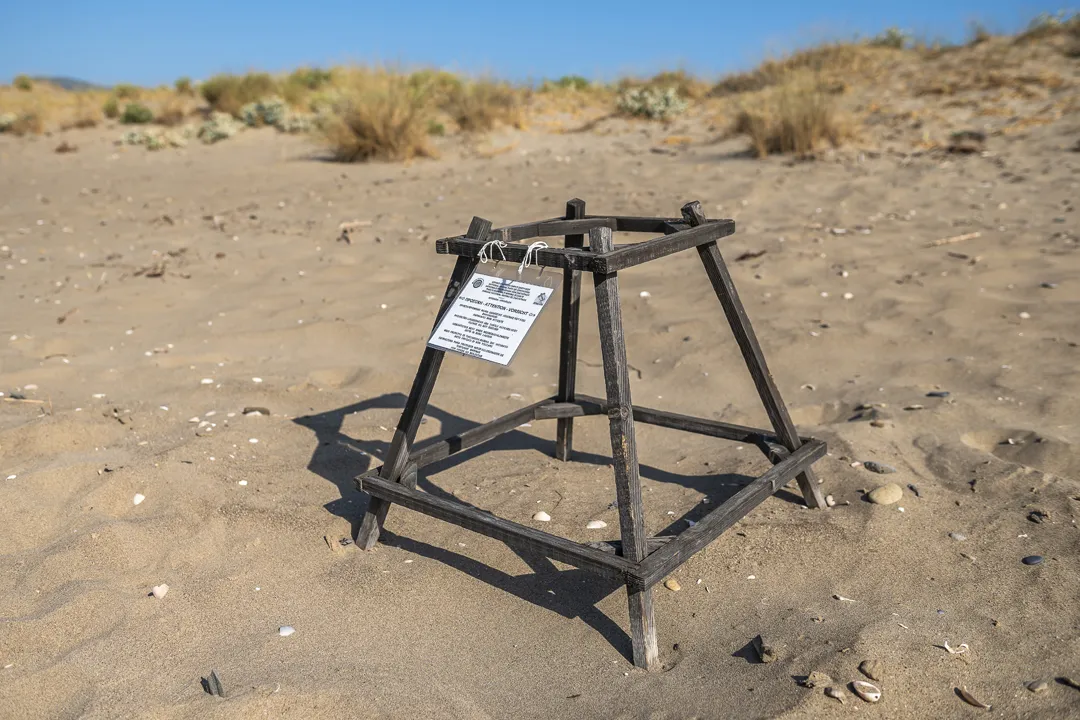
• Support and highlight the vital work of local stakeholders committed to protecting nesting beaches.
On this island, where mass tourism coexists with ecological fragility, the challenge is clear: to ensure that Zakynthos remains a safe haven for these iconic species, while maintaining a sustainable balance between biodiversity conservation and human activities.
The loggerhead sea turtle
A major migratory bird of the Mediterranean
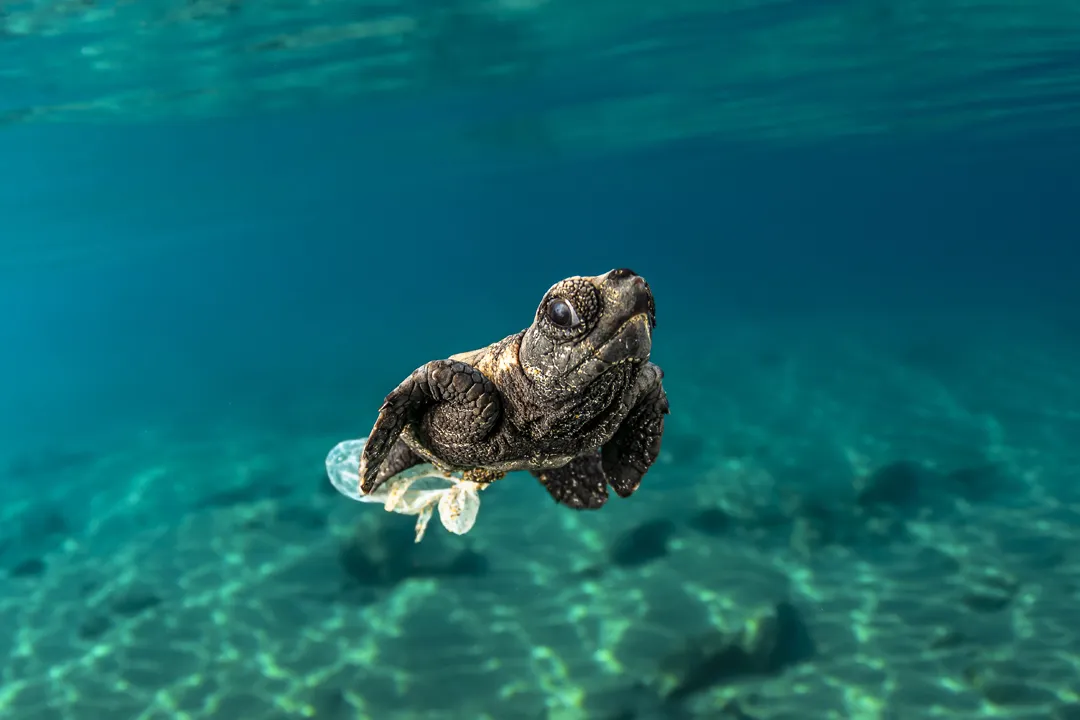
The loggerhead sea turtle (Caretta caretta) is one of the main species of sea turtles found in the Mediterranean. Recognizable by its massive head and reddish-brown shell, it can grow up to 1.20 meters in length and weigh more than 100 kg as an adult.
A long-lived and migratory species, the loggerhead sea turtle inhabits both coastal areas and the open ocean, feeding primarily on mollusks, crustaceans, and other marine invertebrates. The Mediterranean is a key area in its life cycle, particularly for feeding, juvenile growth, and reproduction.
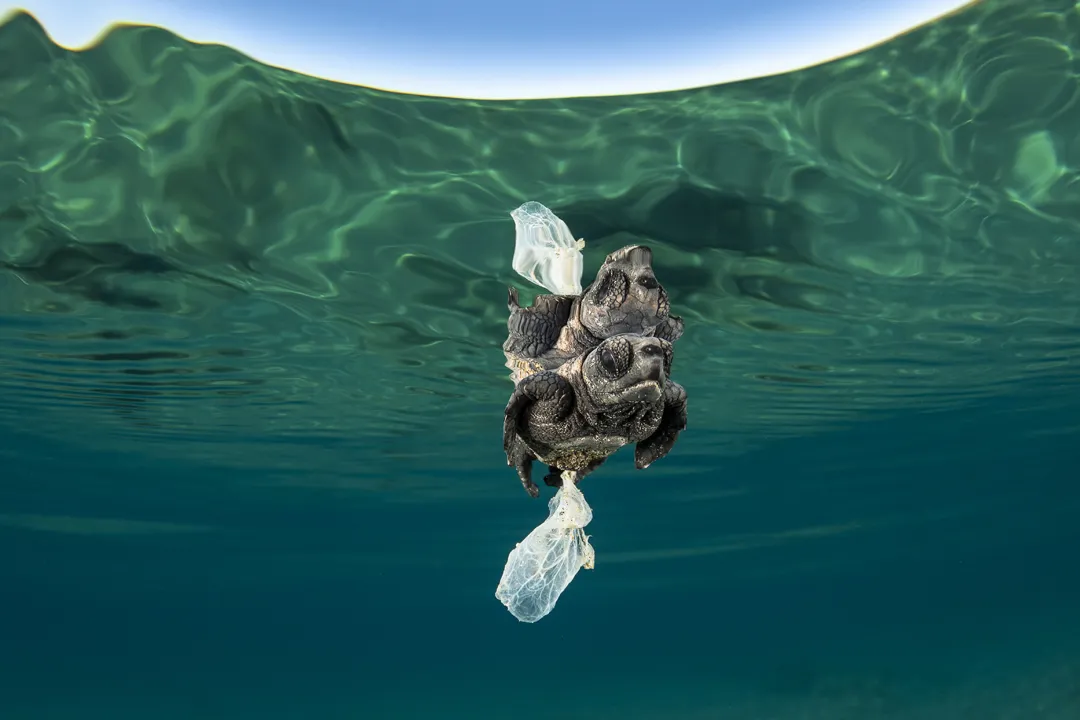
Listed as “Vulnerable” on the IUCN Red List, the loggerhead sea turtle faces numerous threats: accidental capture in fishing gear, collisions with ships, plastic pollution, habitat loss, and artificial lighting on nesting beaches.
Its protection depends on habitat conservation, reducing human pressures, and raising public awareness throughout the entire Mediterranean basin.





Born out of a collective drive to tell the story of and protect the Mediterranean Sea, We Are Méditerranée gives a voice to a fragile and exceptional ecosystem by bringing together explorers, scientists, artists, and citizens around a shared commitment: to inspire wonder so that we may take better action.
Preserving biodiversity means protecting not only the Mediterranean Sea, but also the future of humanity.
