Biodiversity
Mediterranean Biodiversity
A global hotspot
The Mediterranean Sea covers only 0.8% of the world’s oceans, but it is one of the world’s greatest reservoirs of biodiversity. It is home to 10% of marine biodiversity, with nearly 17,000 recorded species: 7.5% of the world’s marine fauna and 18% of its flora. Of these, 28% are endemic—meaning they are found nowhere else on Earth.
17 000
Species recorded
7.5%
Of the World’s marine life
18%
Biodiversity encompasses all living things: animals, plants, microorganisms, and the invisible connections that bind them together.
In the Mediterranean Sea—a semi-enclosed sea of exceptional biodiversity—this diversity weaves a fragile balance in which each species plays a unique and indispensable role. Life there follows a fascinating cycle in which every organism depends on the others.
It all starts with the smallest organisms: phytoplankton, which captures sunlight to produce oxygen and organic matter, bringing the ocean to life. It feeds zooplankton, which in turn is eaten by small fish and crustaceans—prey for larger fish, cephalopods, and seabirds. At the top of this food chain are the large predators: bluefin tuna, swordfish, dolphins, sperm whales, and even fin whales—true giants of the seas.
Every link counts
The disappearance of even a single species weakens the entire ecosystem. Preserving Mediterranean biodiversity means protecting this unique cycle, which is the result of delicate interactions between invisible organisms and the giants of the ocean.
This exceptional reservoir of life is organized into families that shape ecosystems and maintain balance
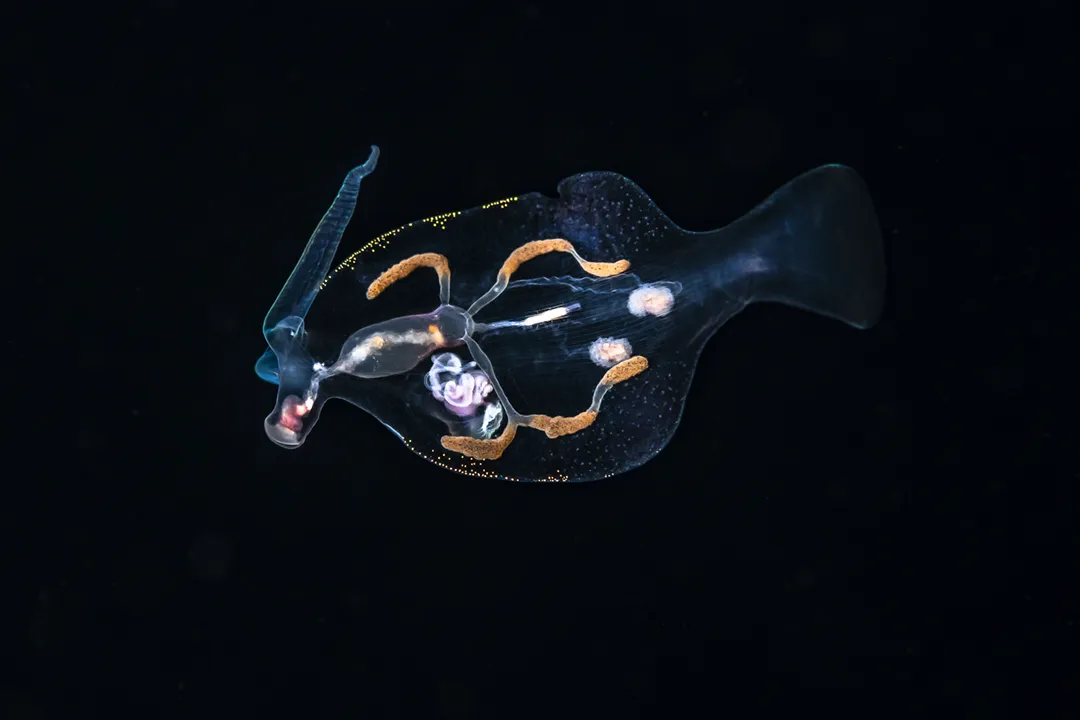
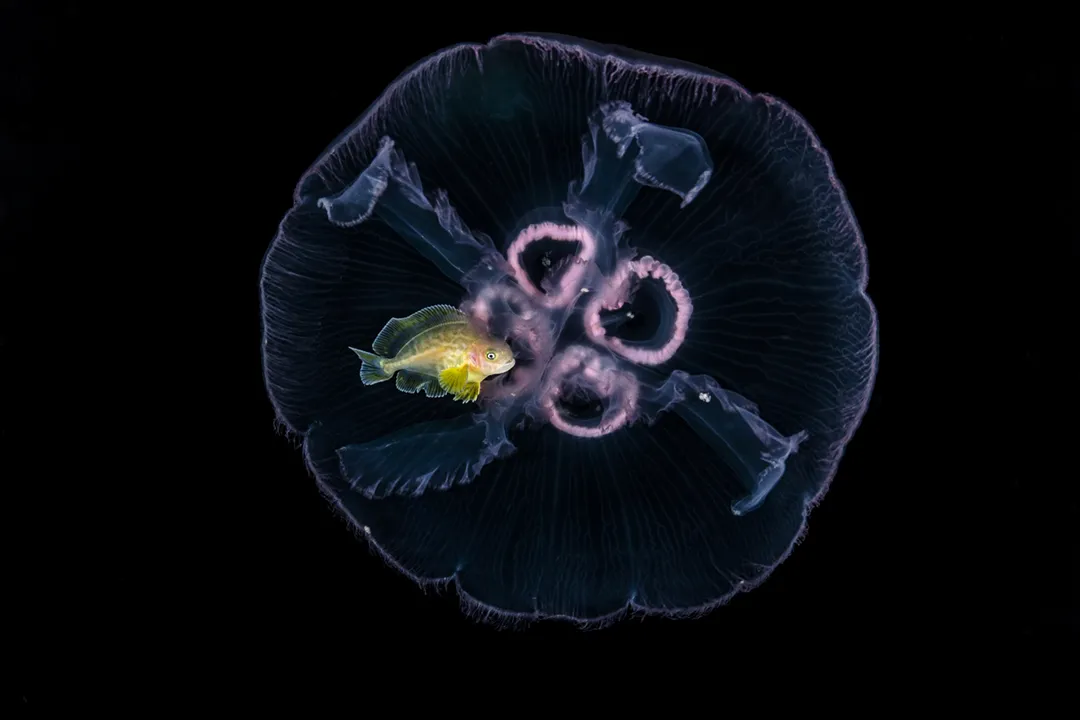
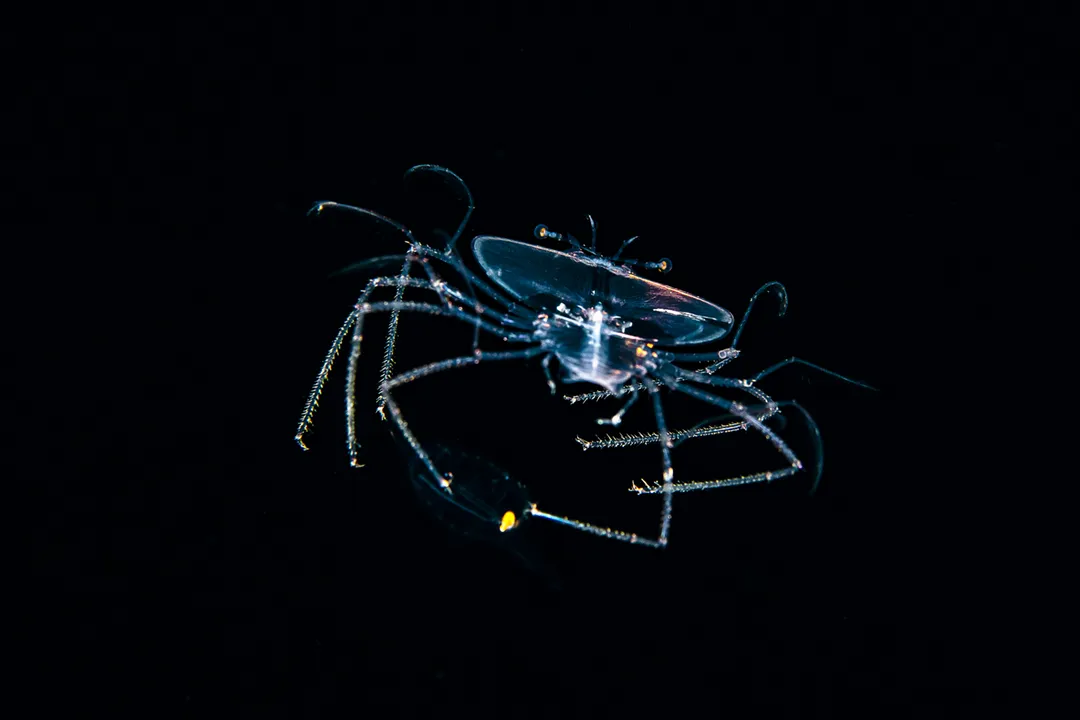
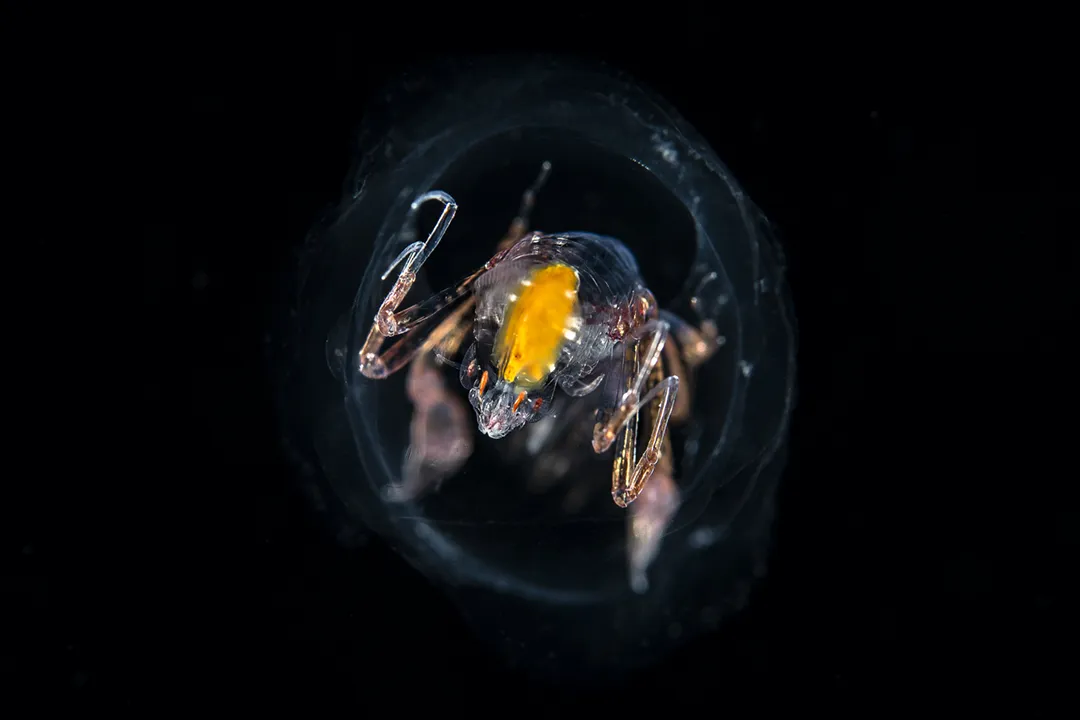
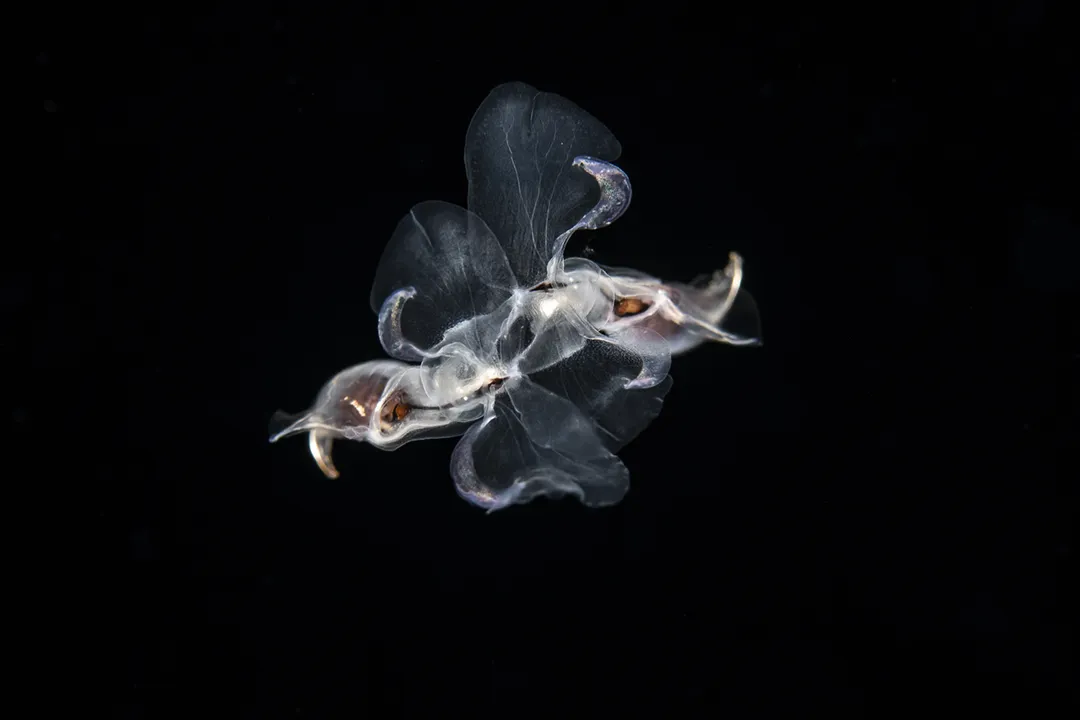

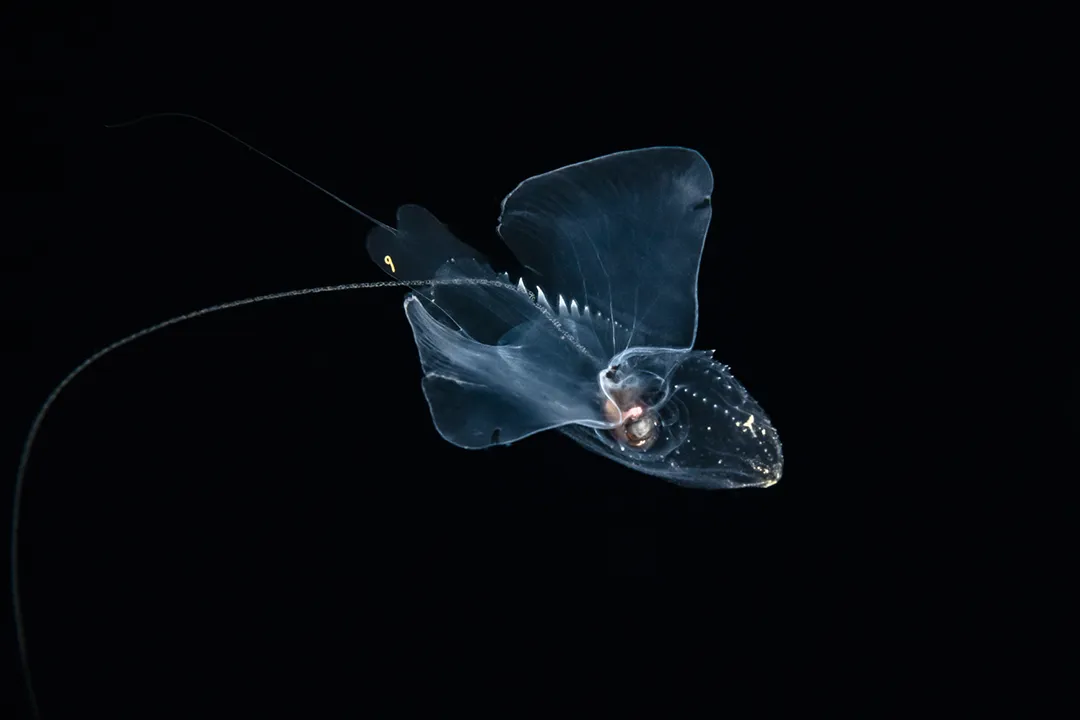
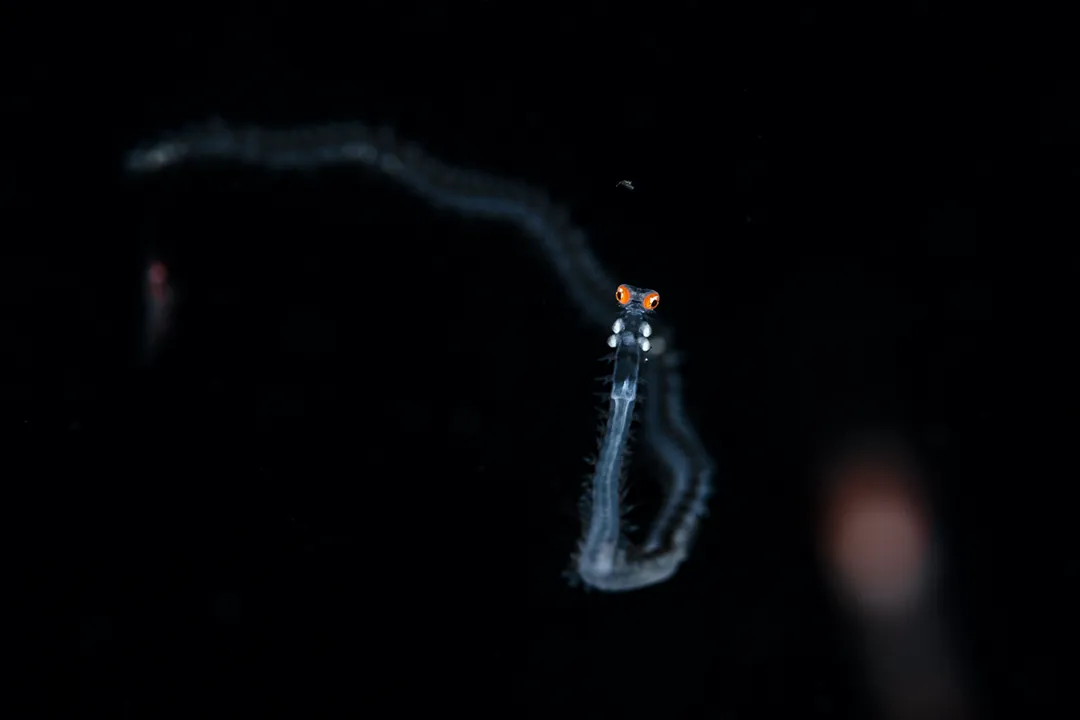
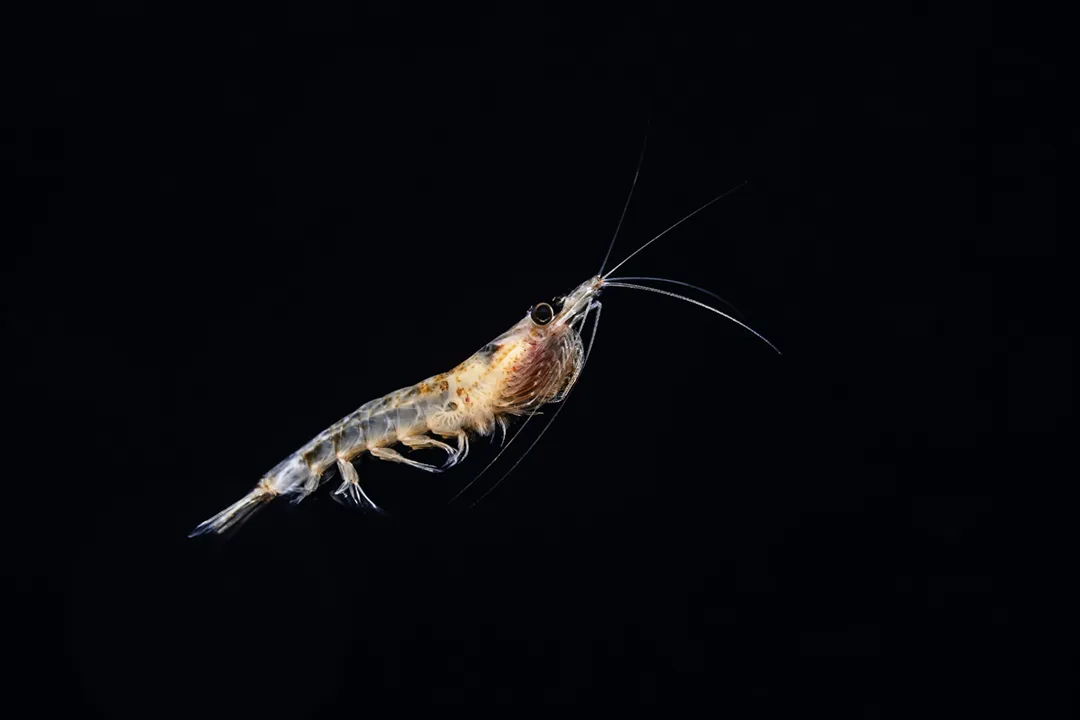
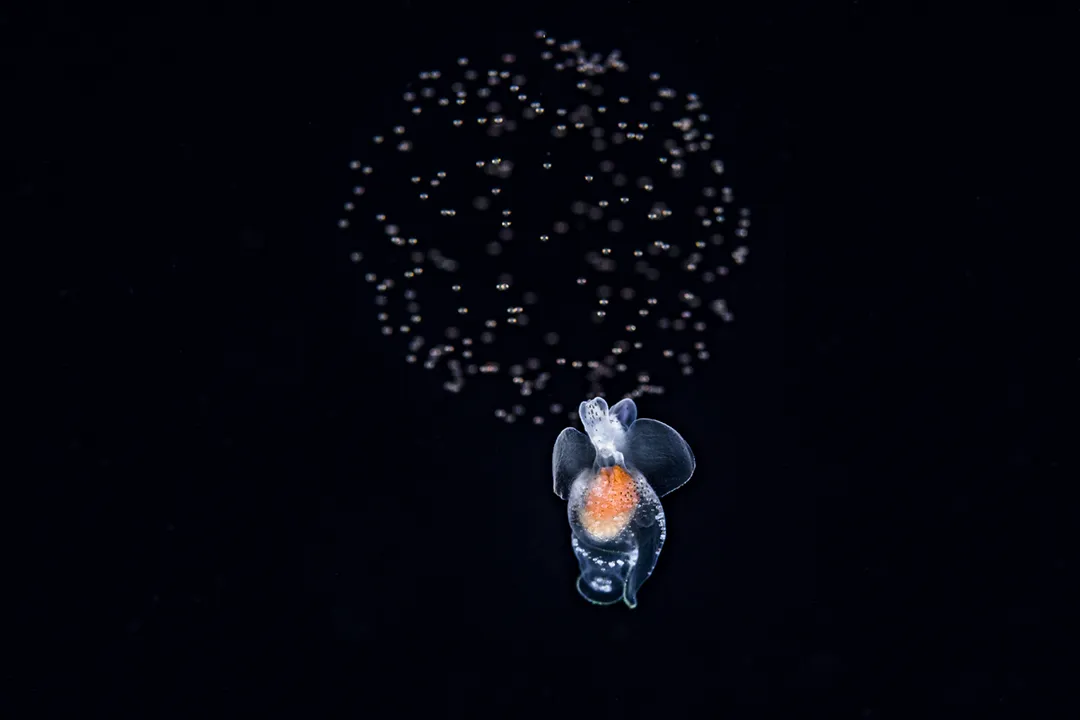
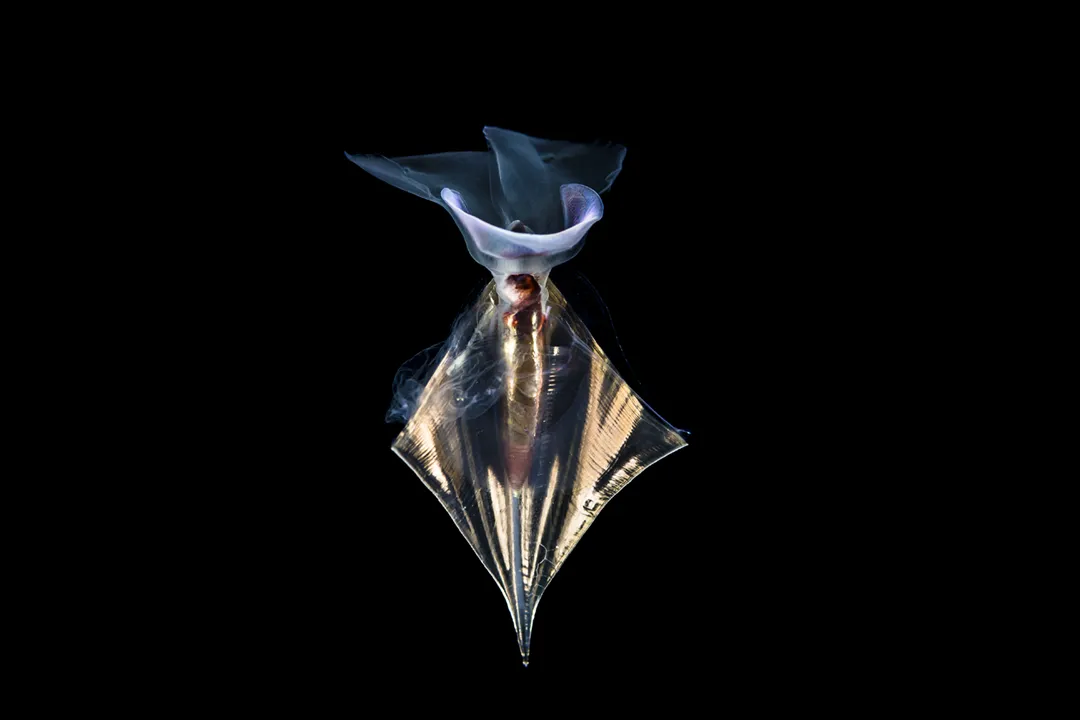
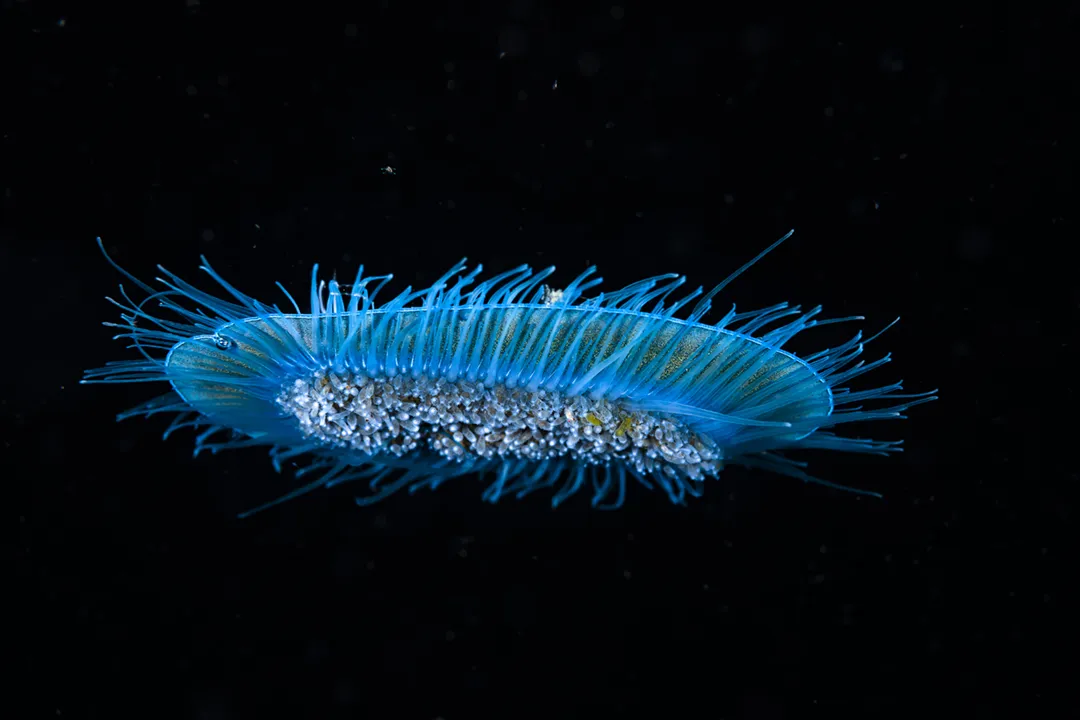
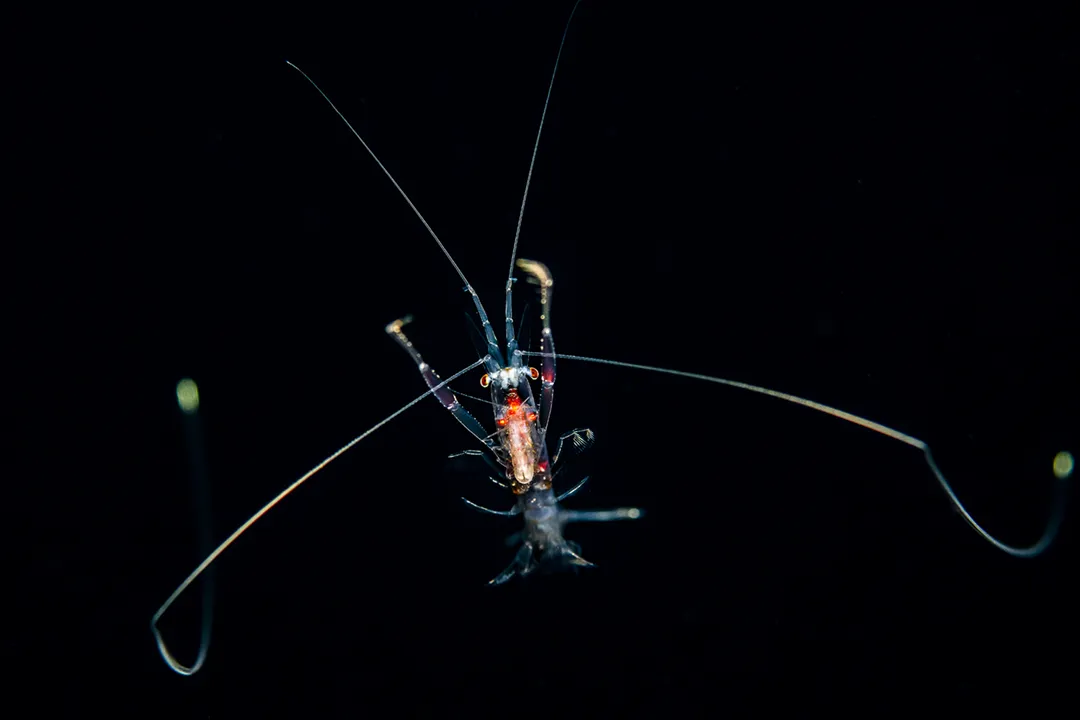
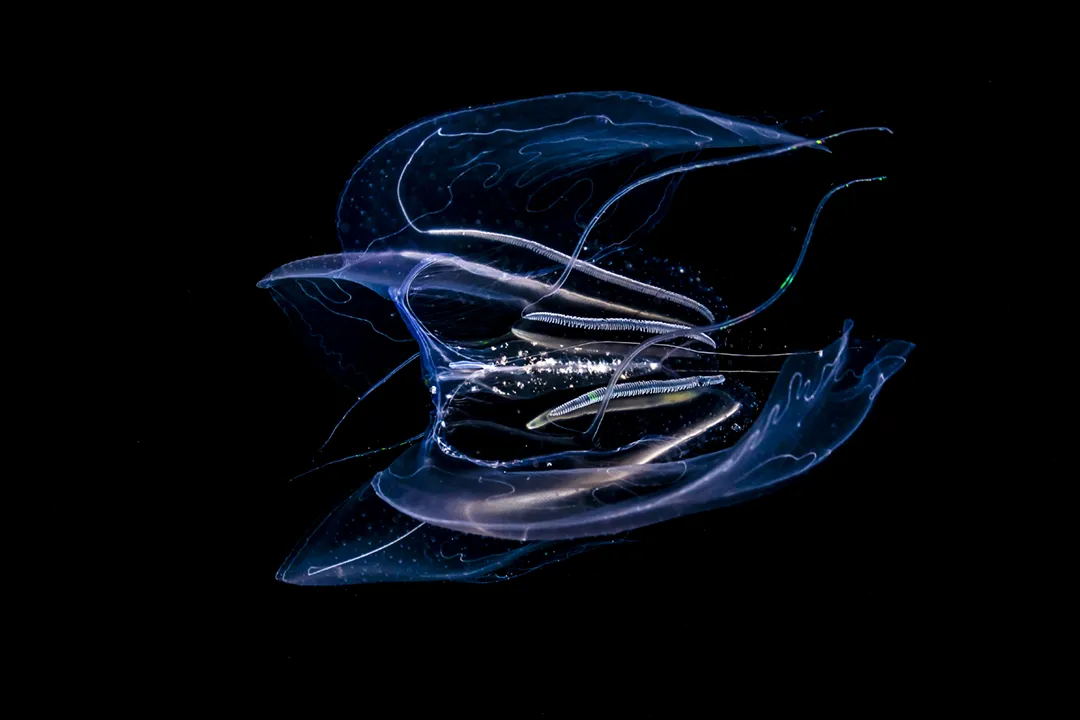
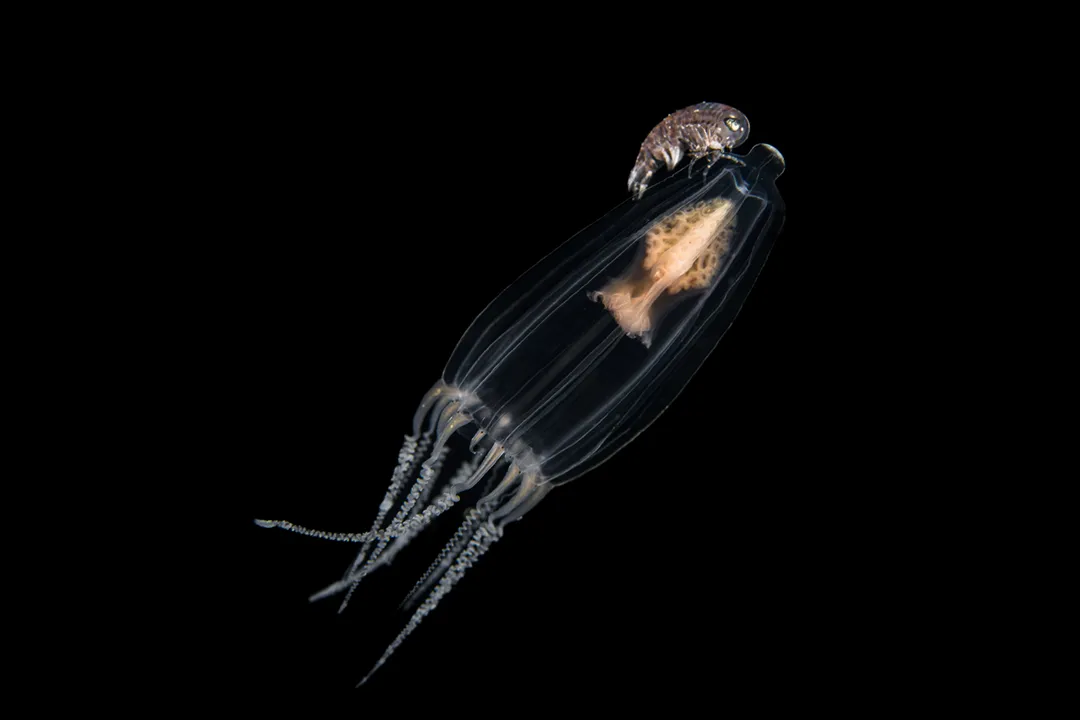
Plankton and Microorganisms
The foundation of all marine life.
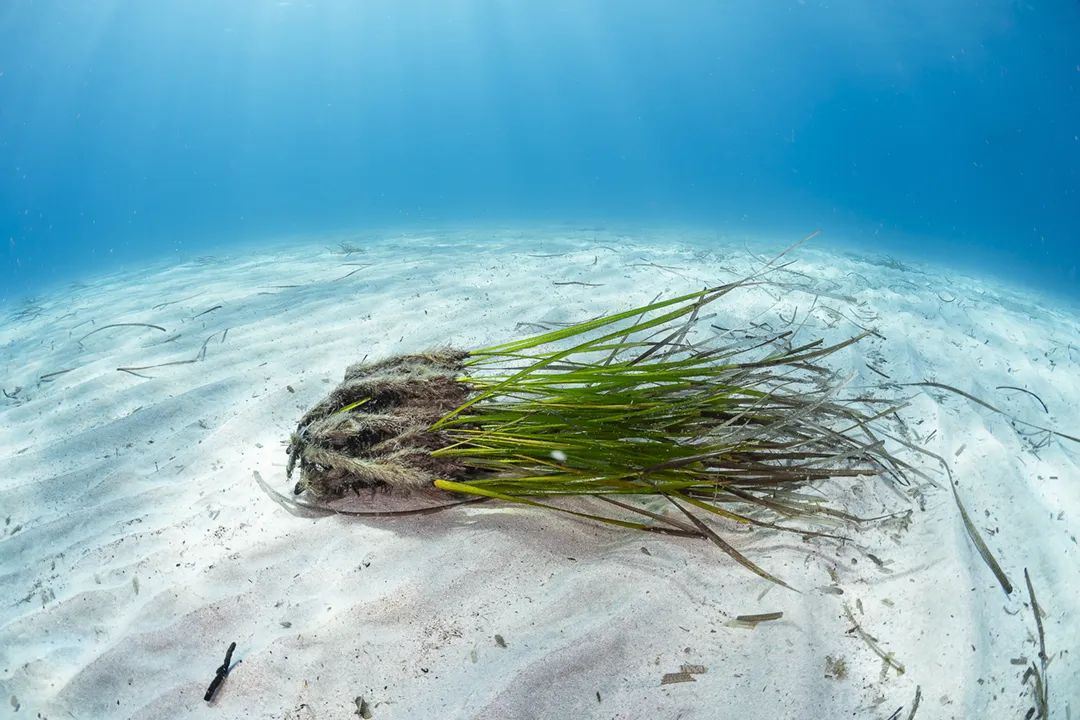
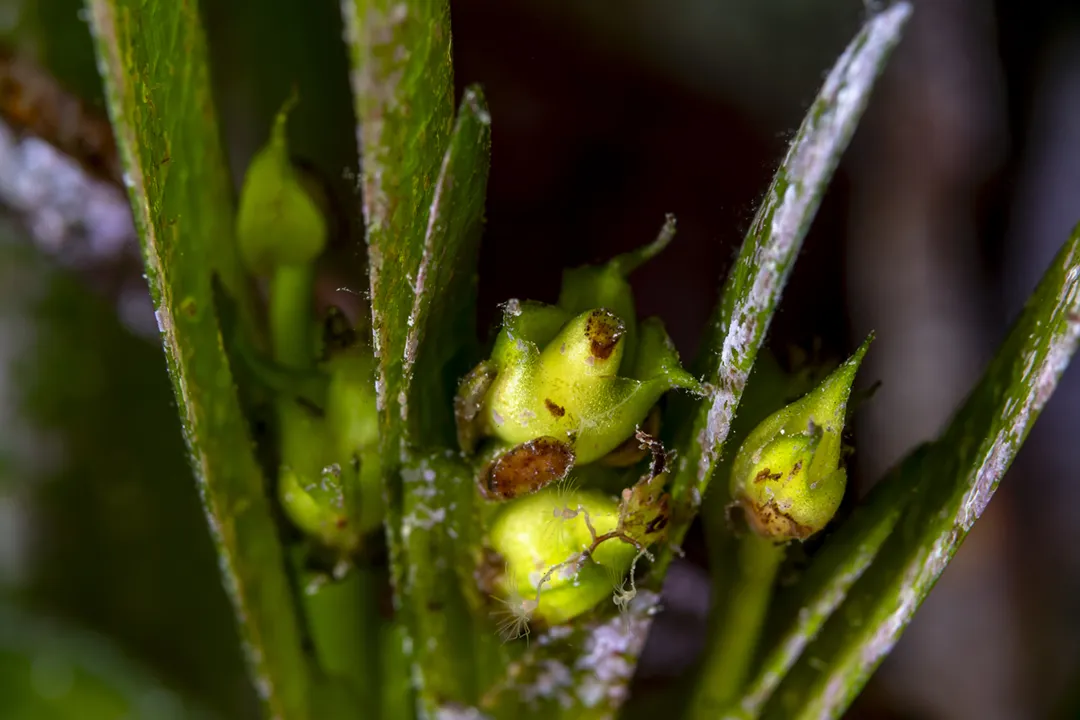
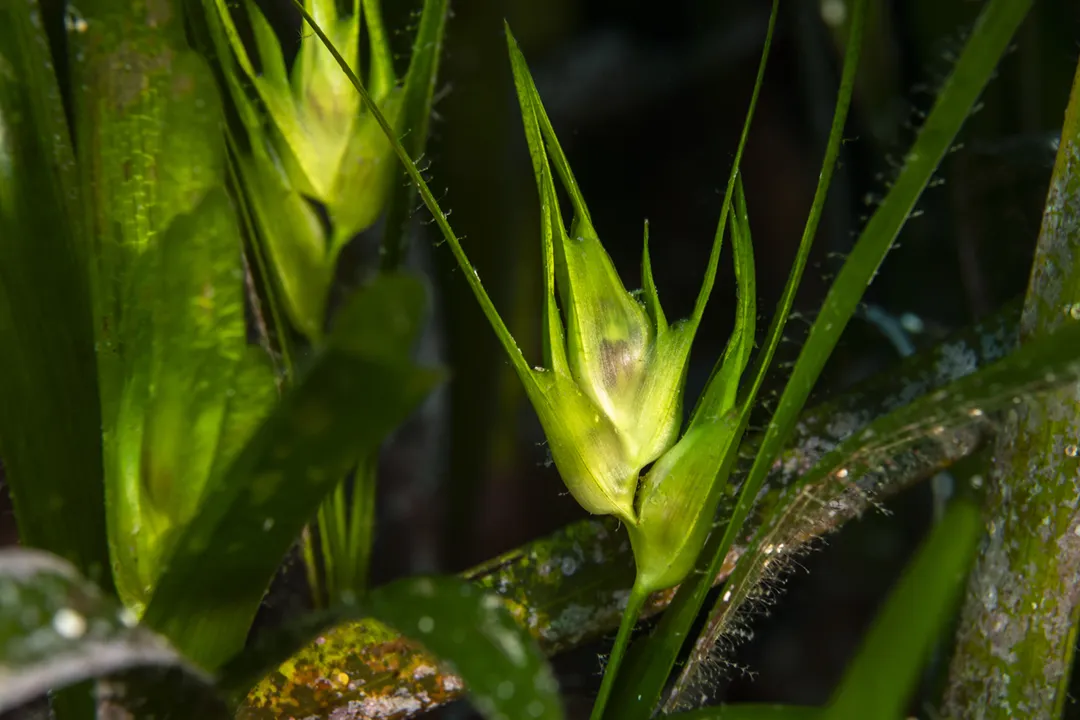
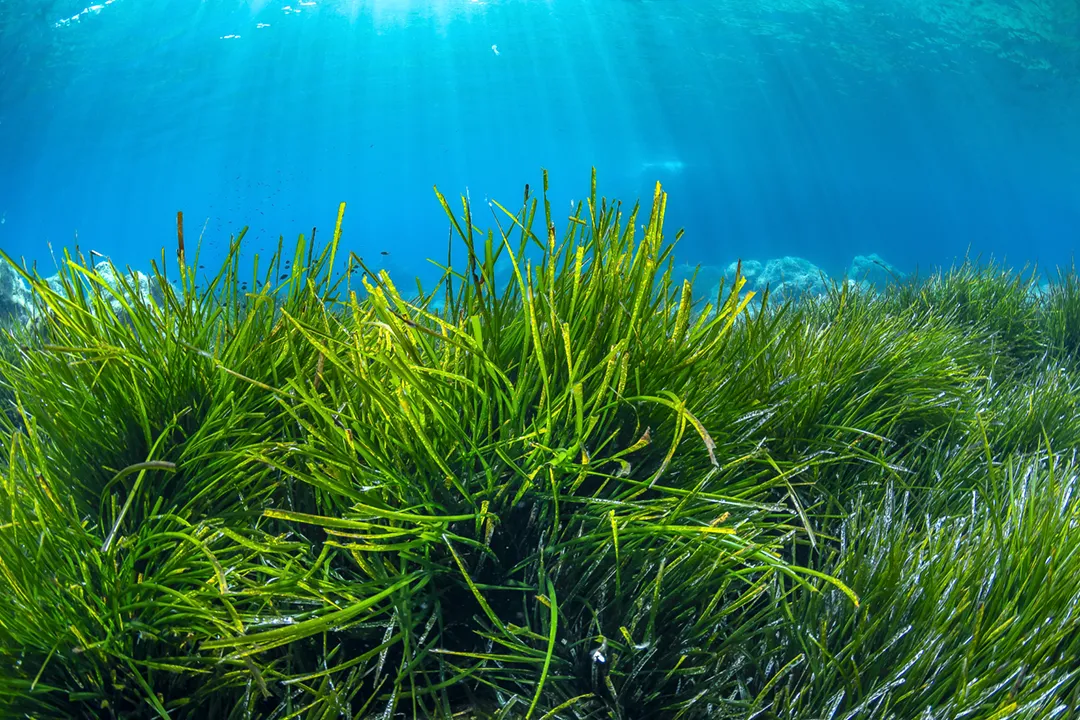
Marine Plants
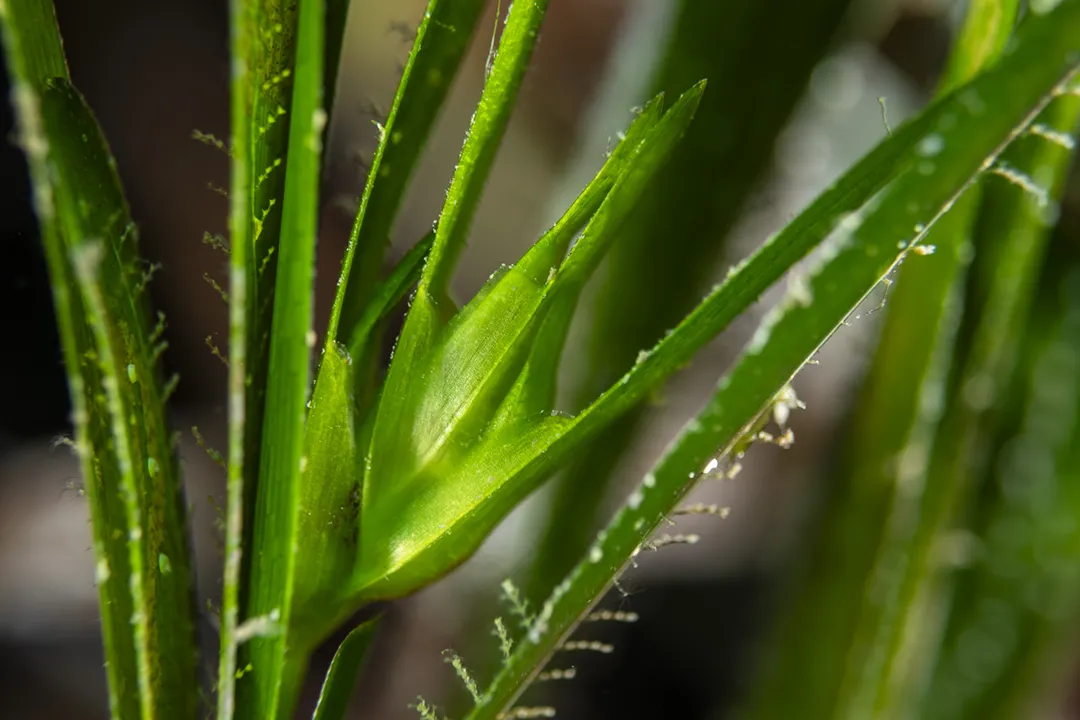
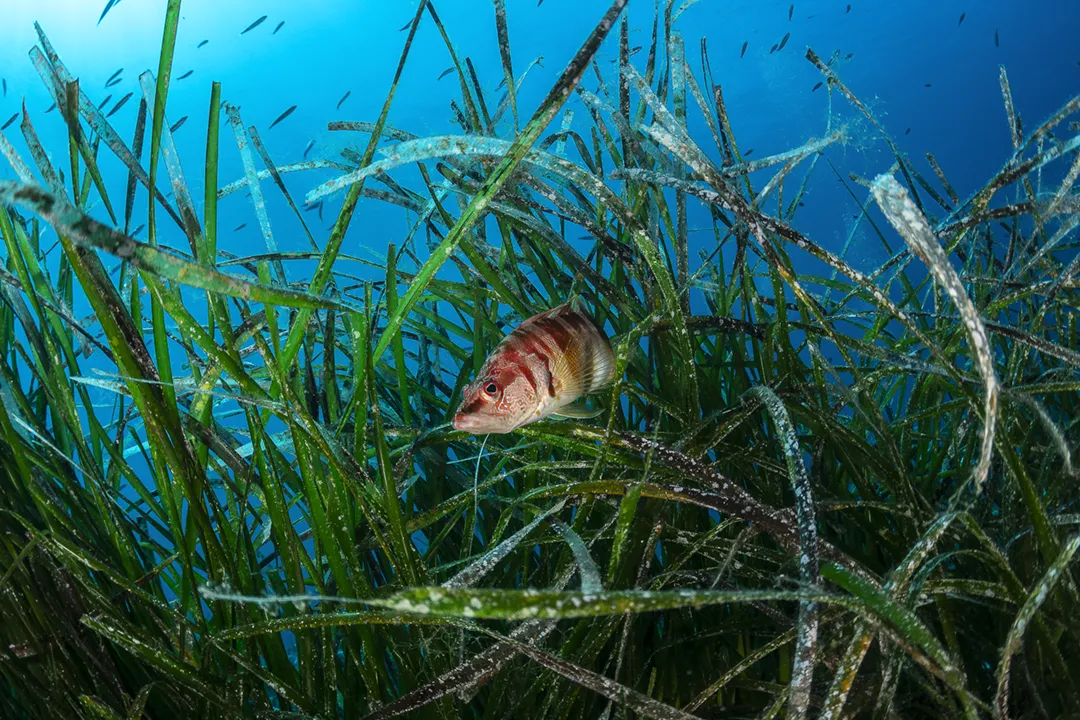
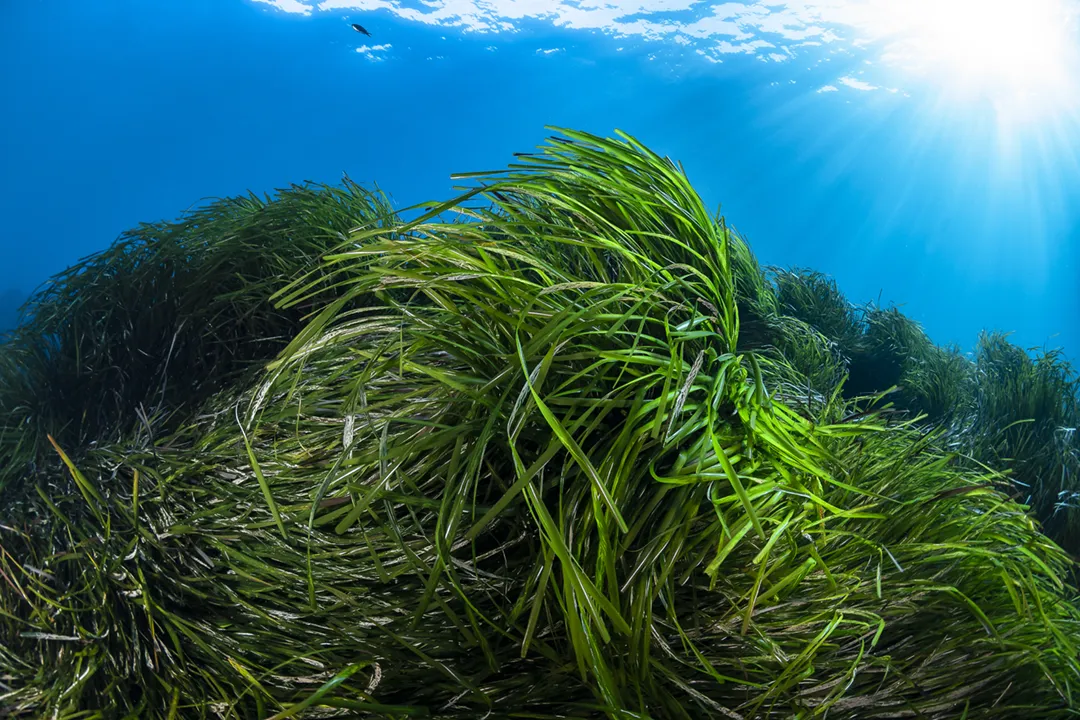
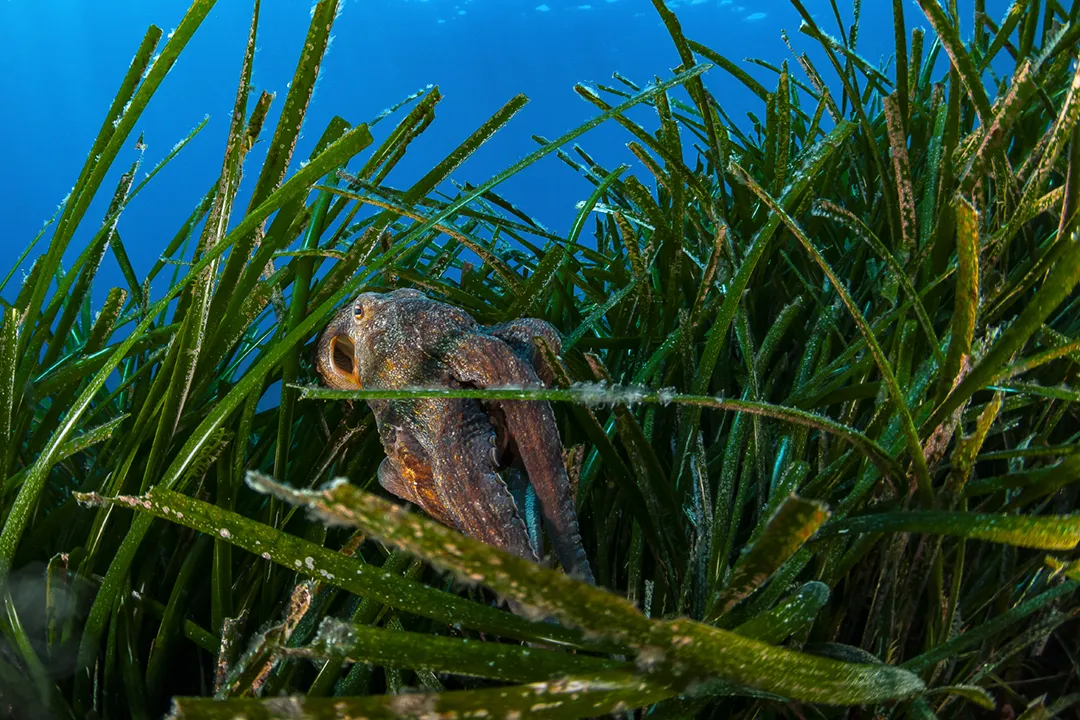
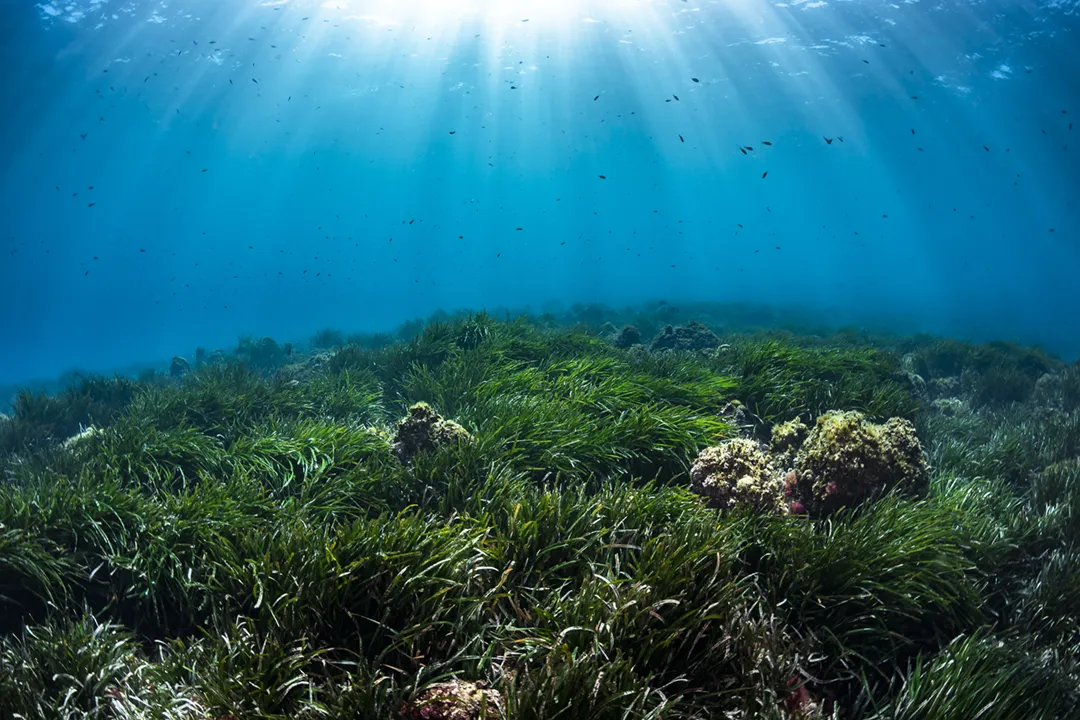
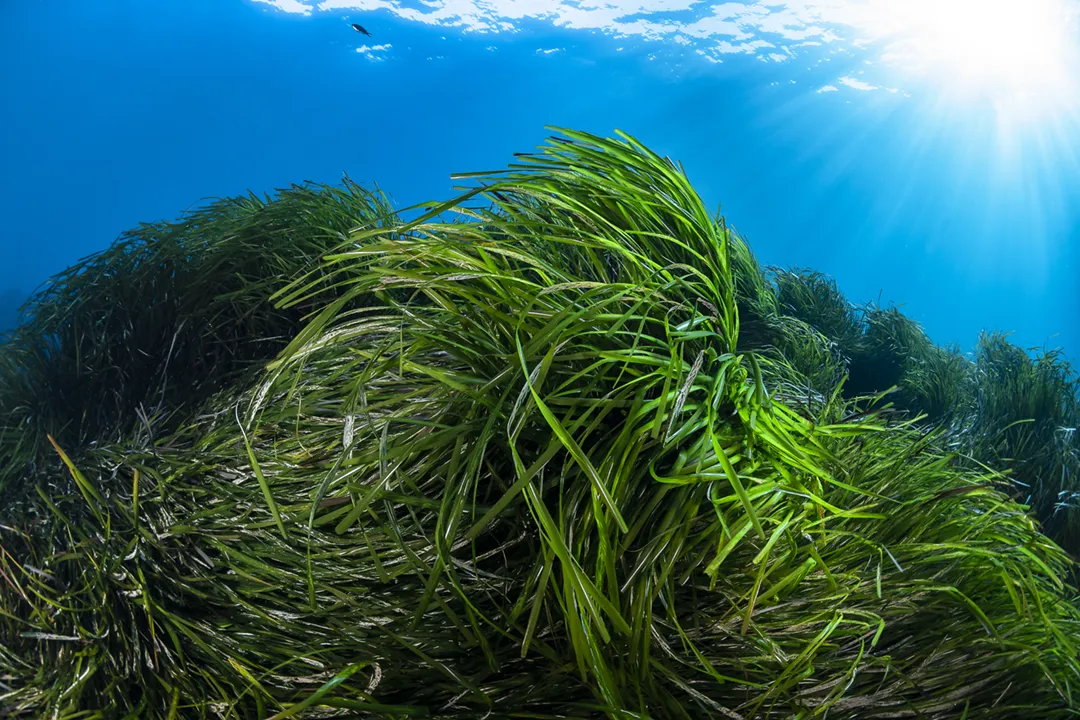
Algae and Posidonia seagrass beds: oxygen producers and carbon sinks.
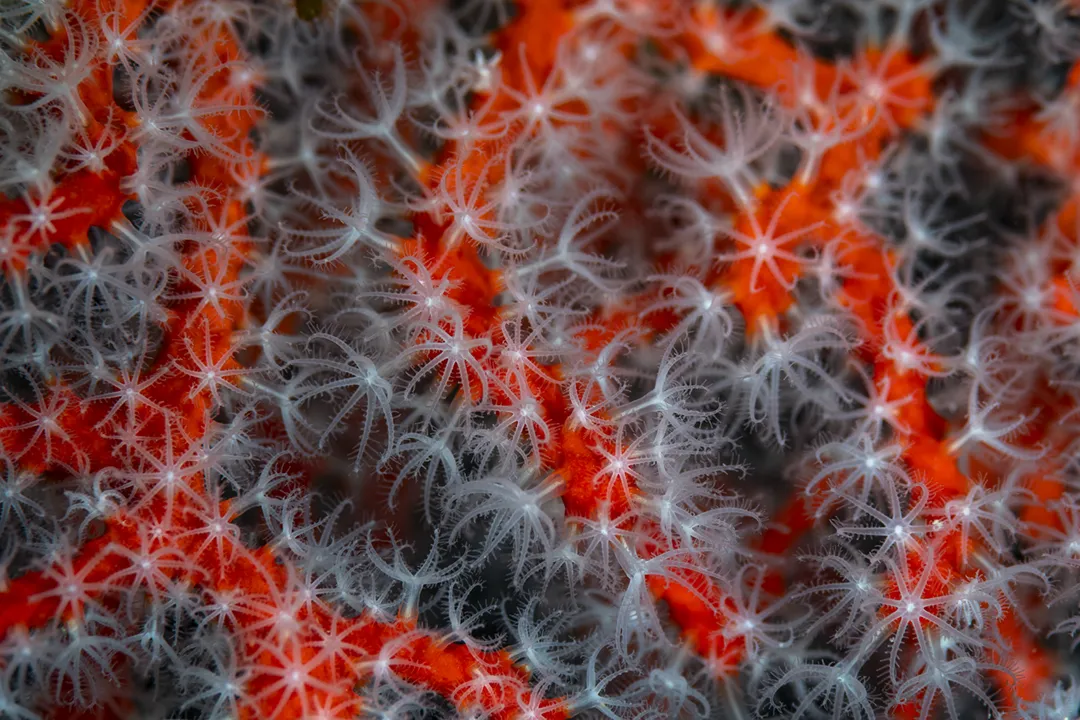
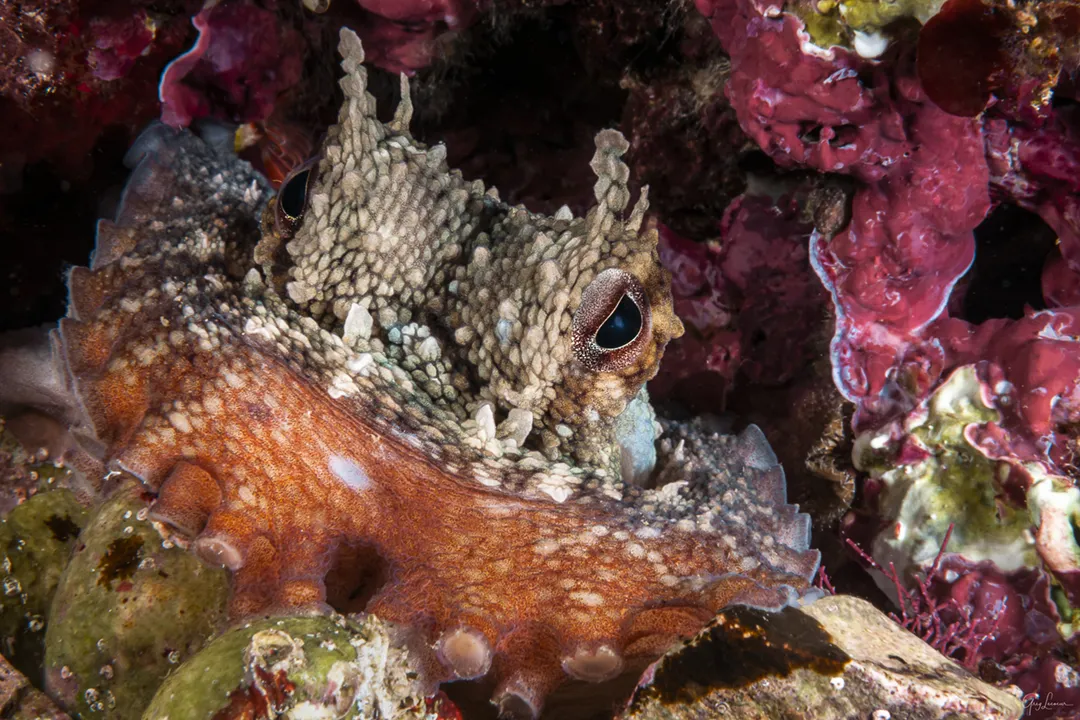
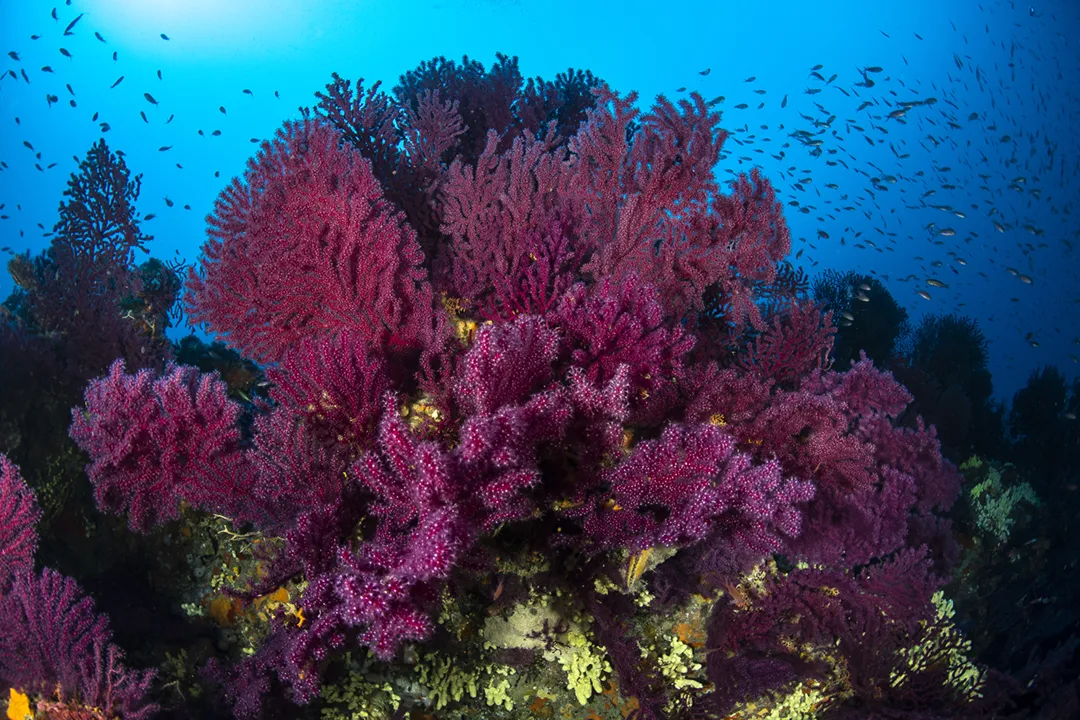
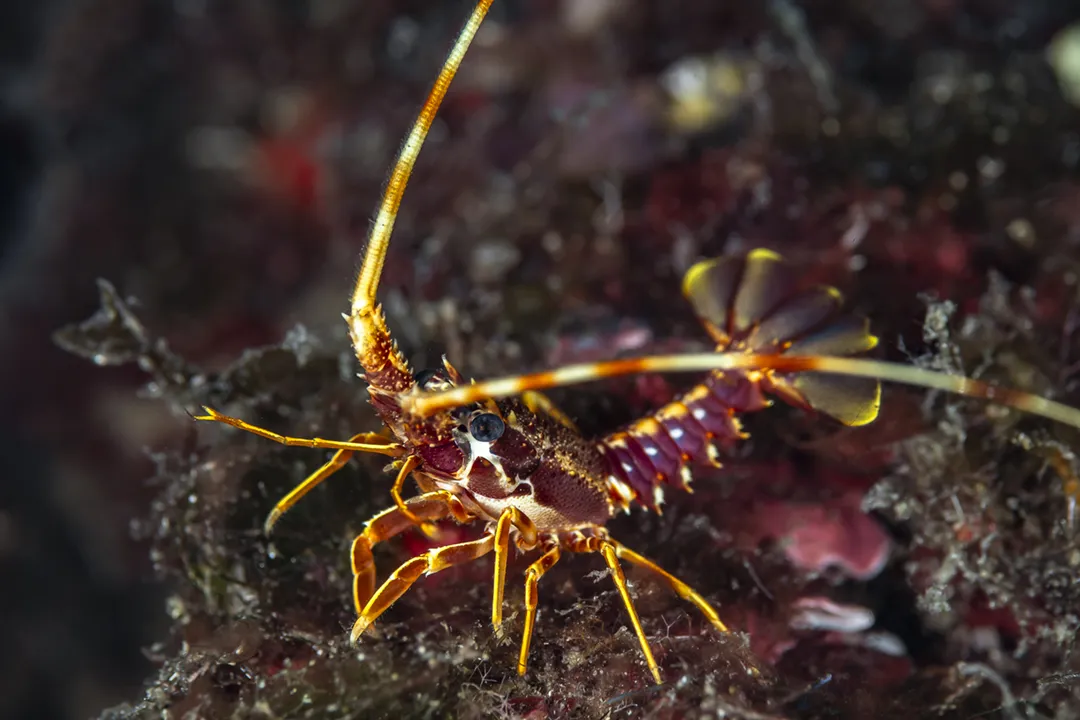
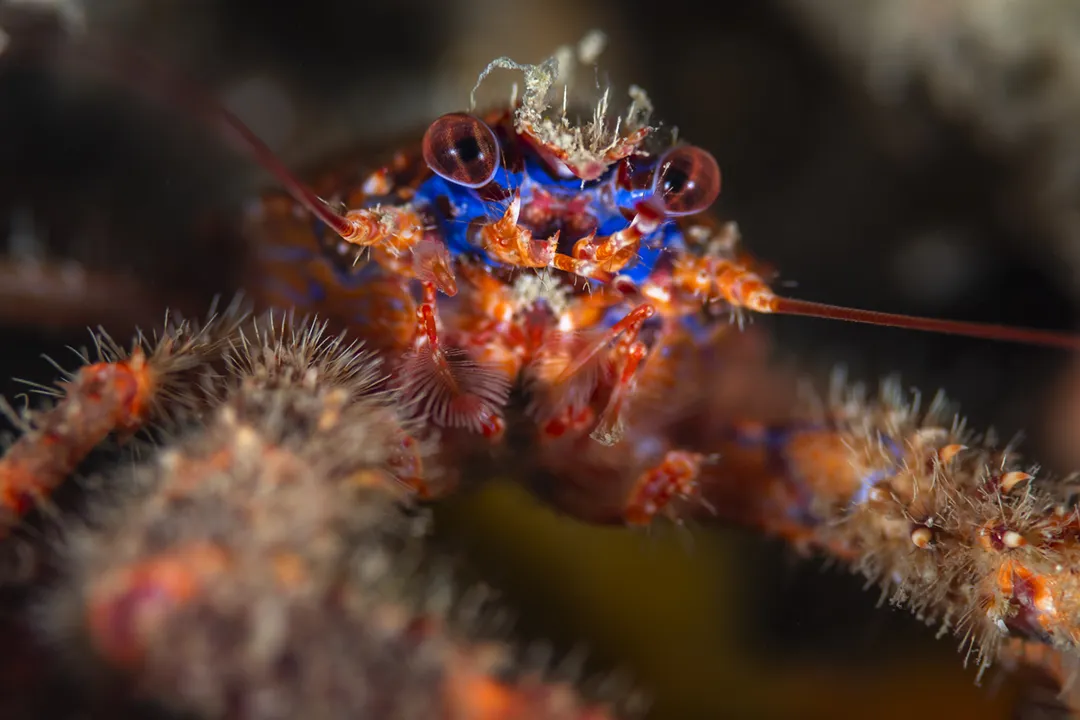
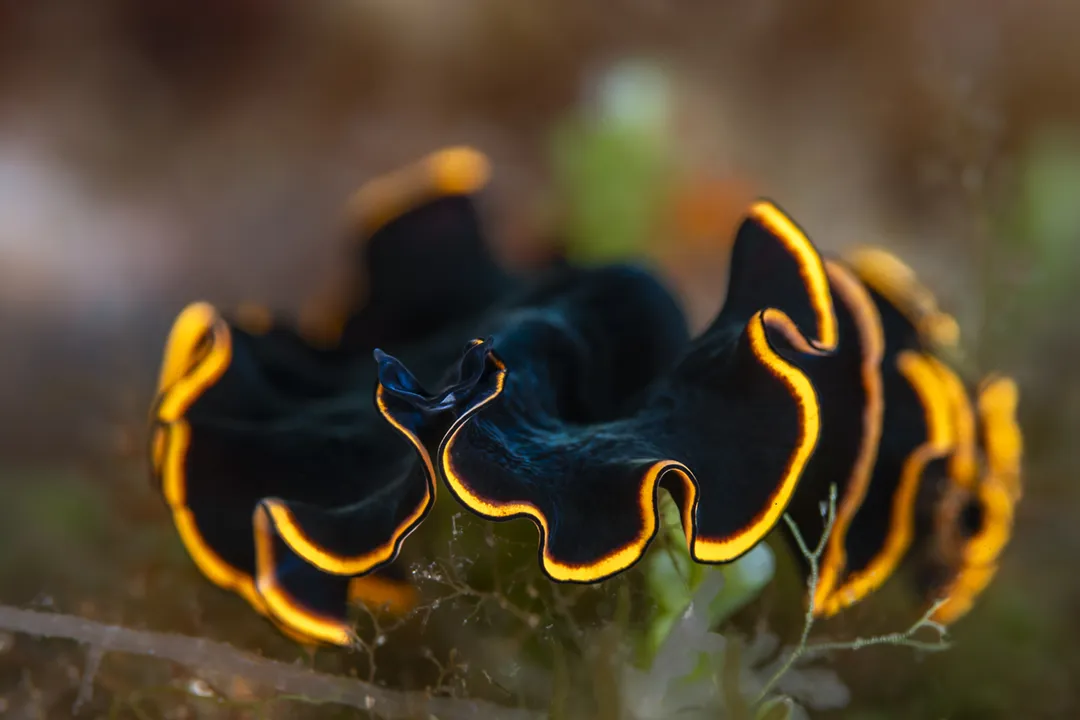
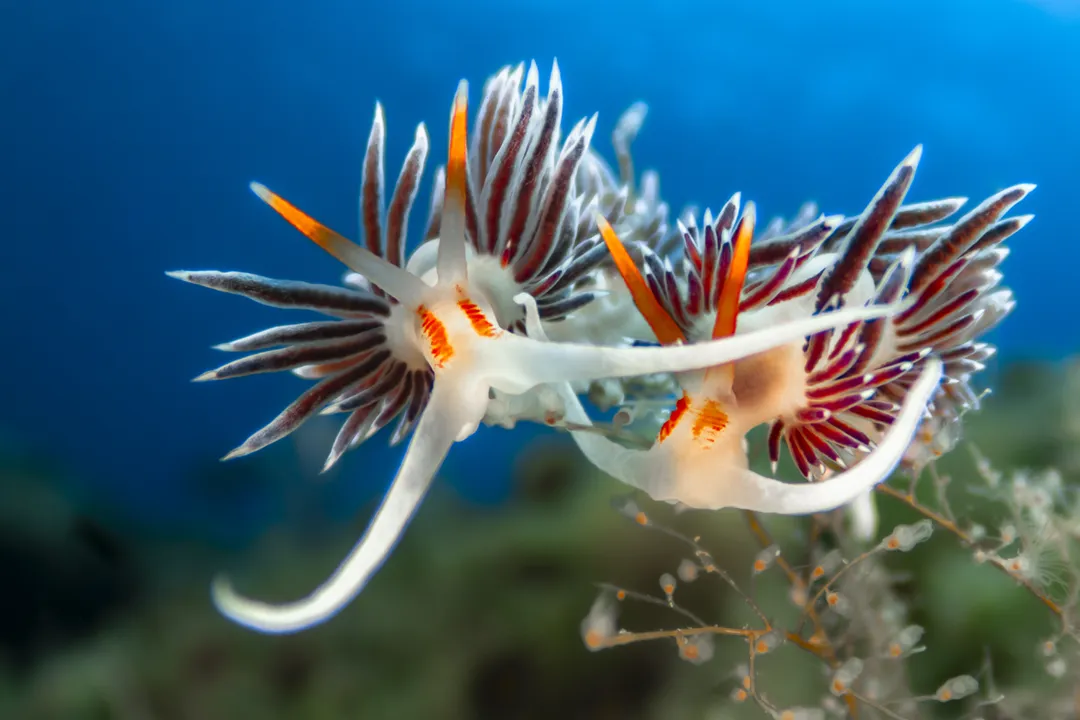
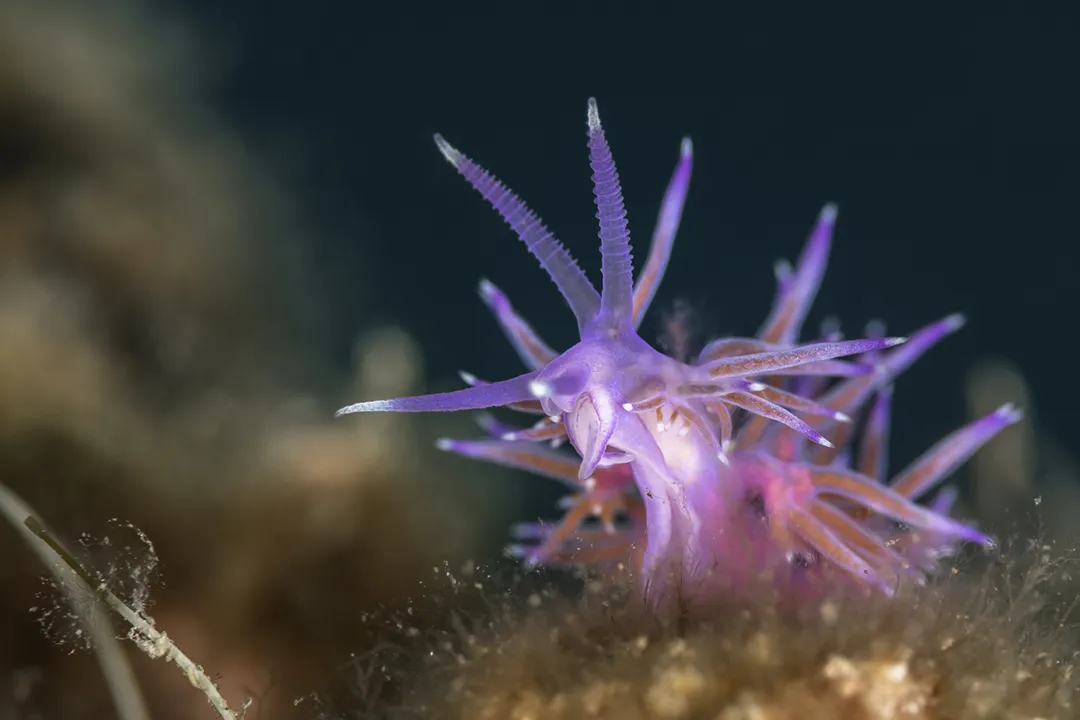
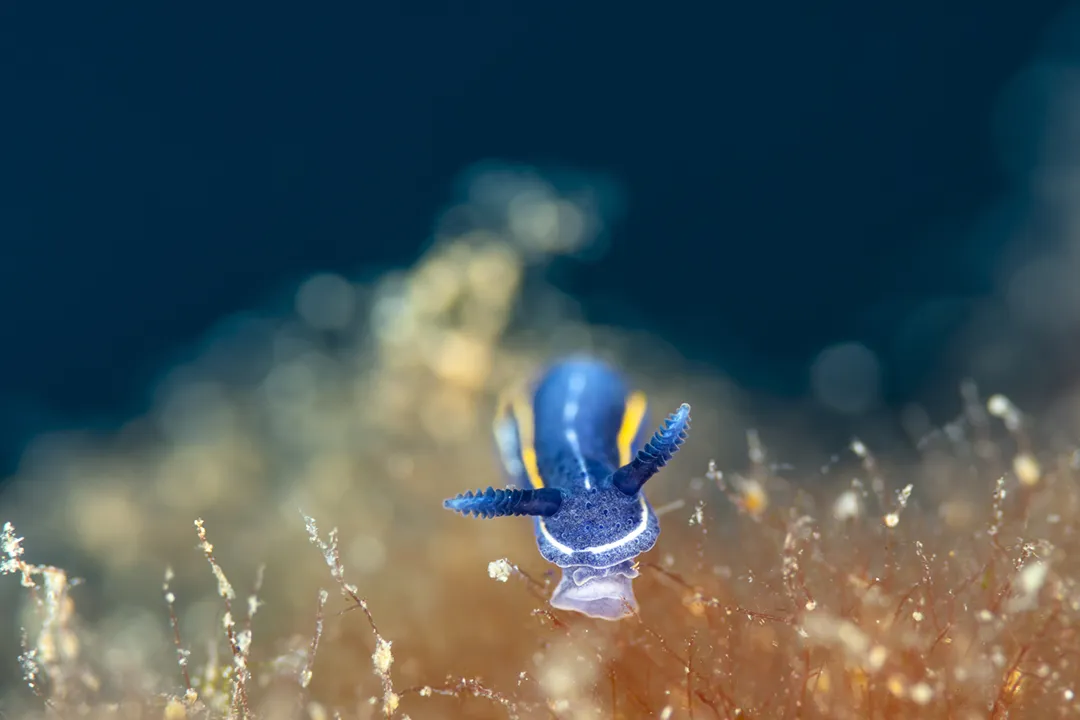
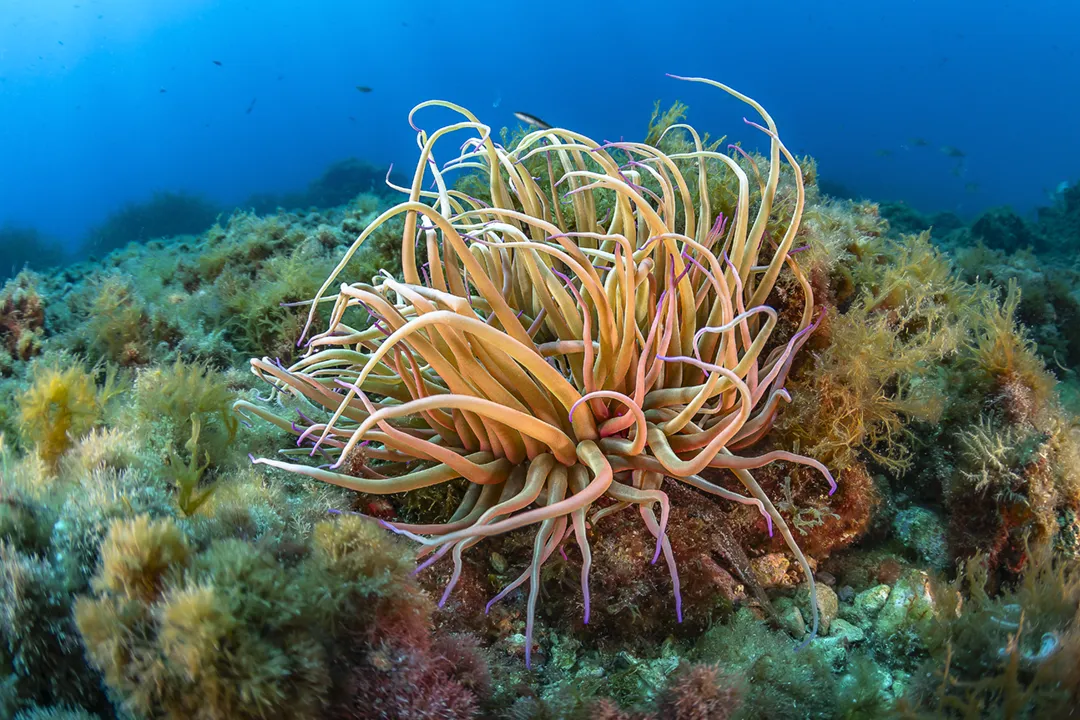
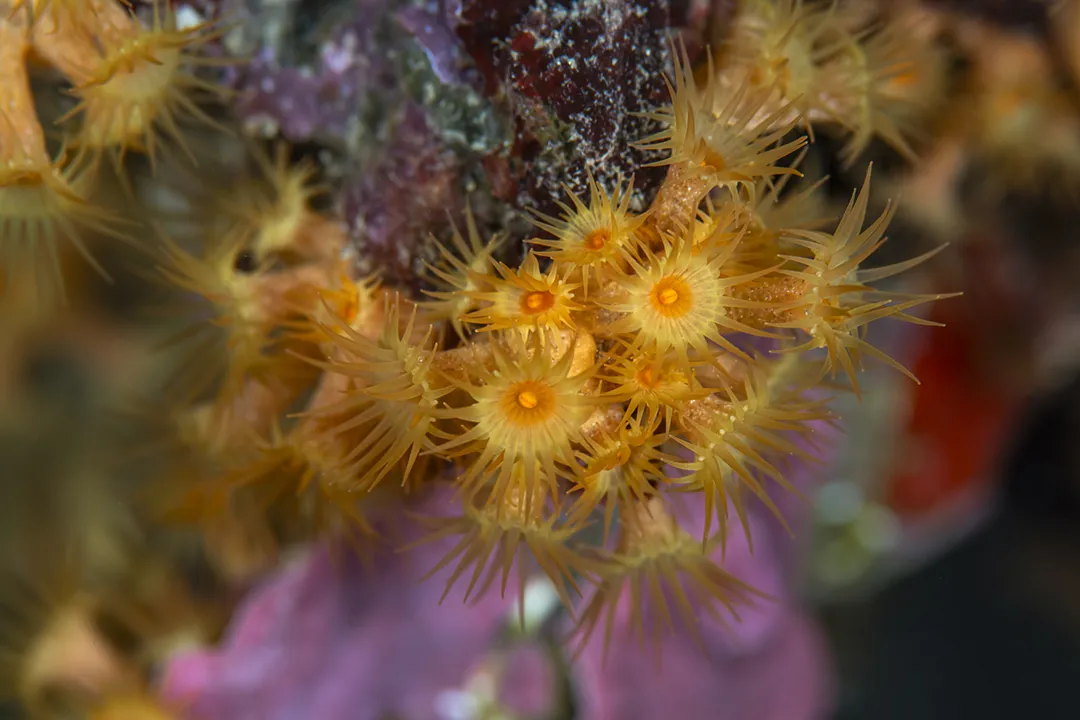
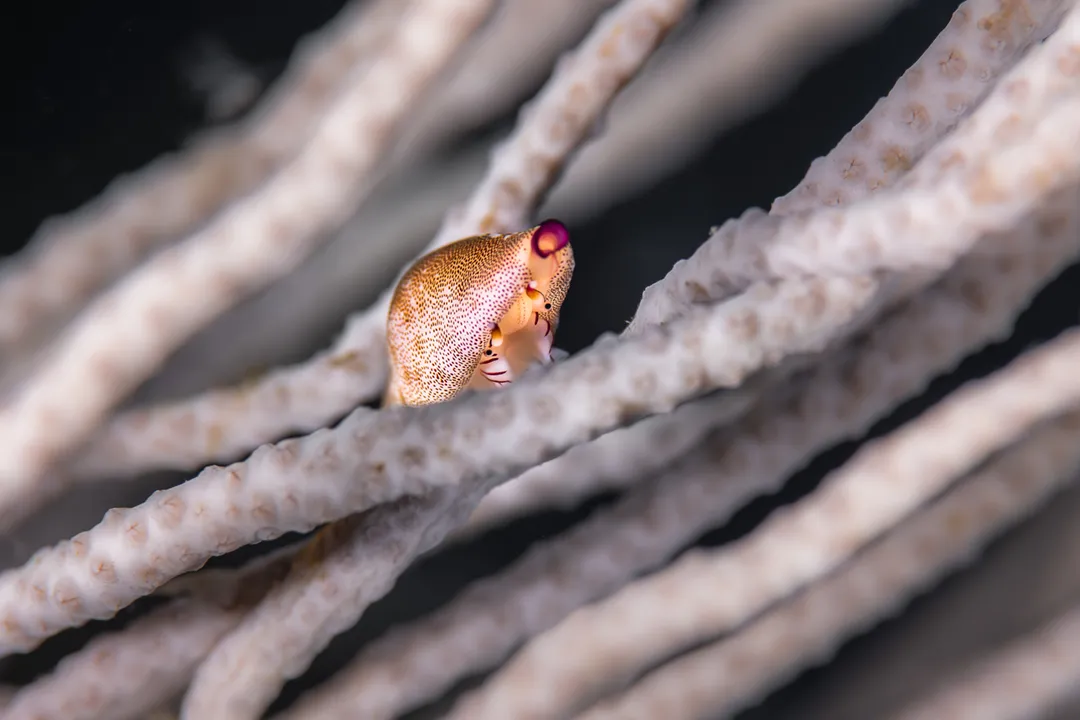
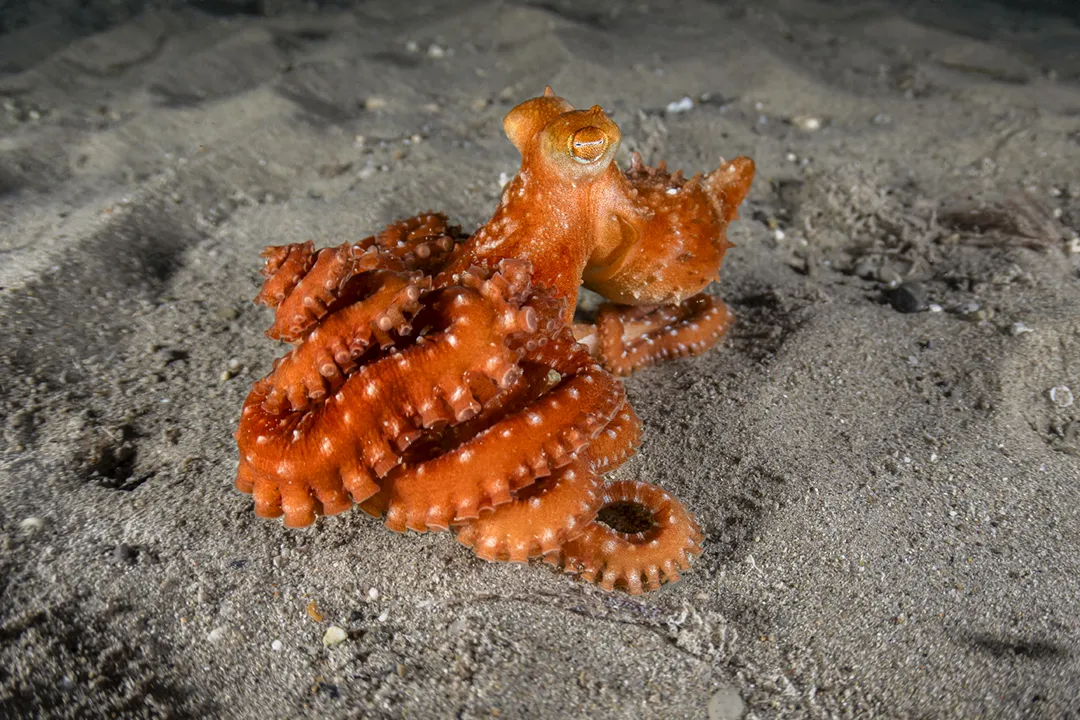

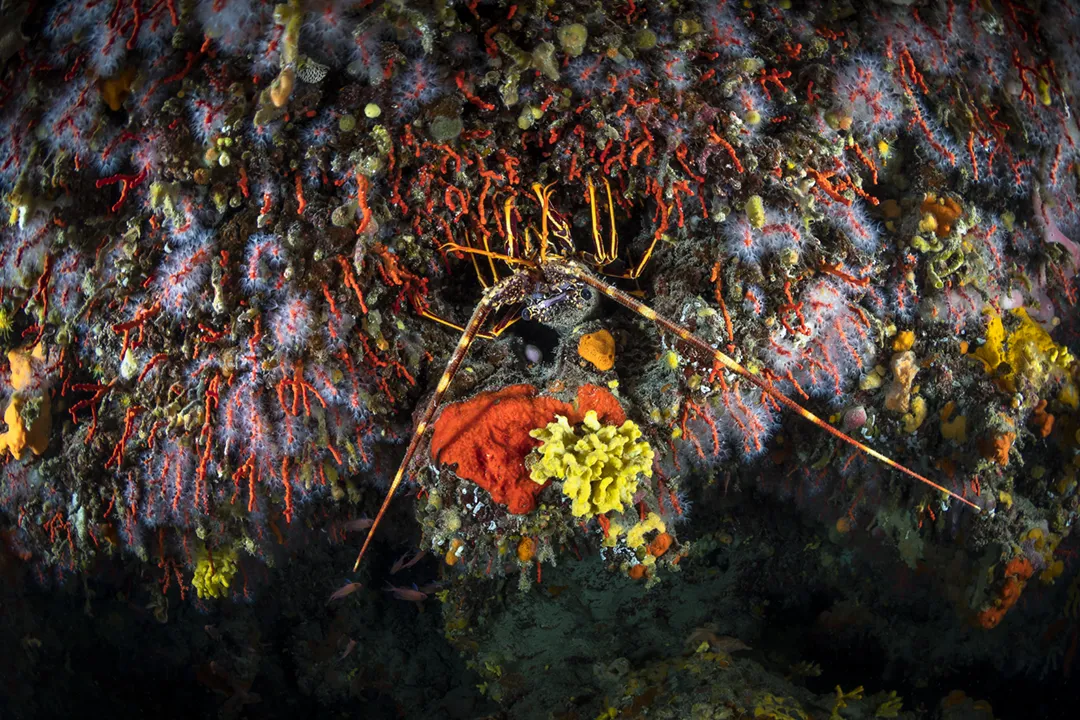
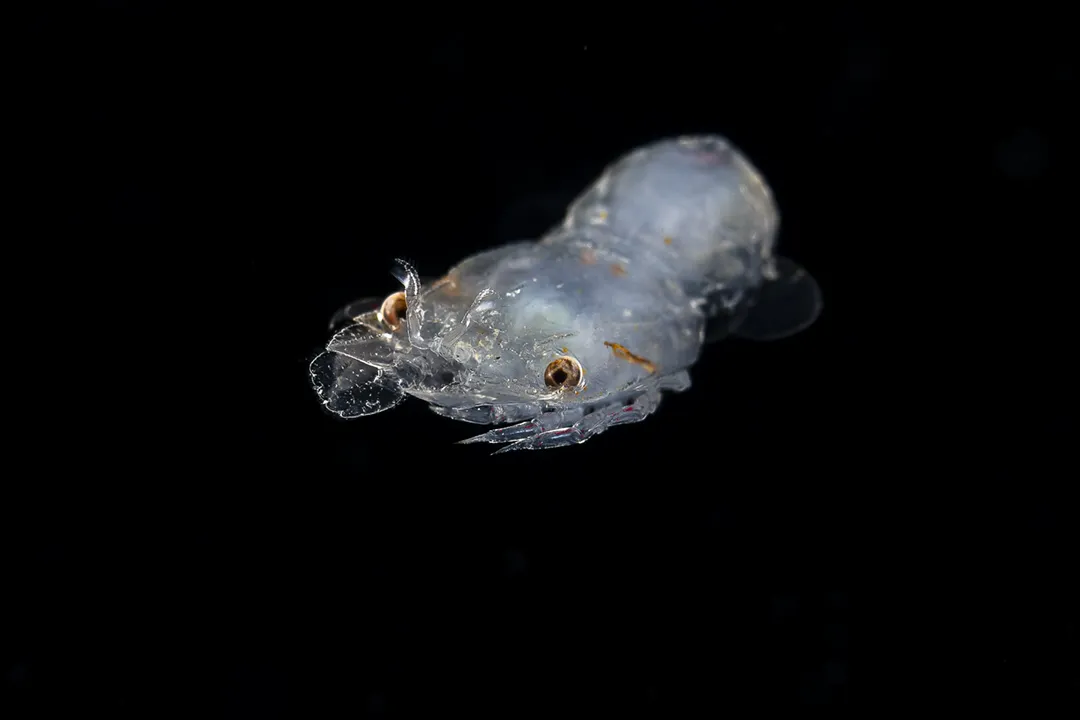
Invertebrates
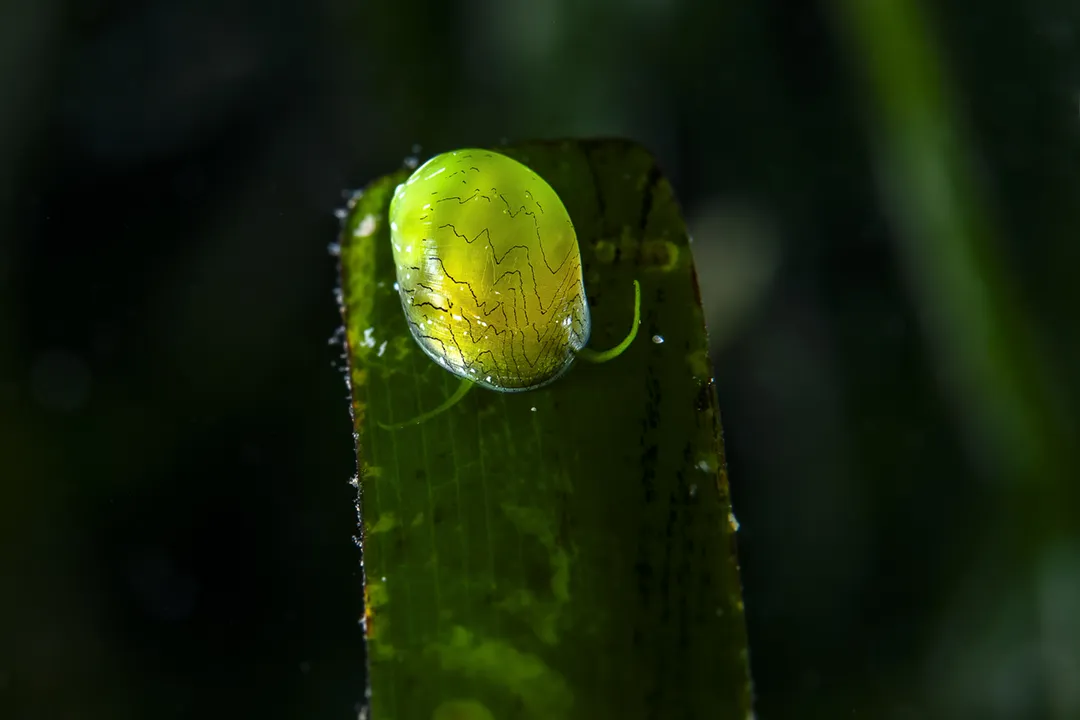
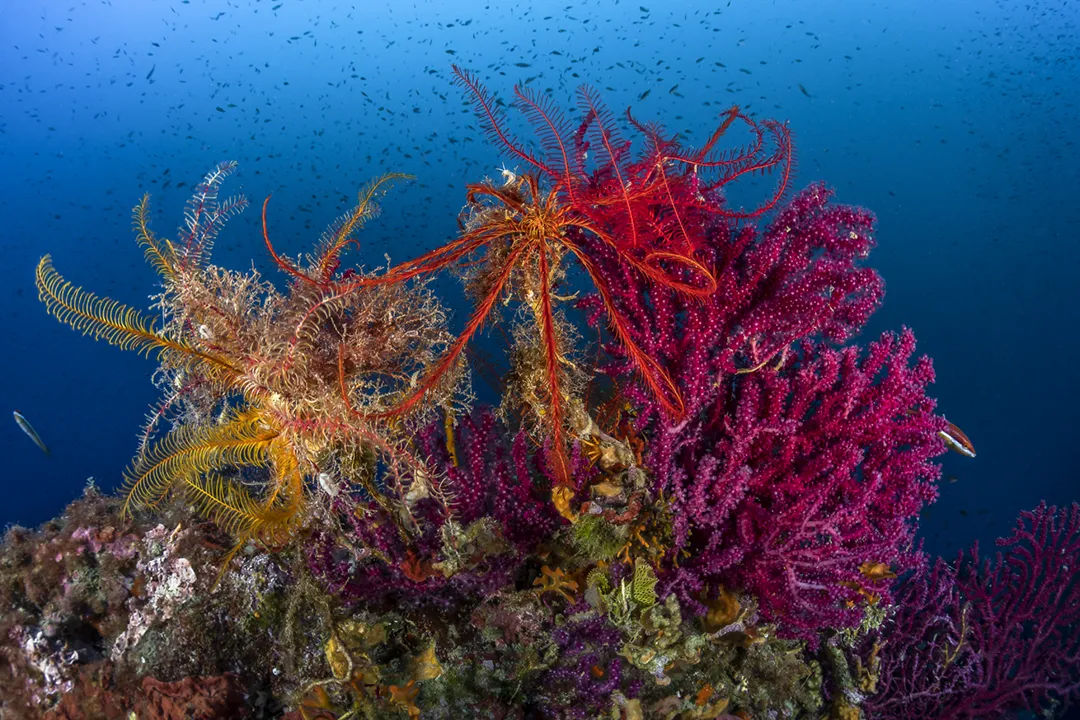
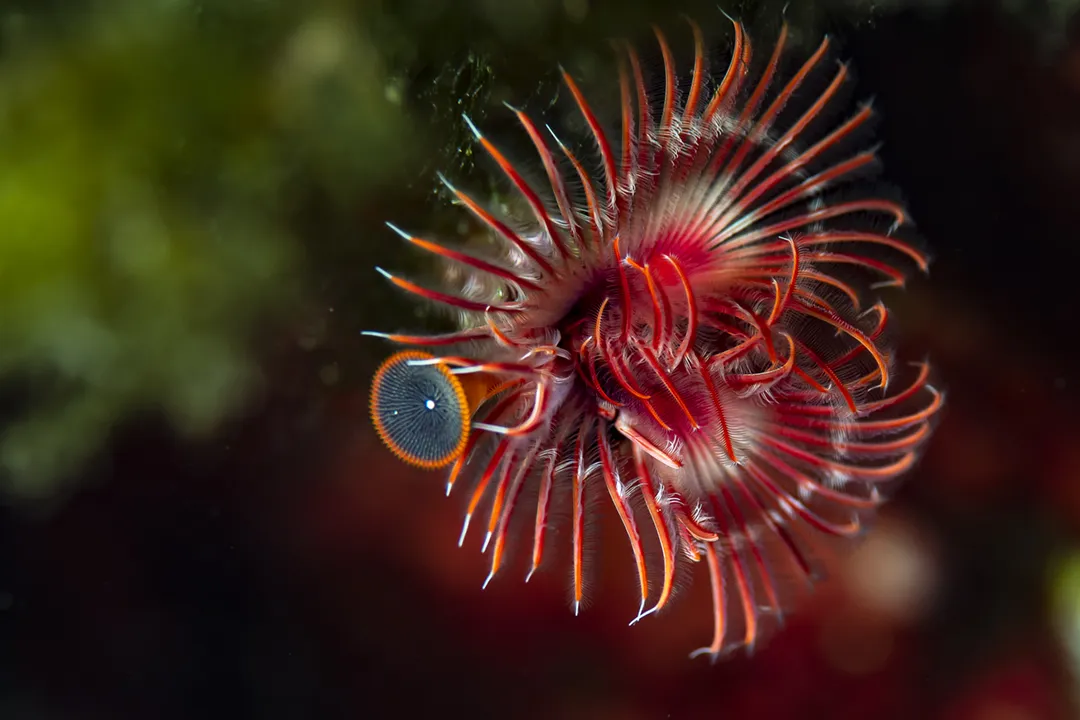
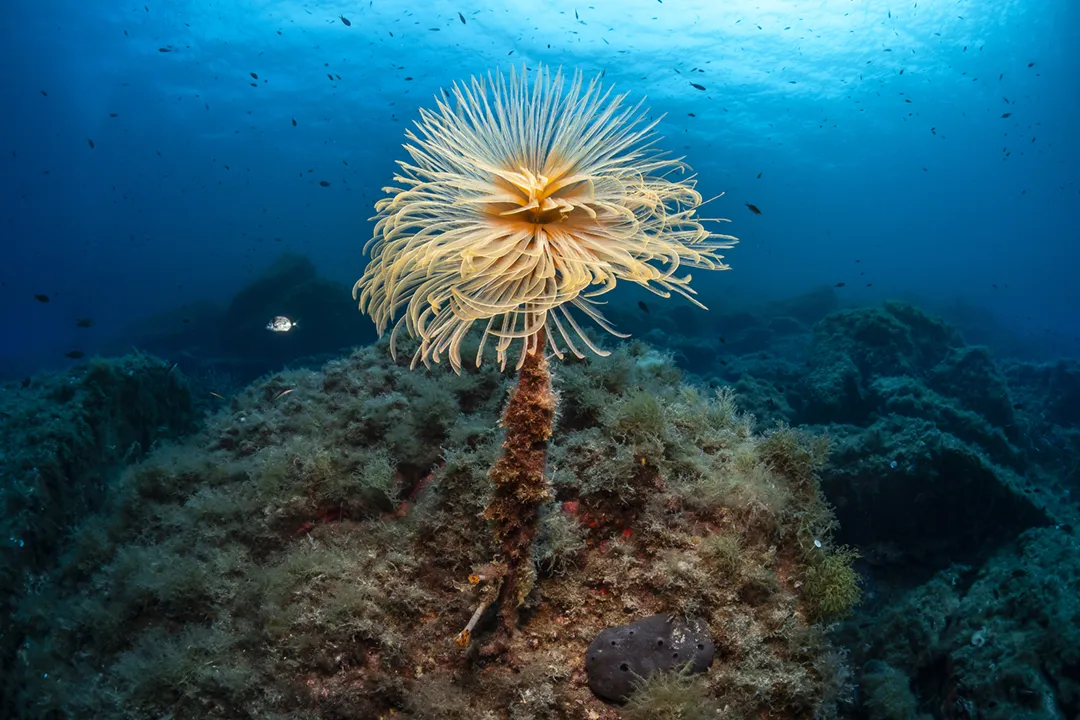
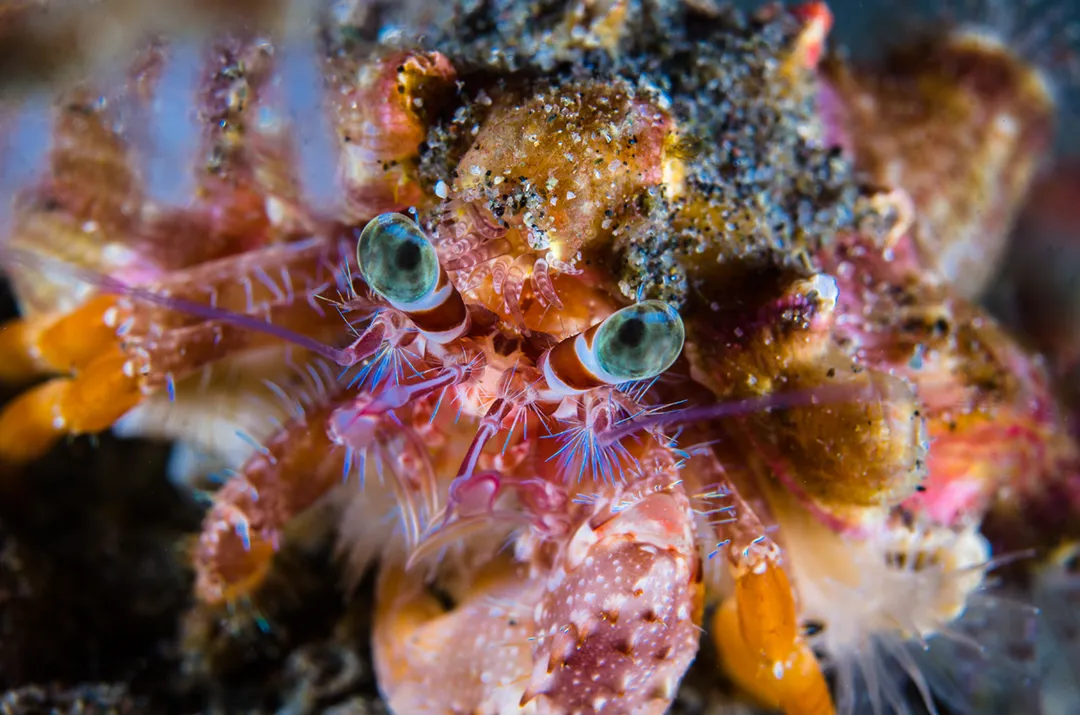
Corals, sponges, and mollusks, which create, filter, and provide habitats.
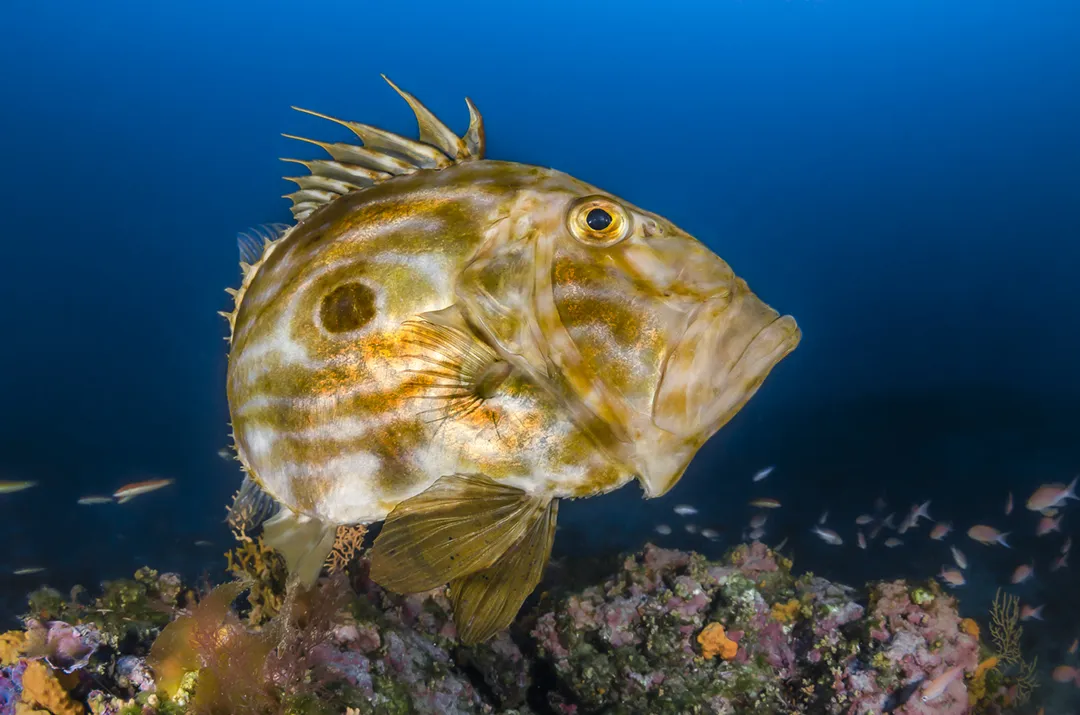
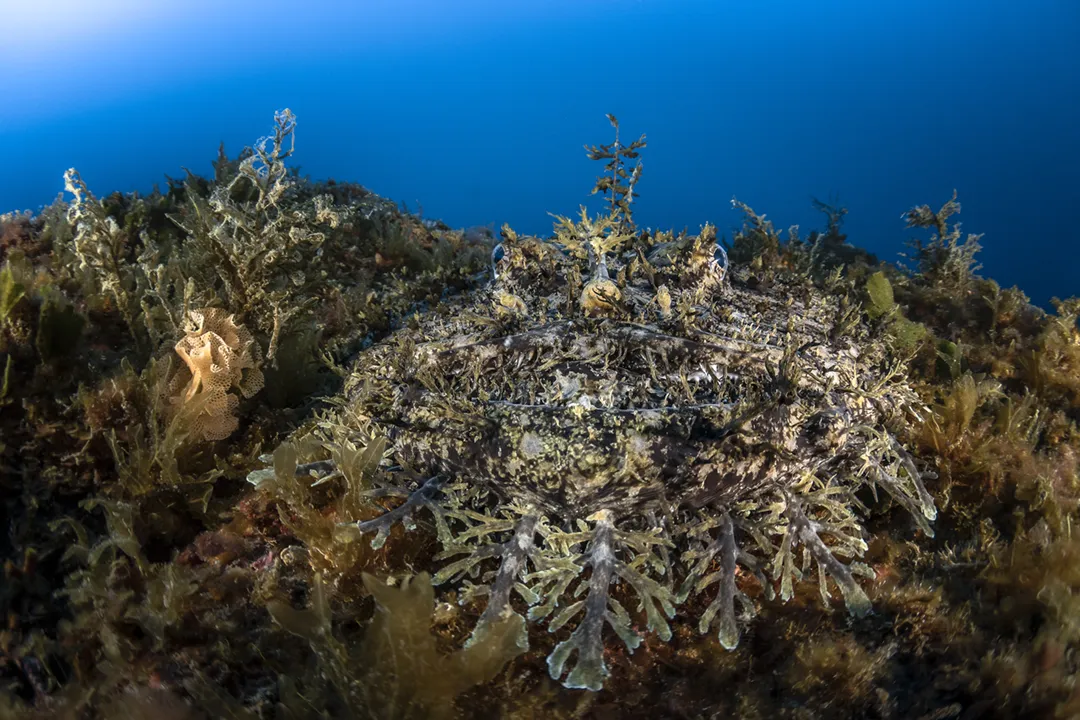
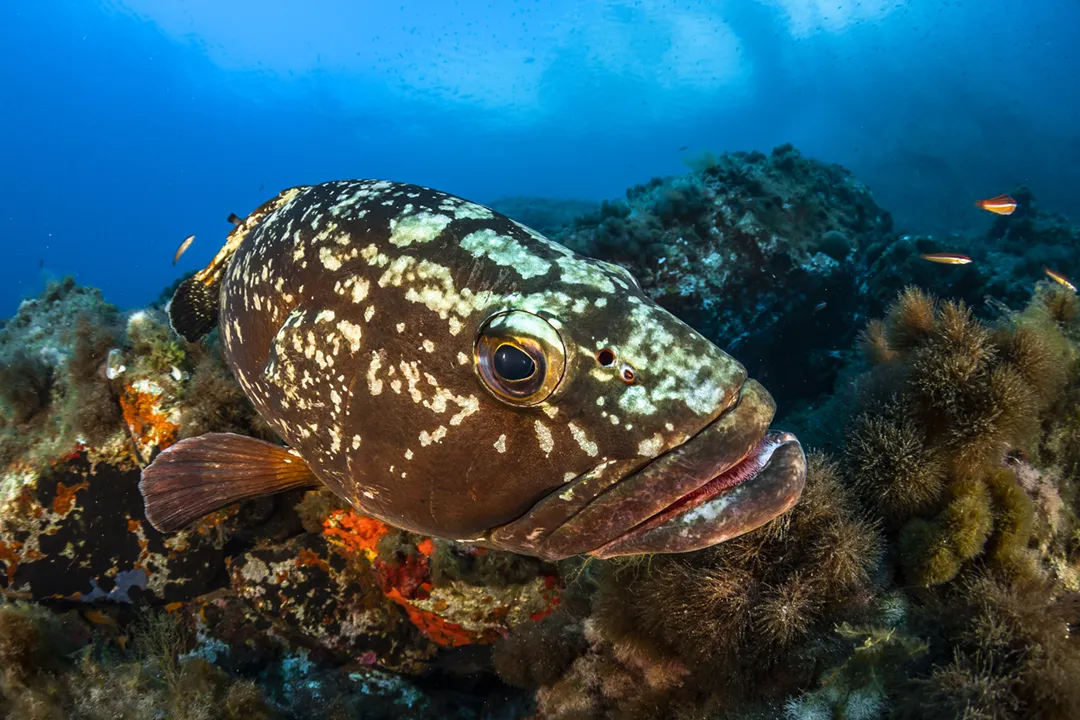
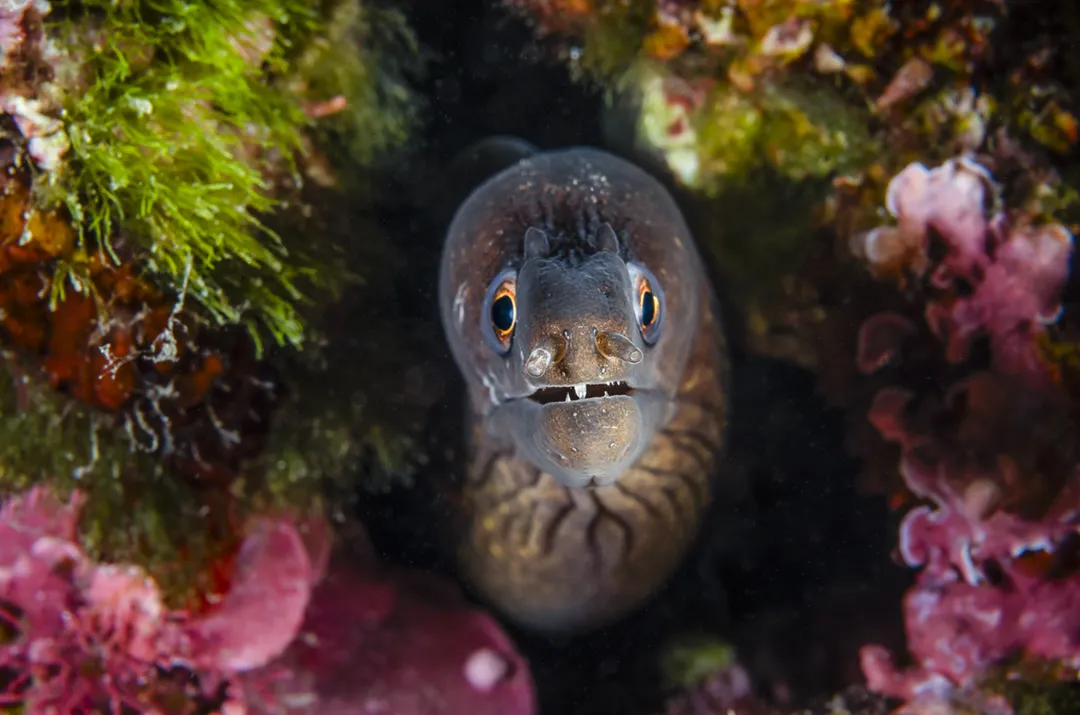
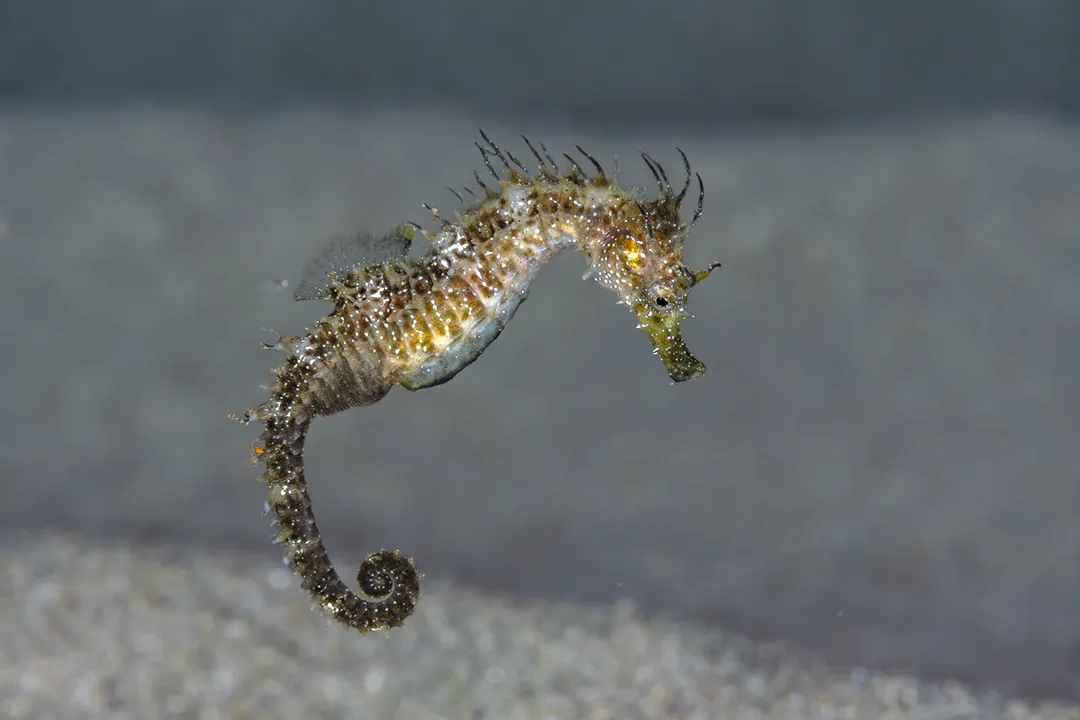
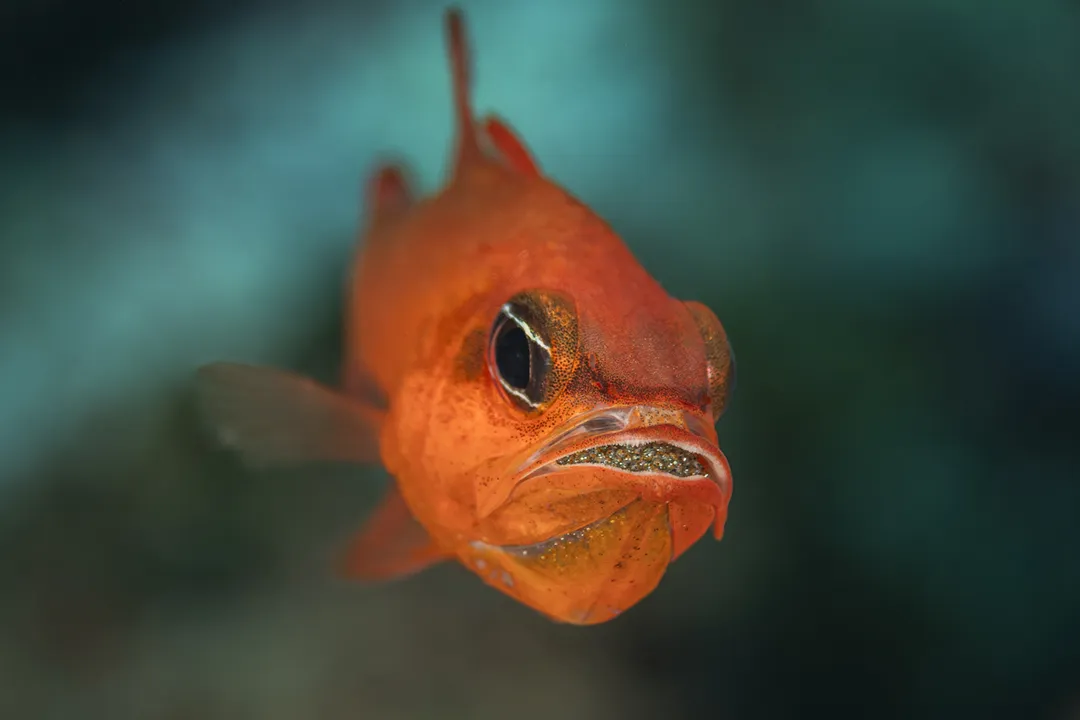
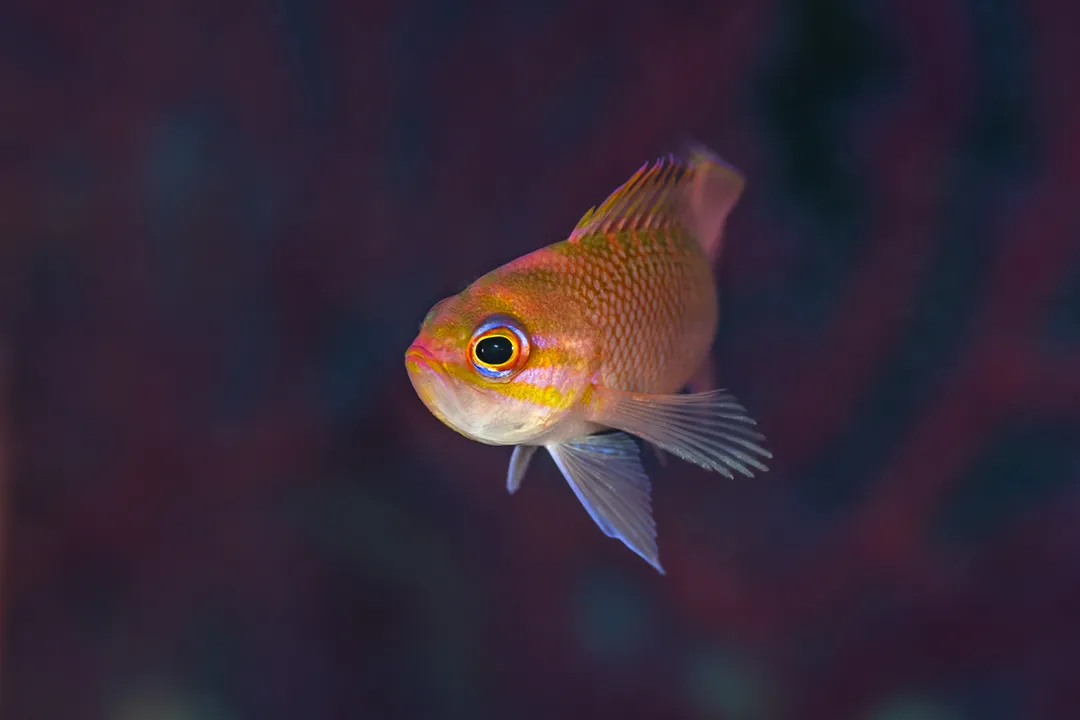
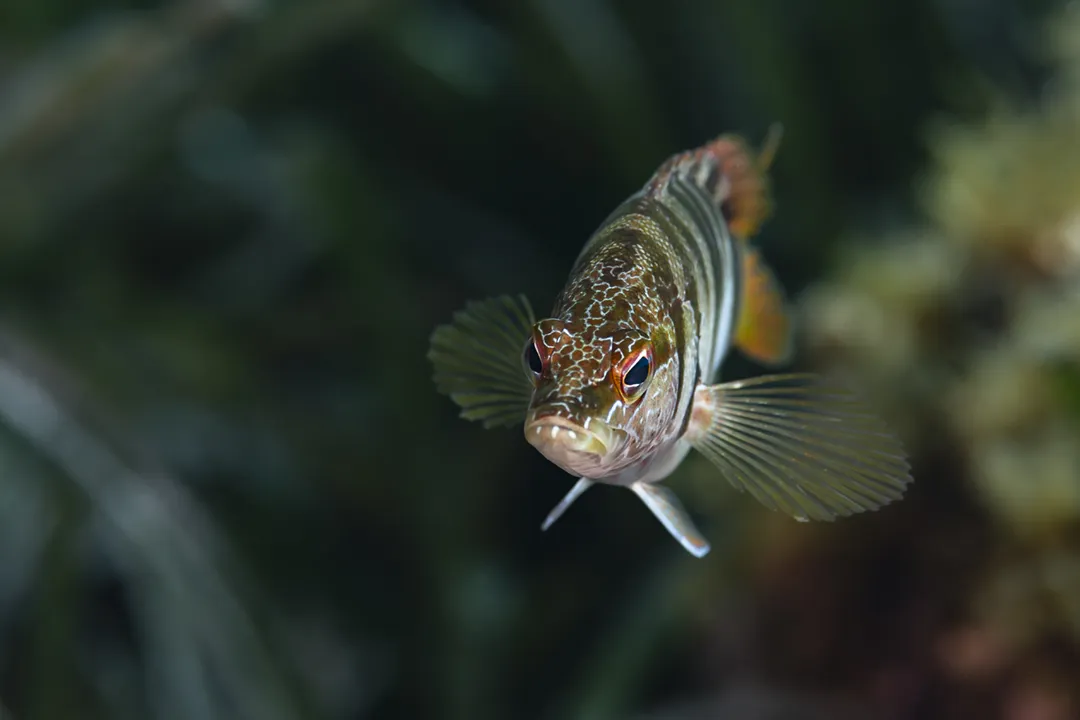
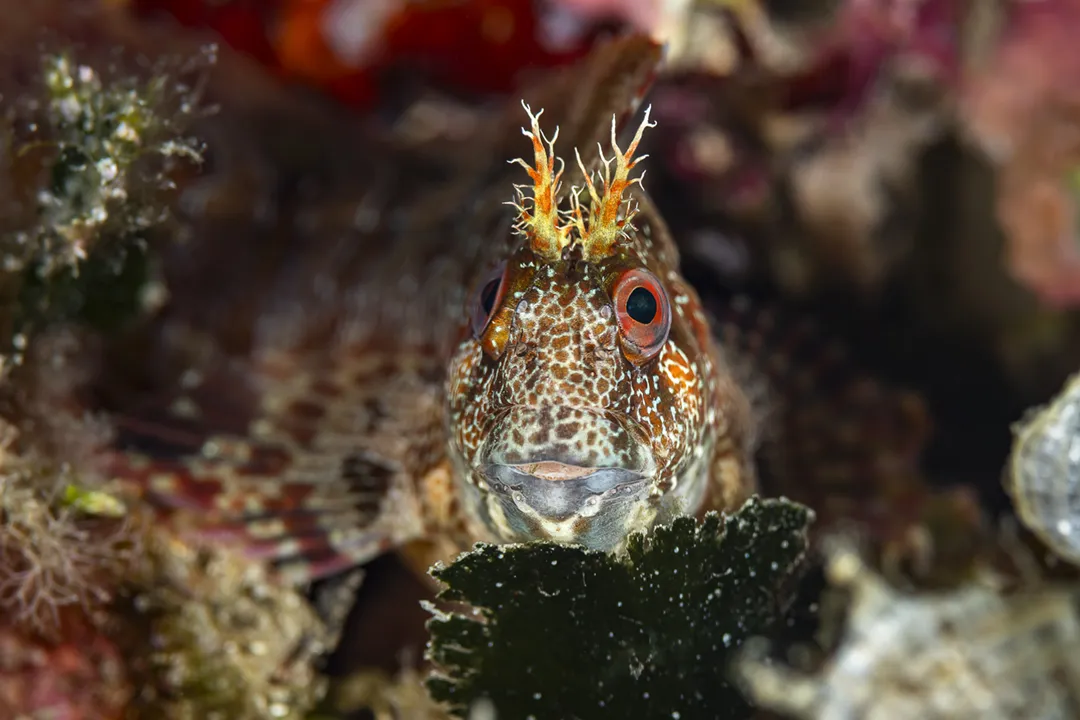
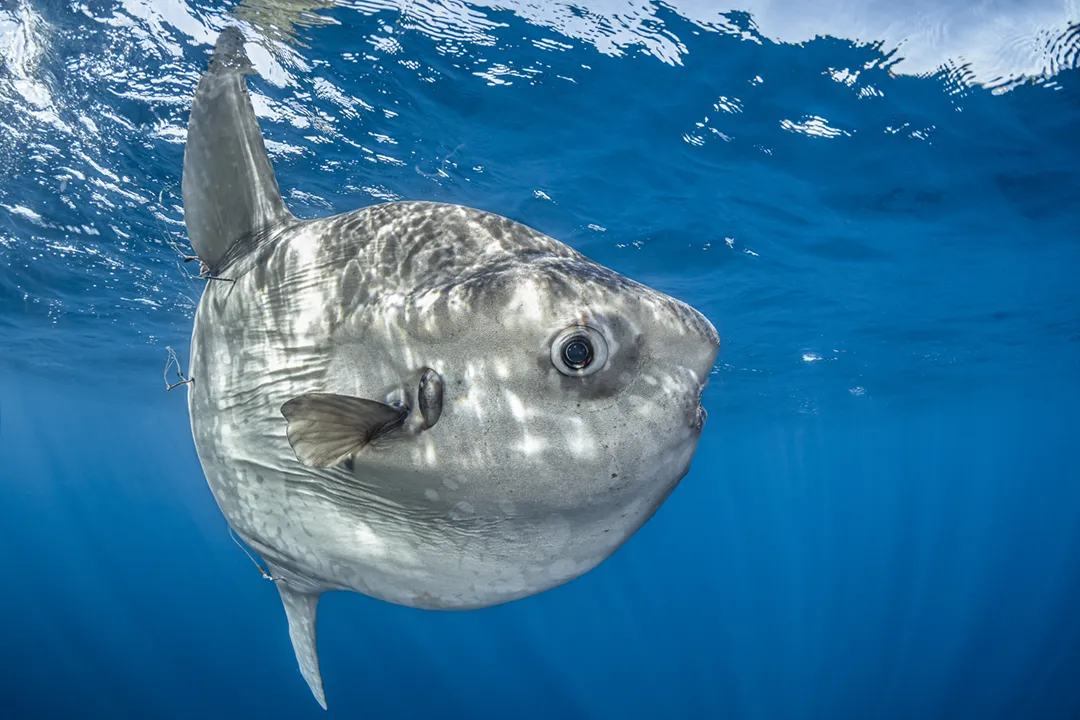
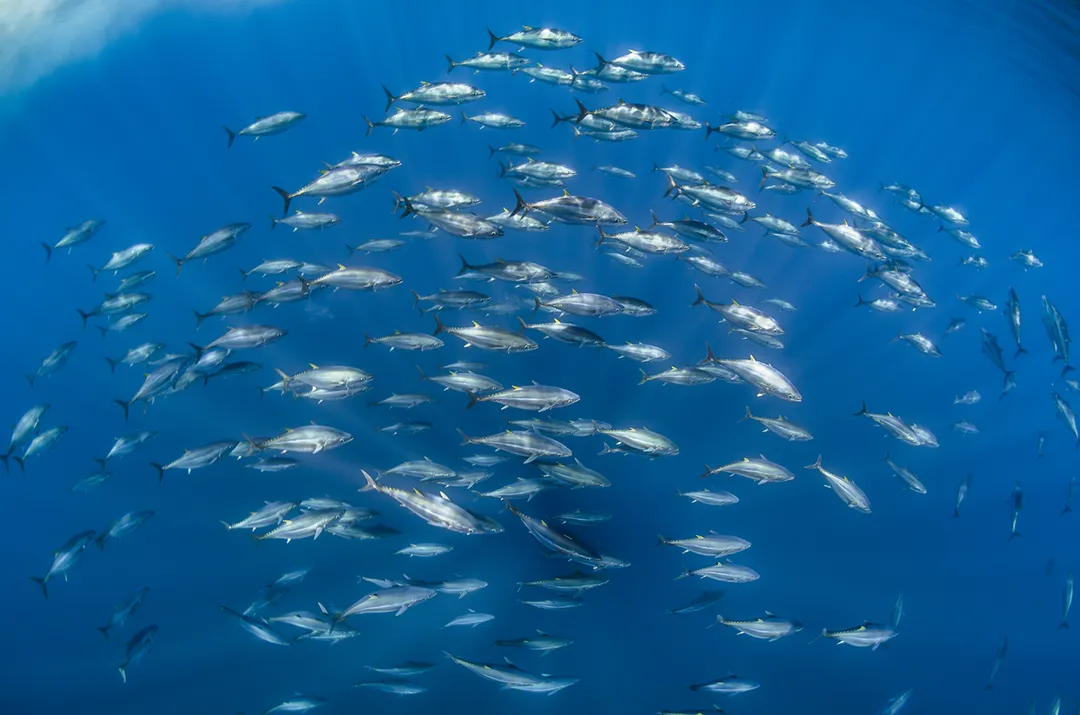
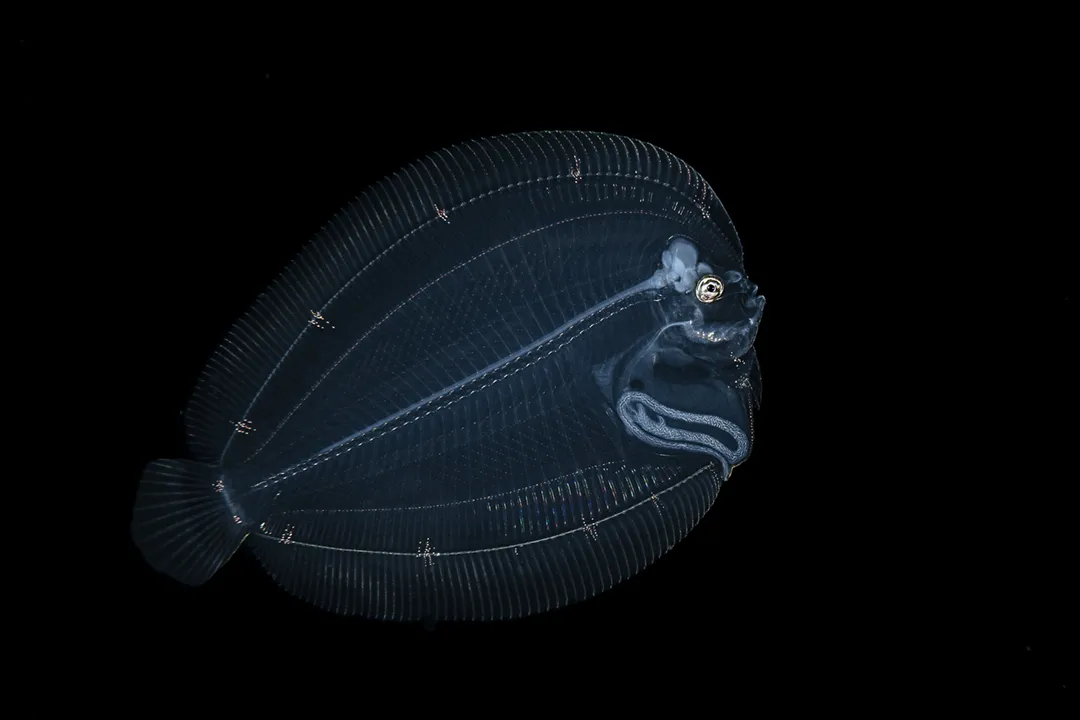
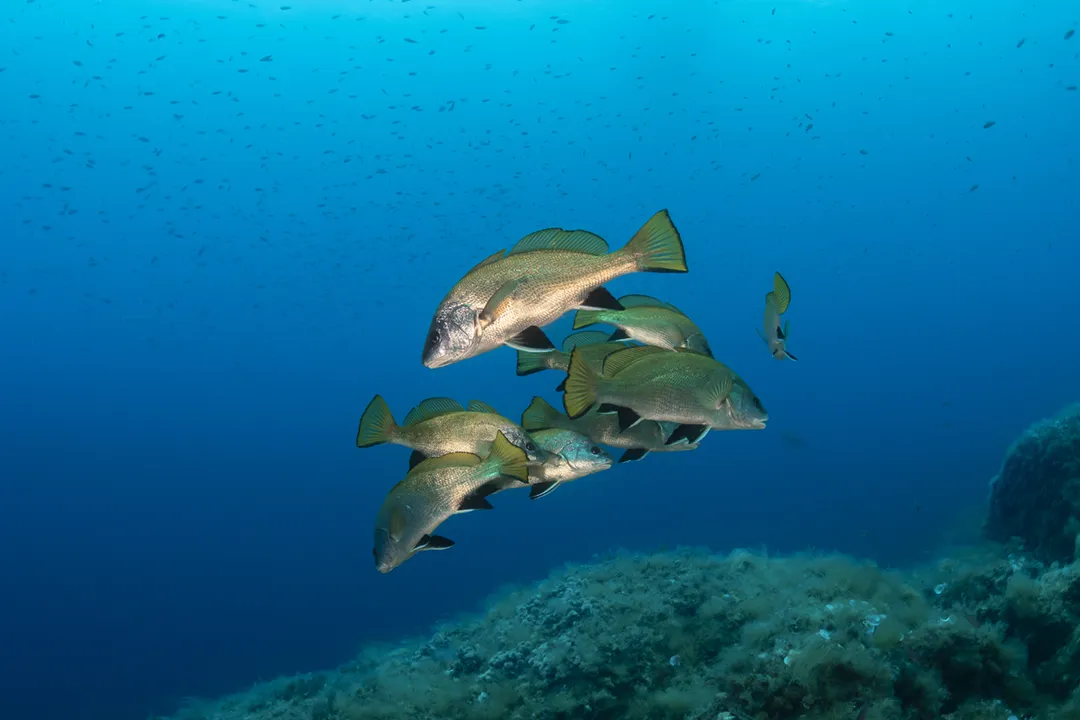
Bony Fish
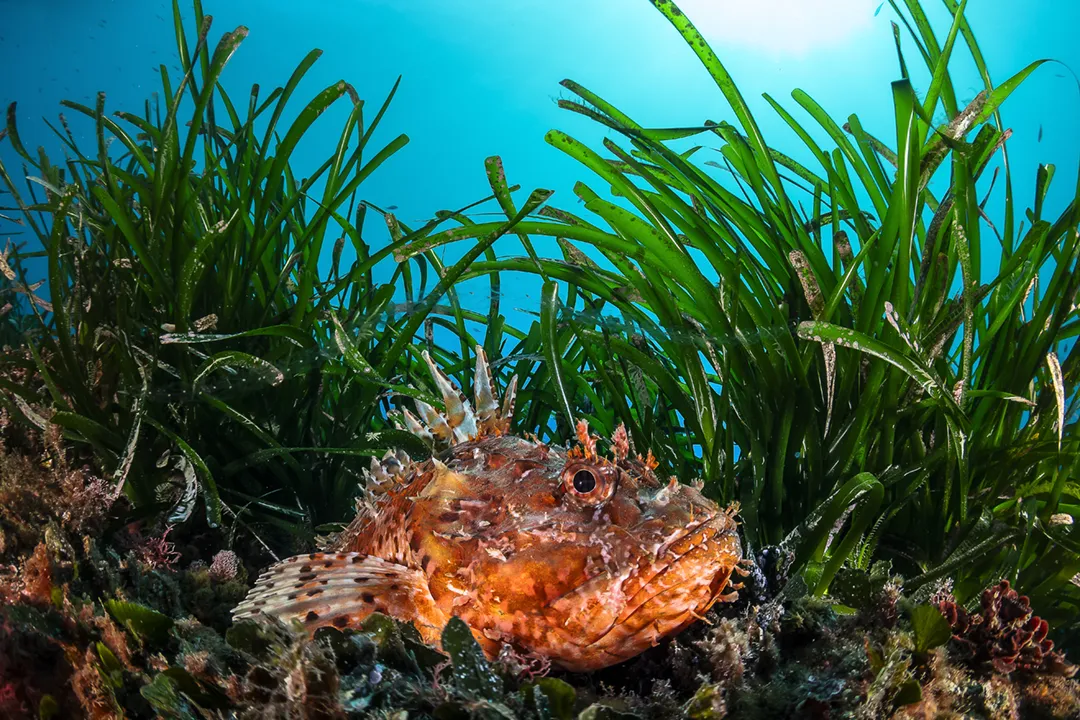
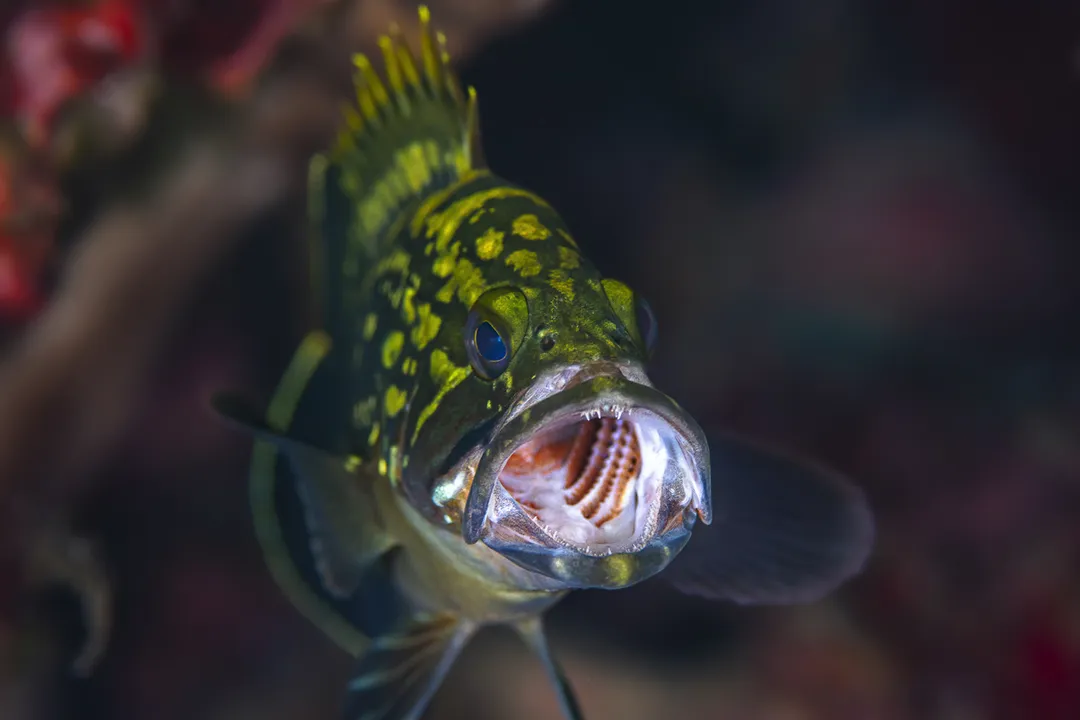
From schools of sardines to predators such as bluefin tuna.
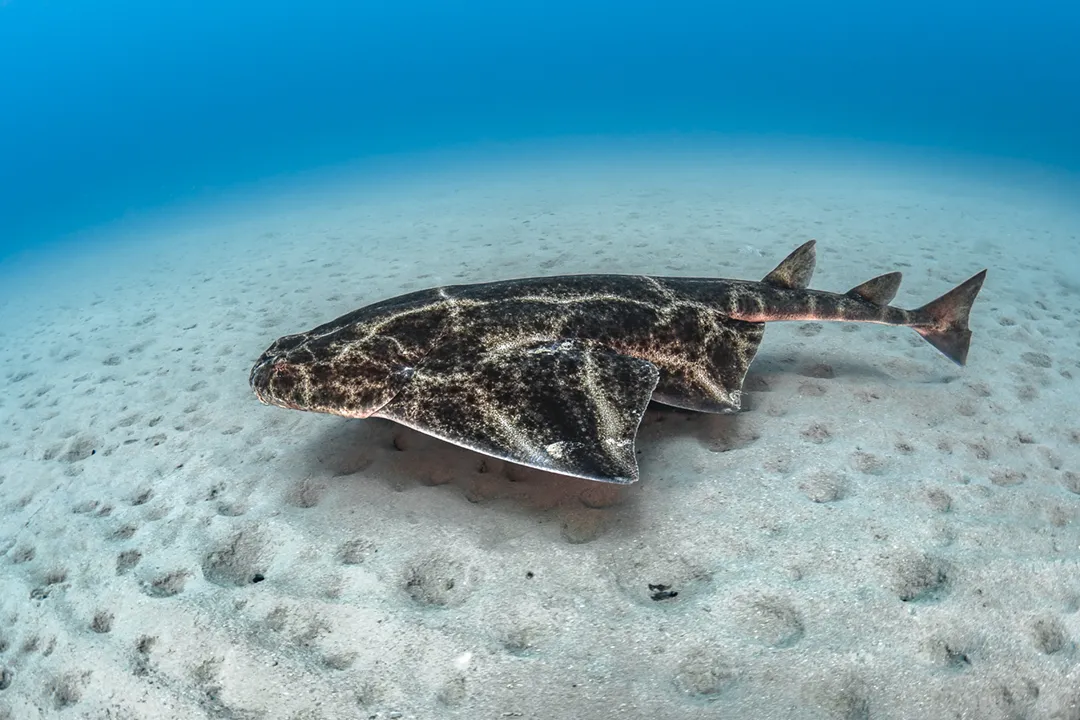
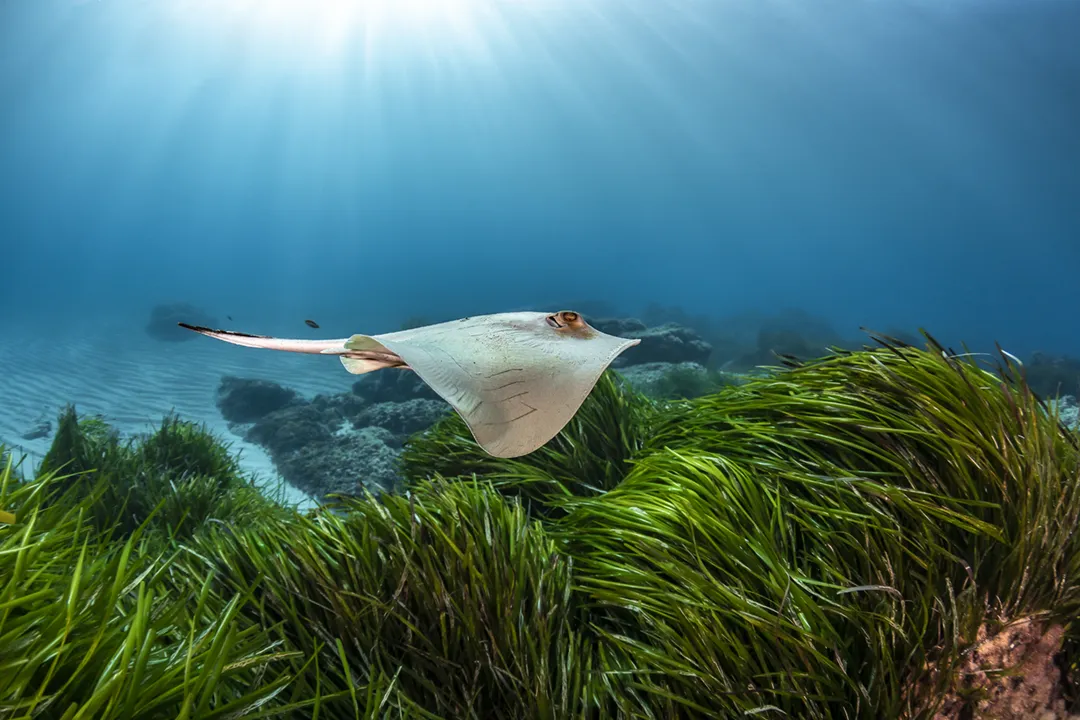
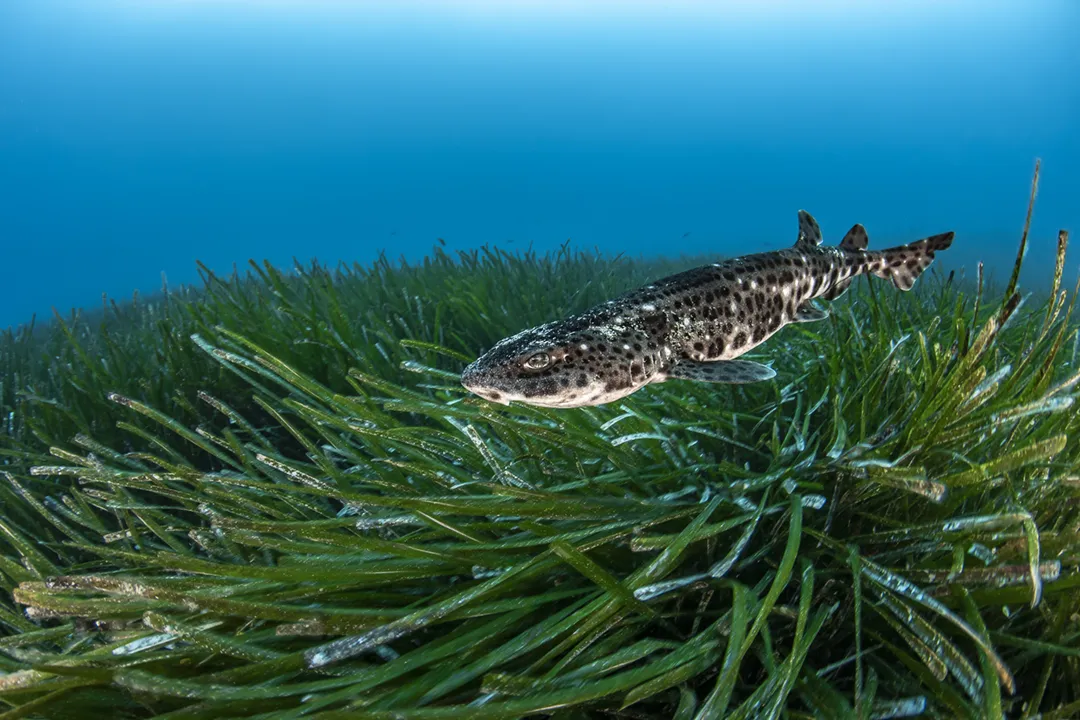
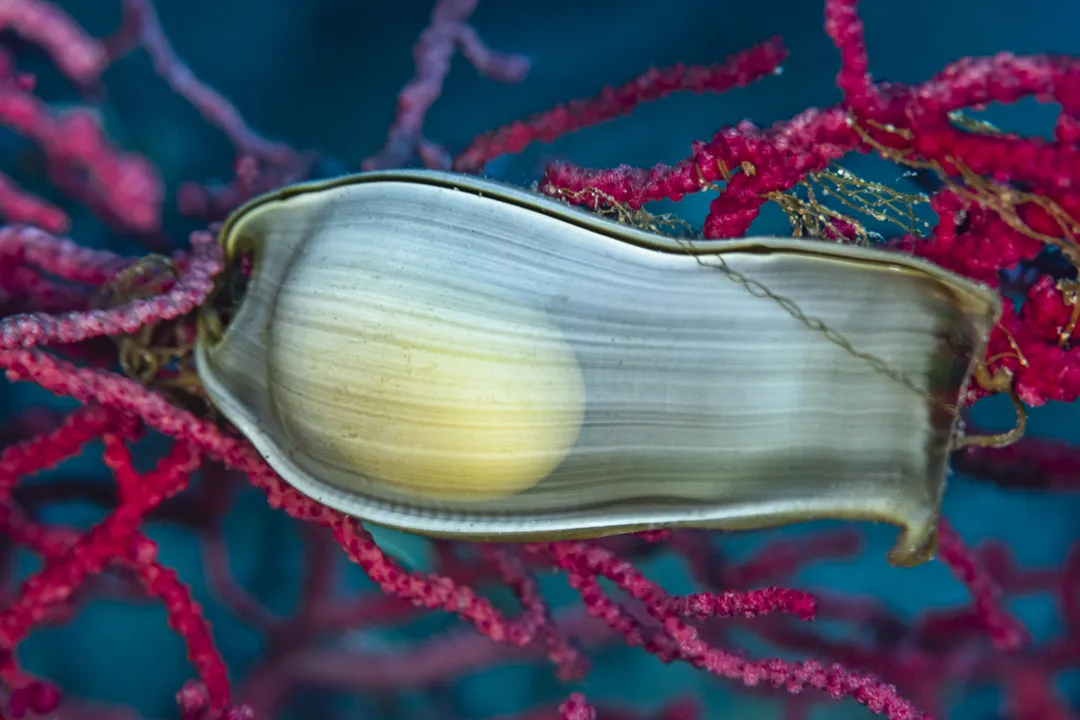
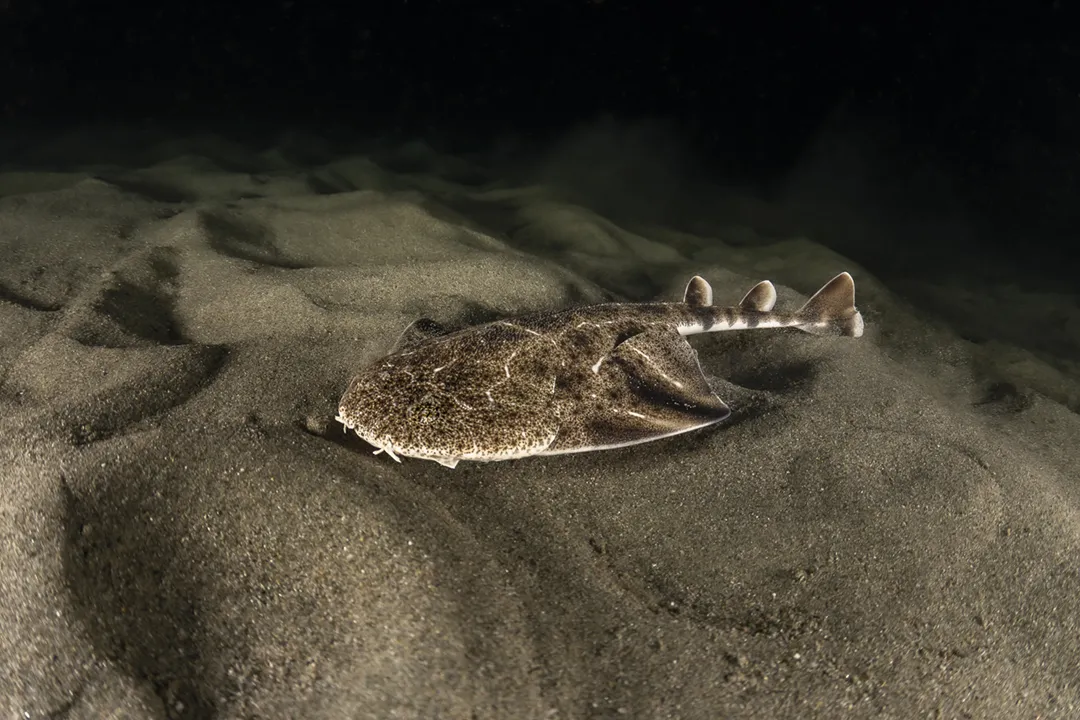
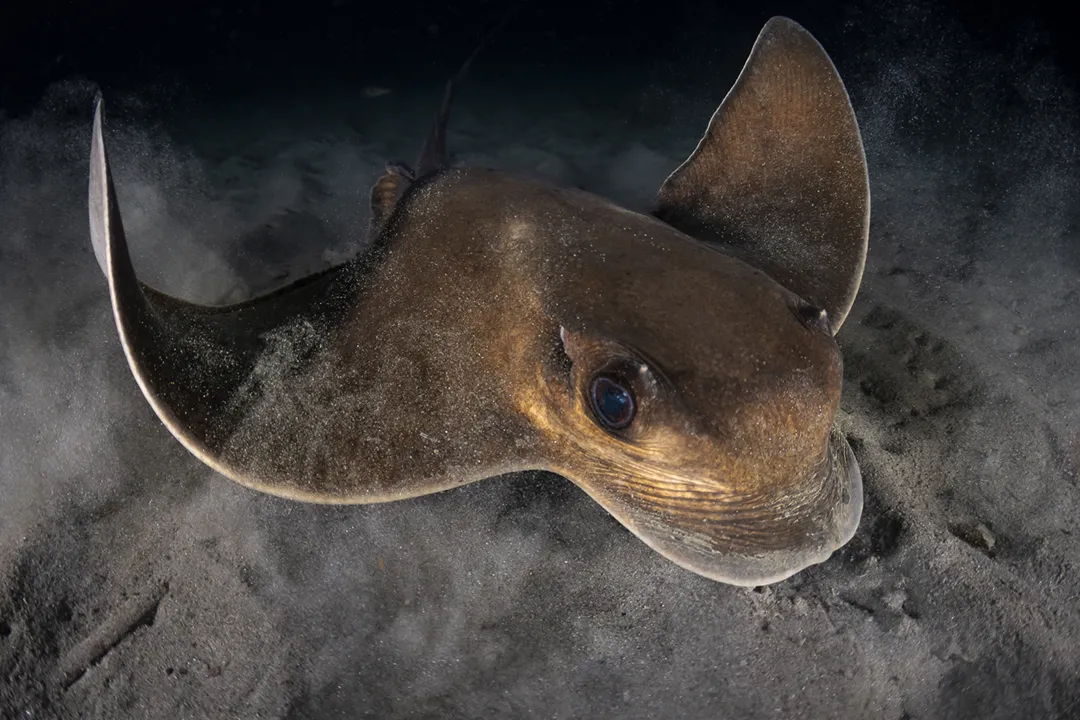
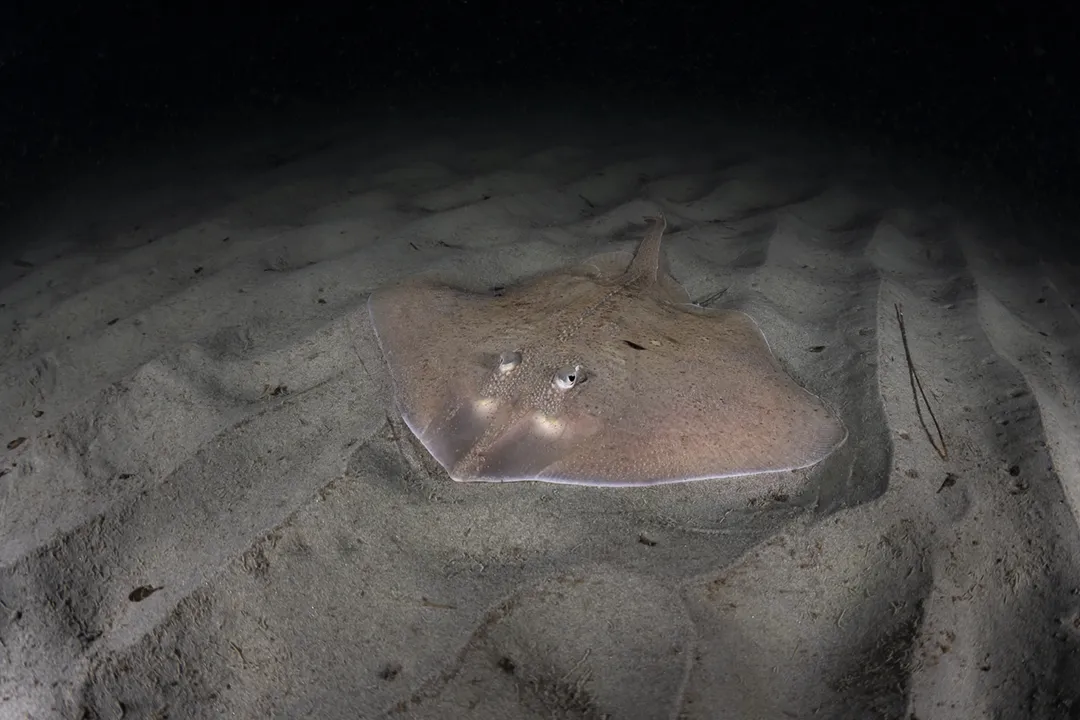
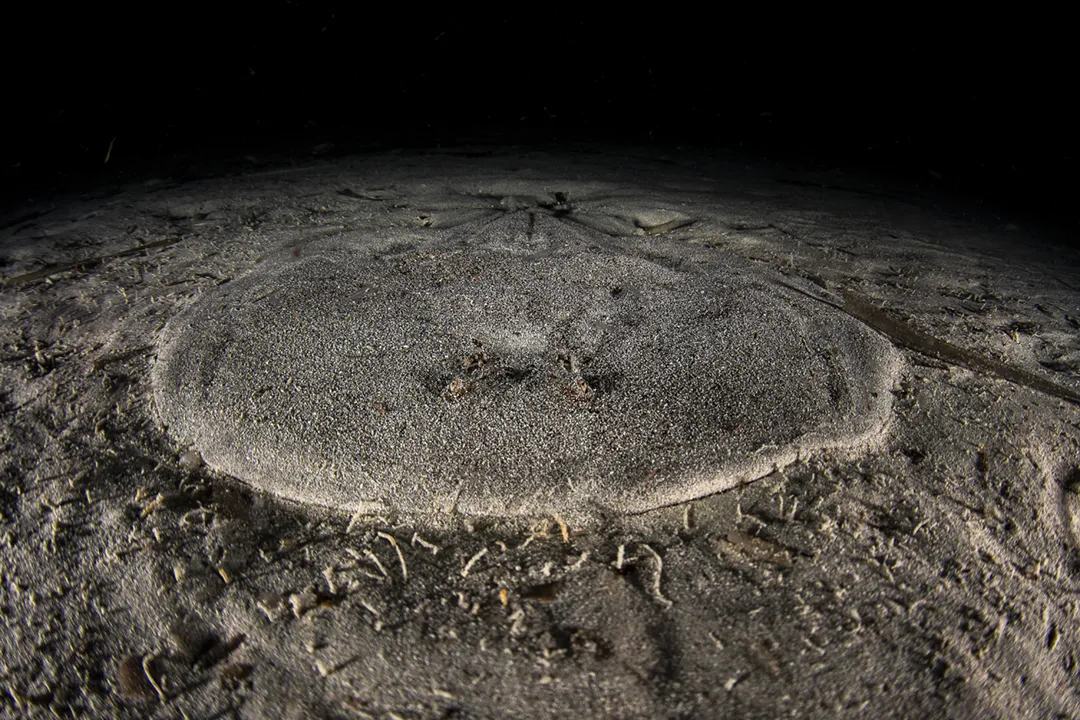
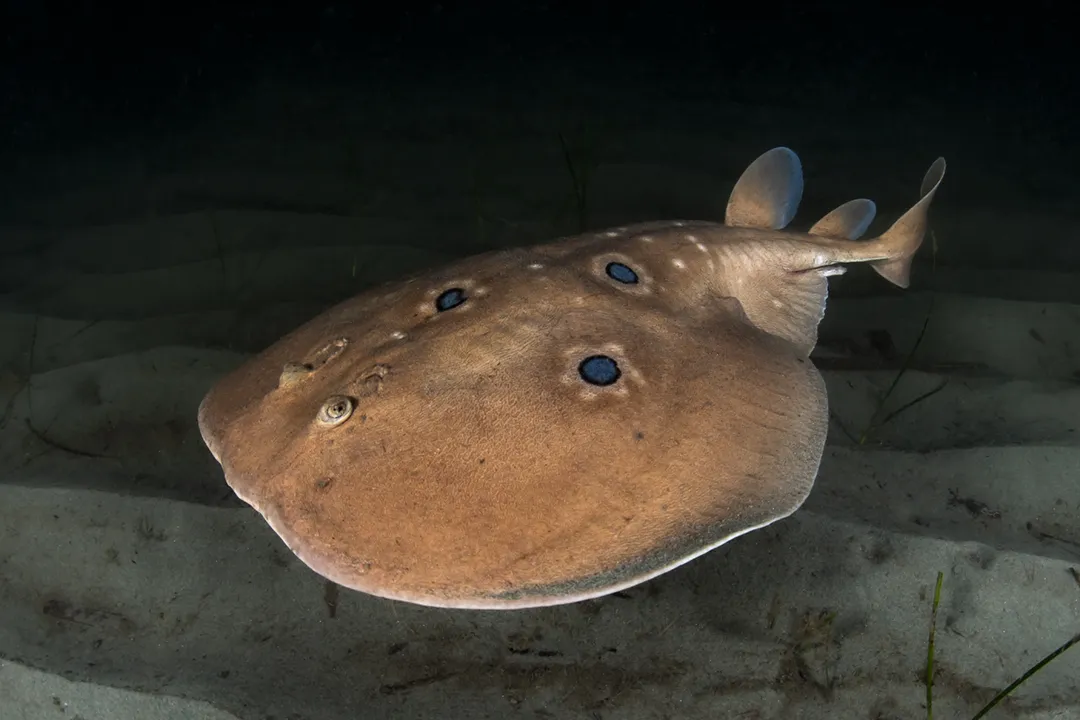
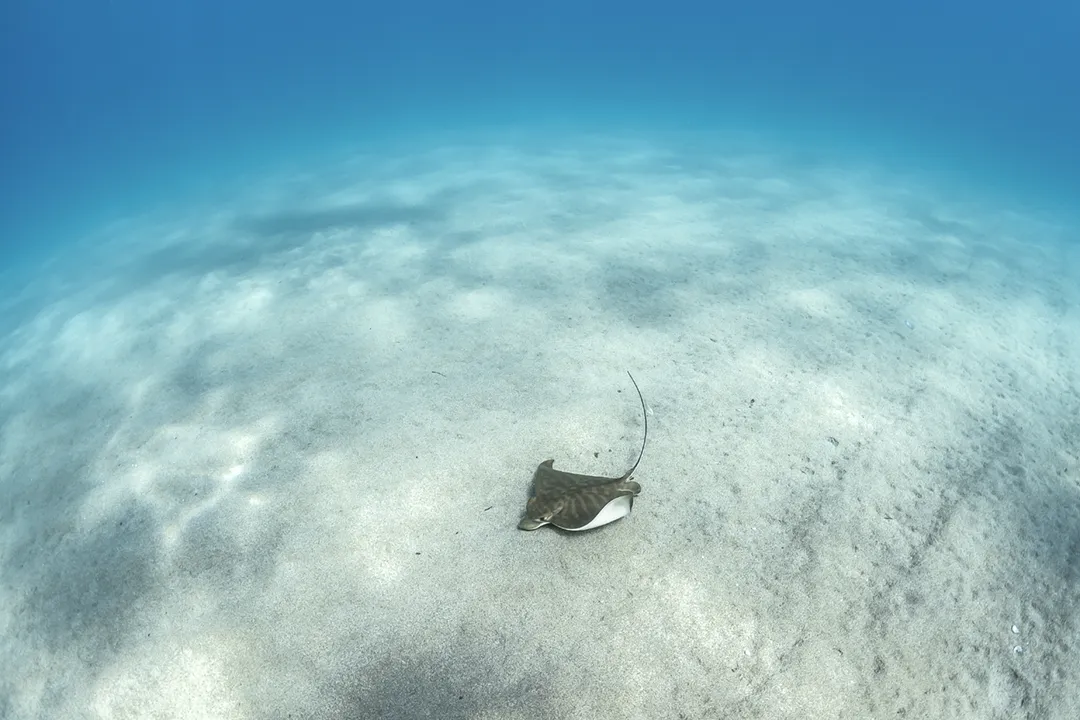
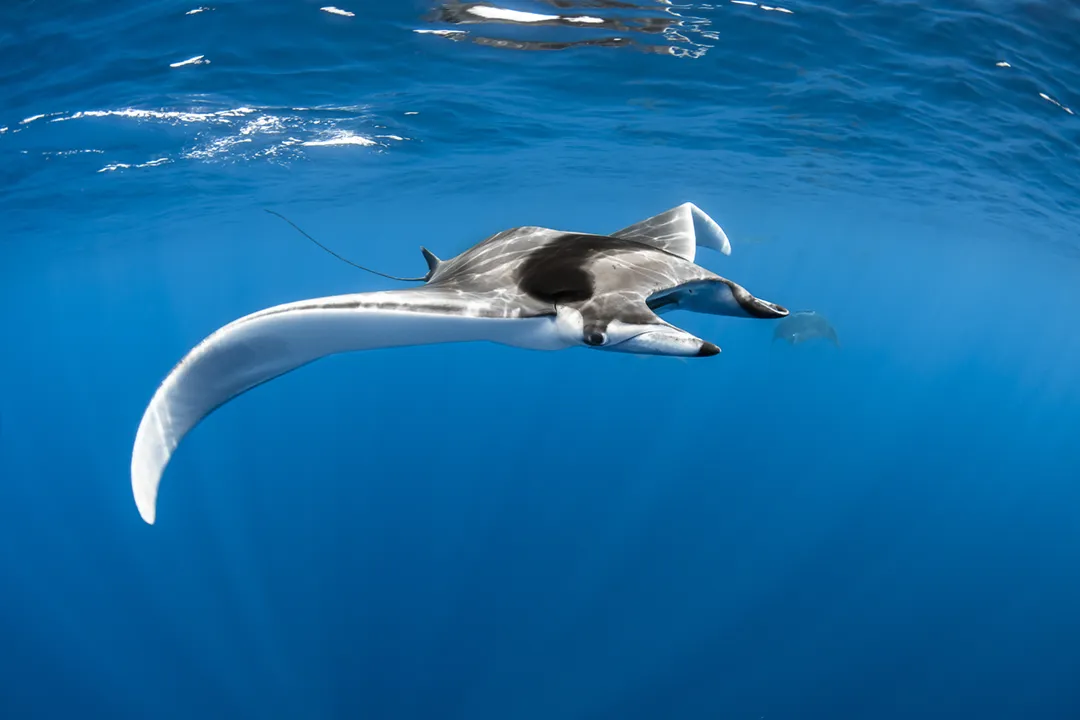
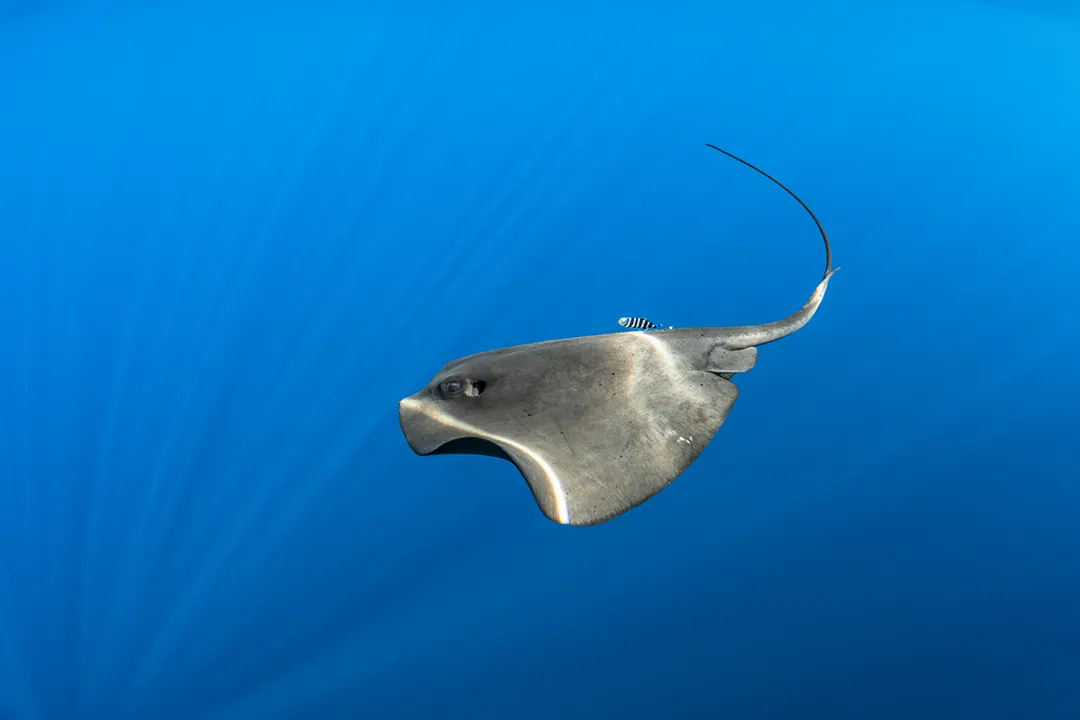
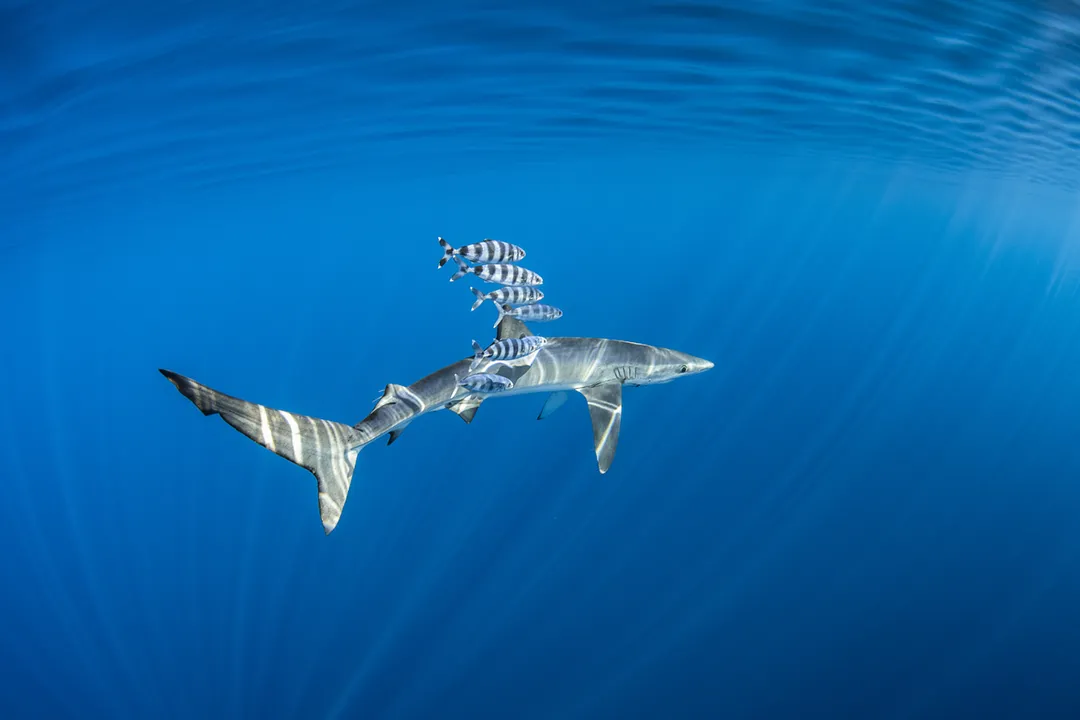
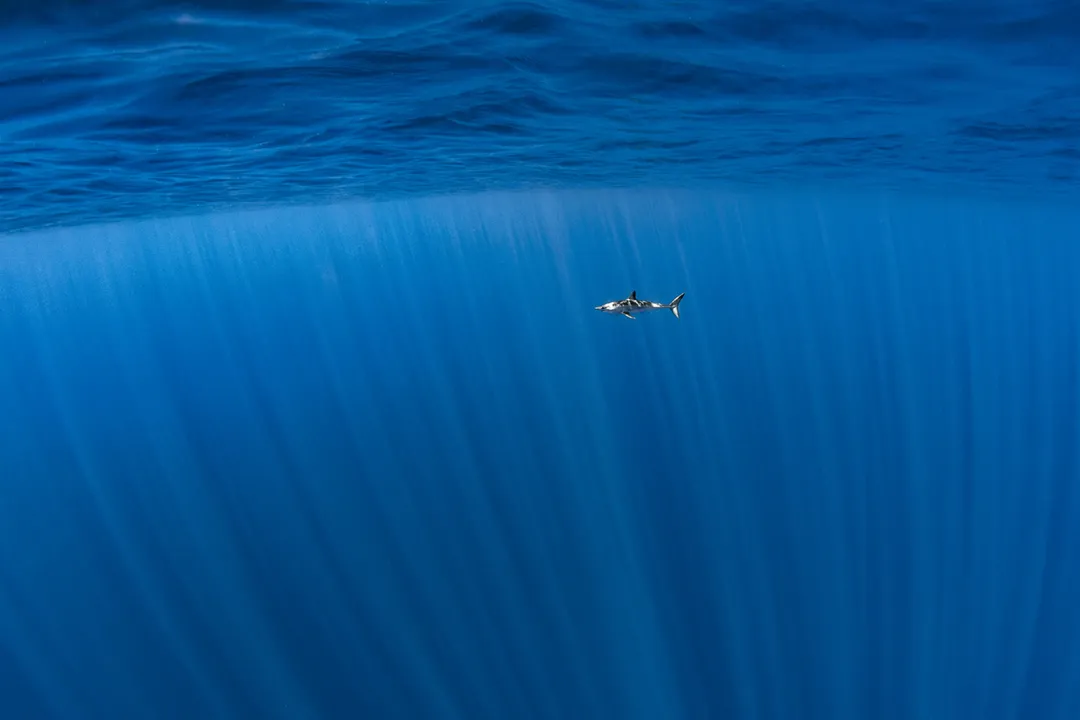
Elasmobranchs
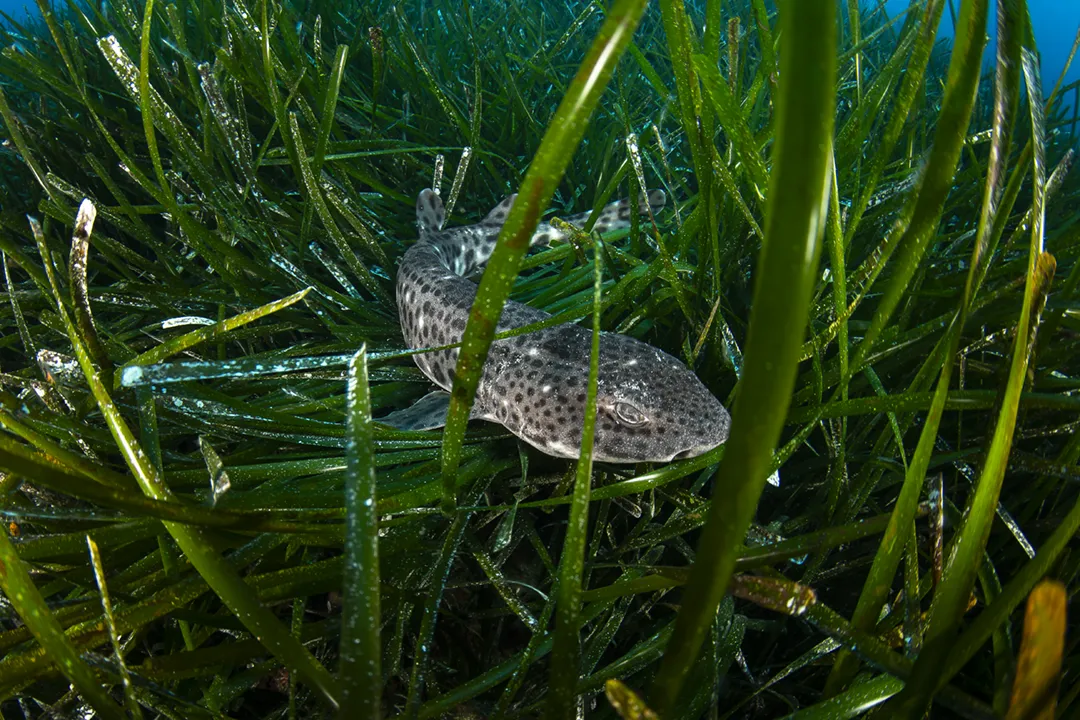
Cartilaginous fish, such as rays and sharks.
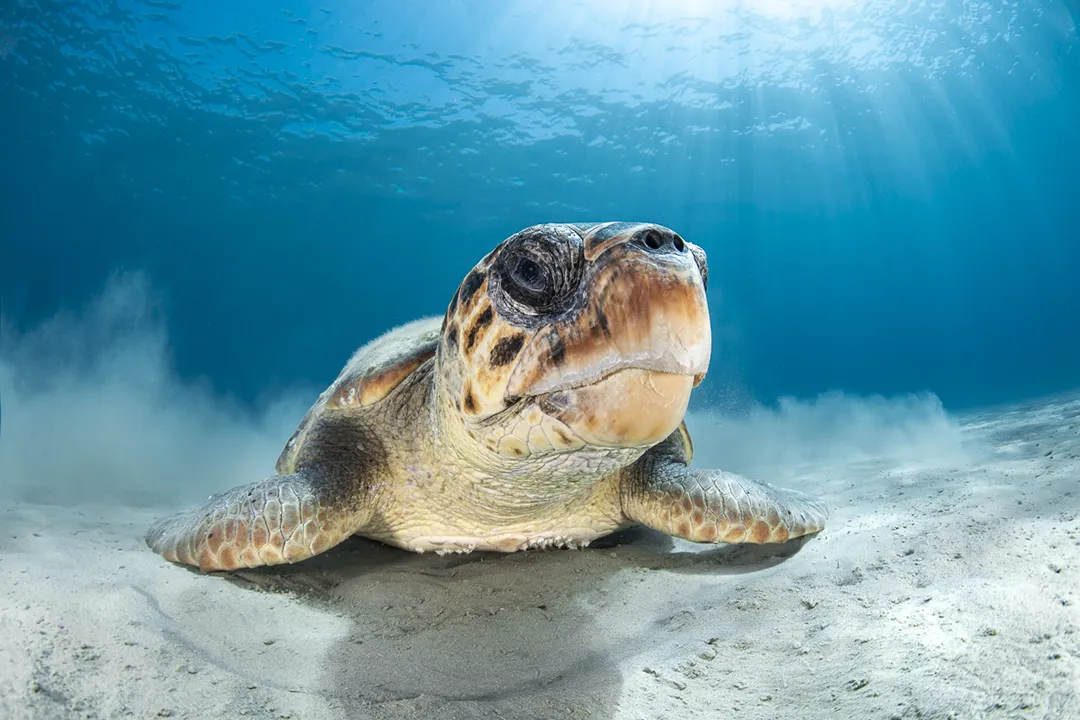
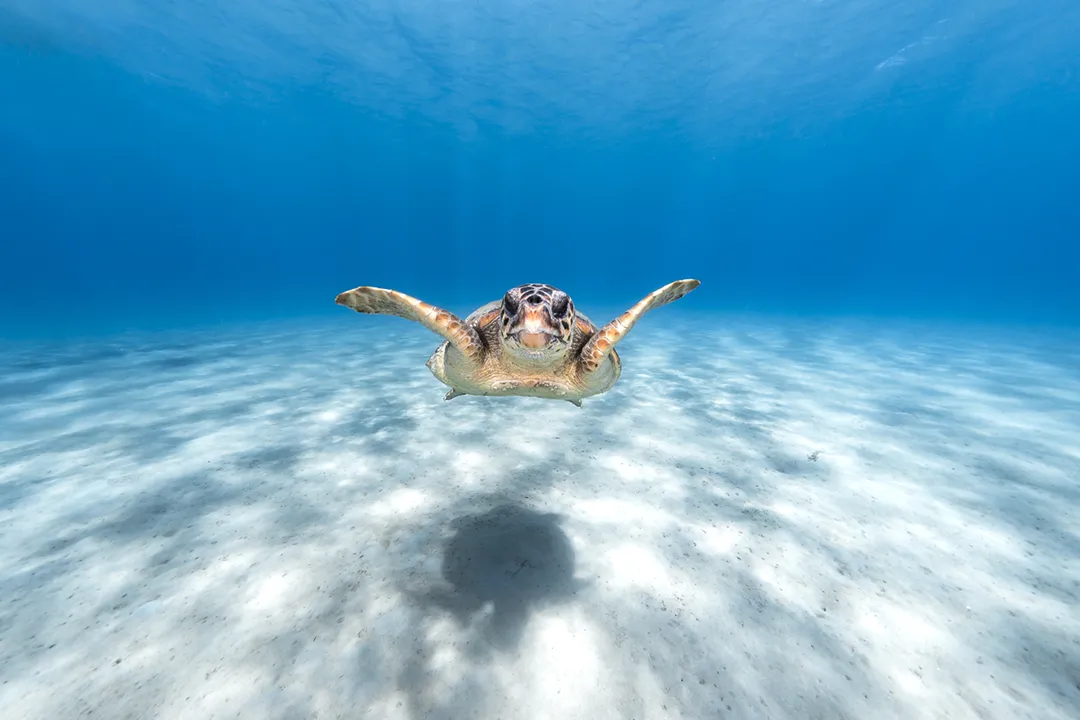
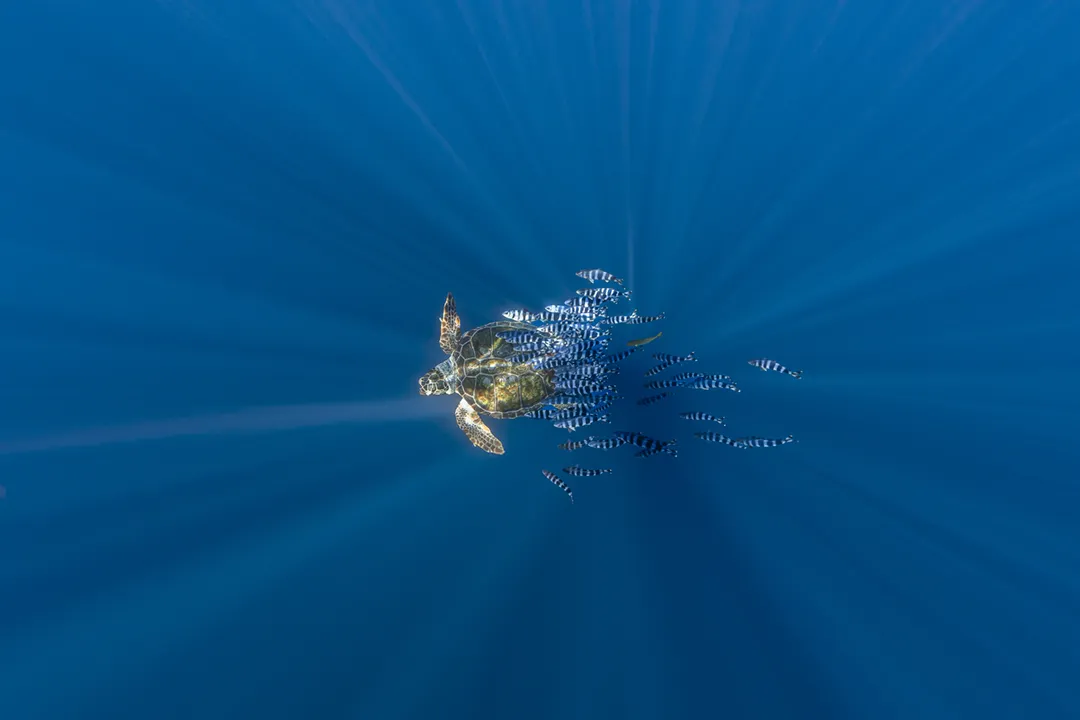
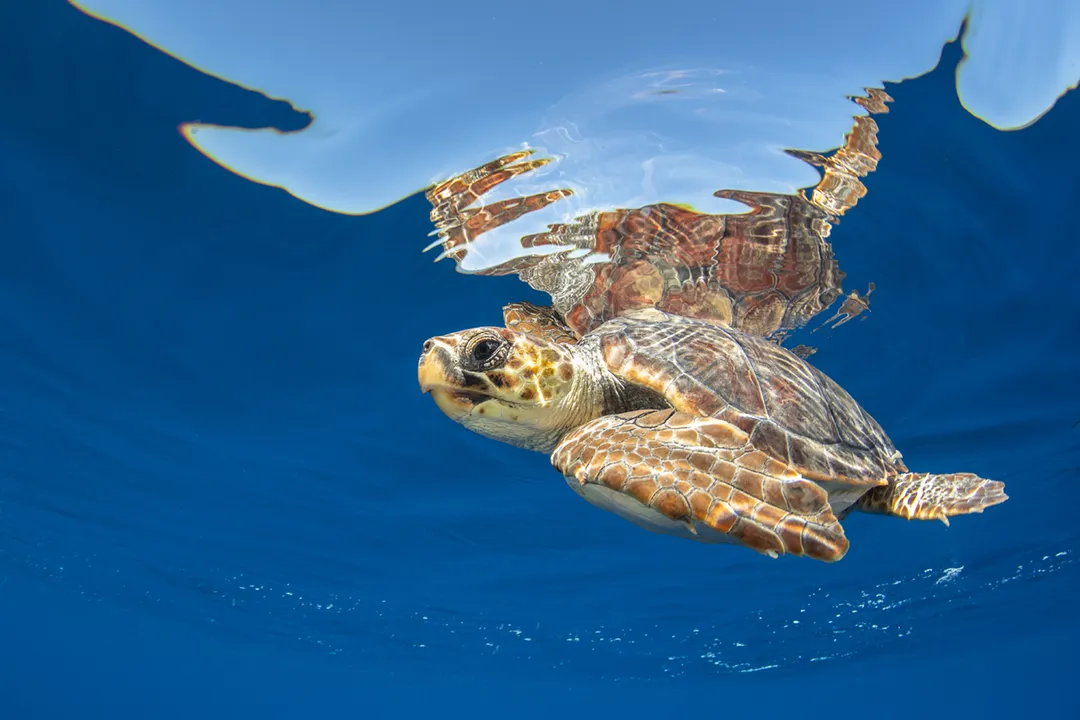
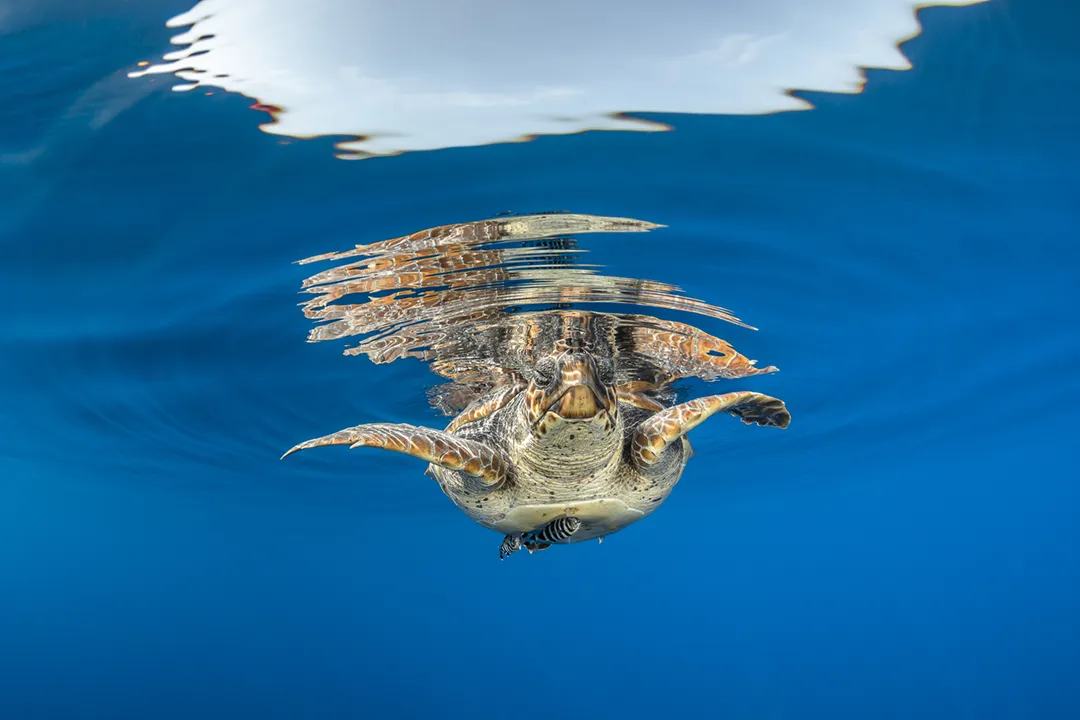
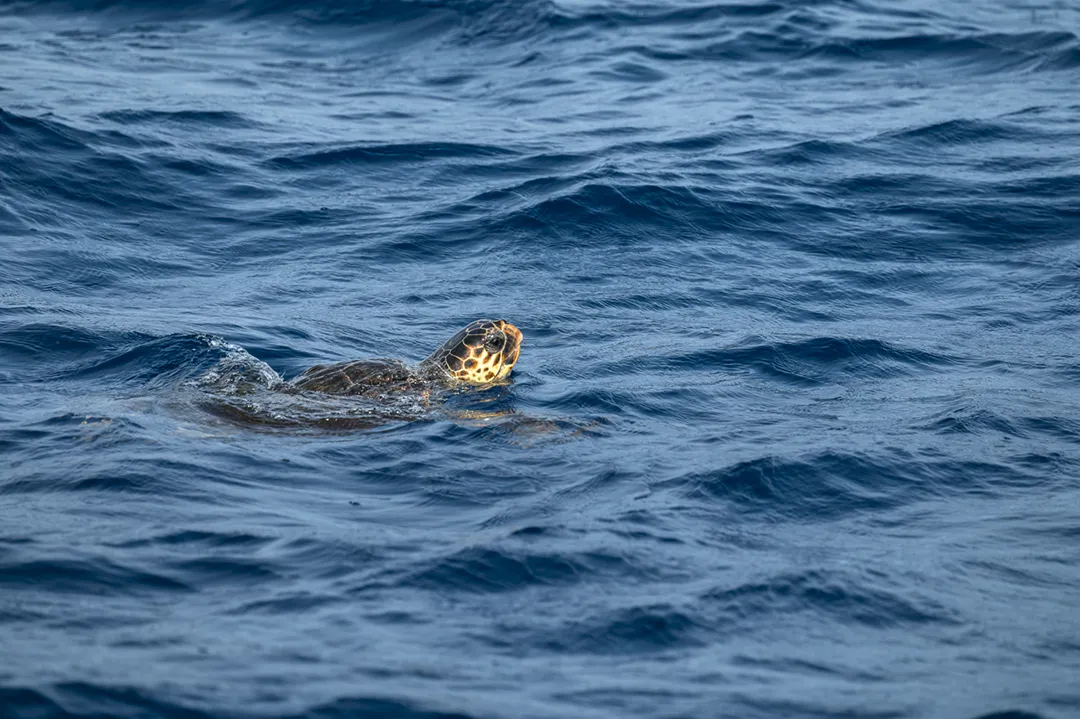
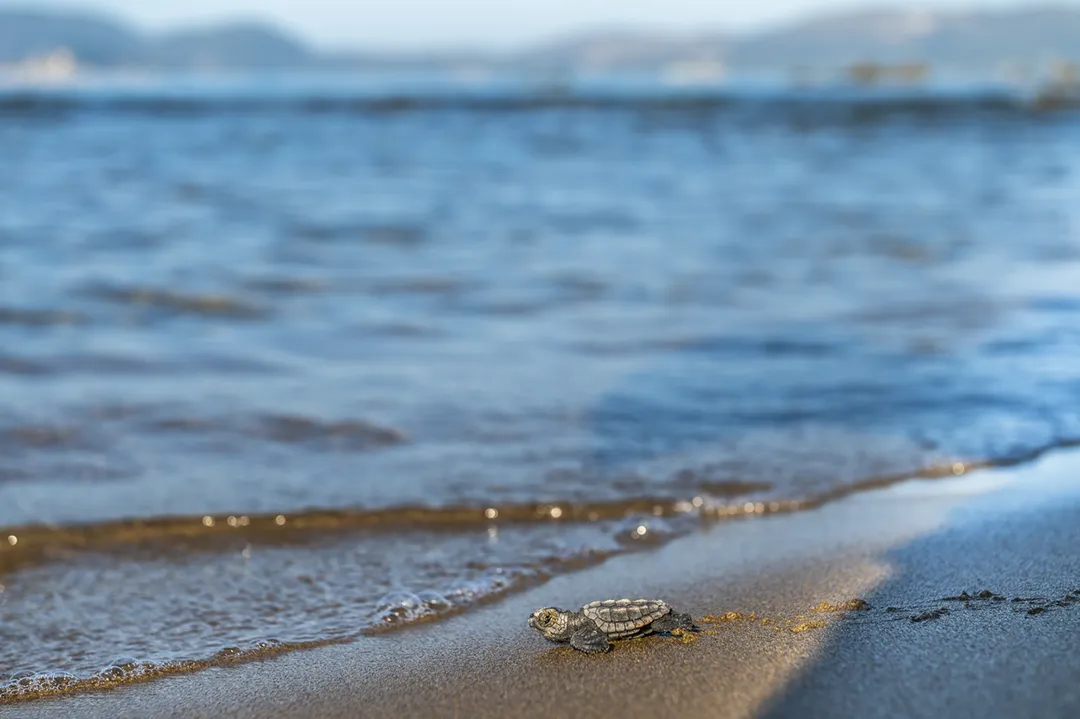
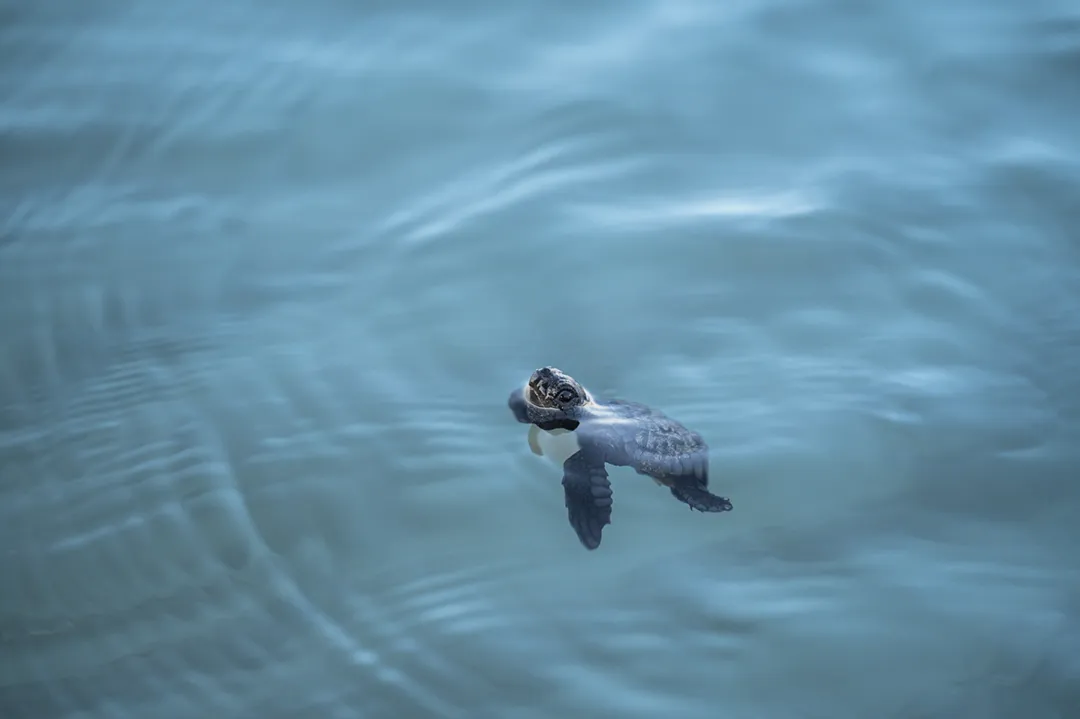
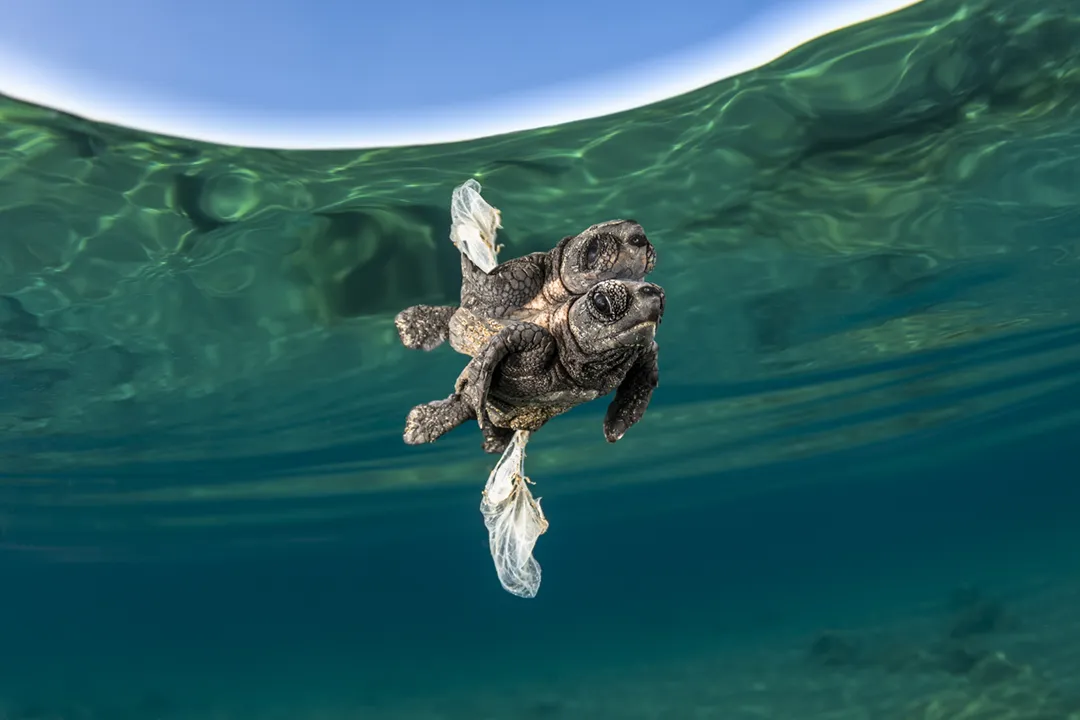
Marine Reptiles
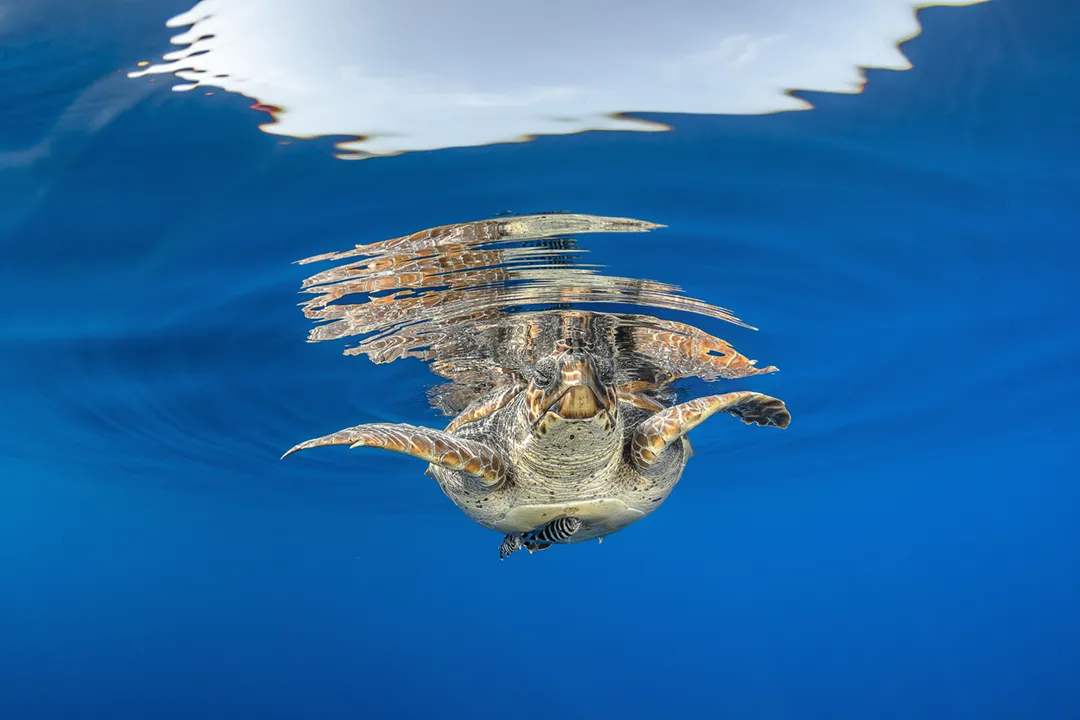
Just like loggerhead sea turtles, which return to lay their eggs on the beaches where they were born.
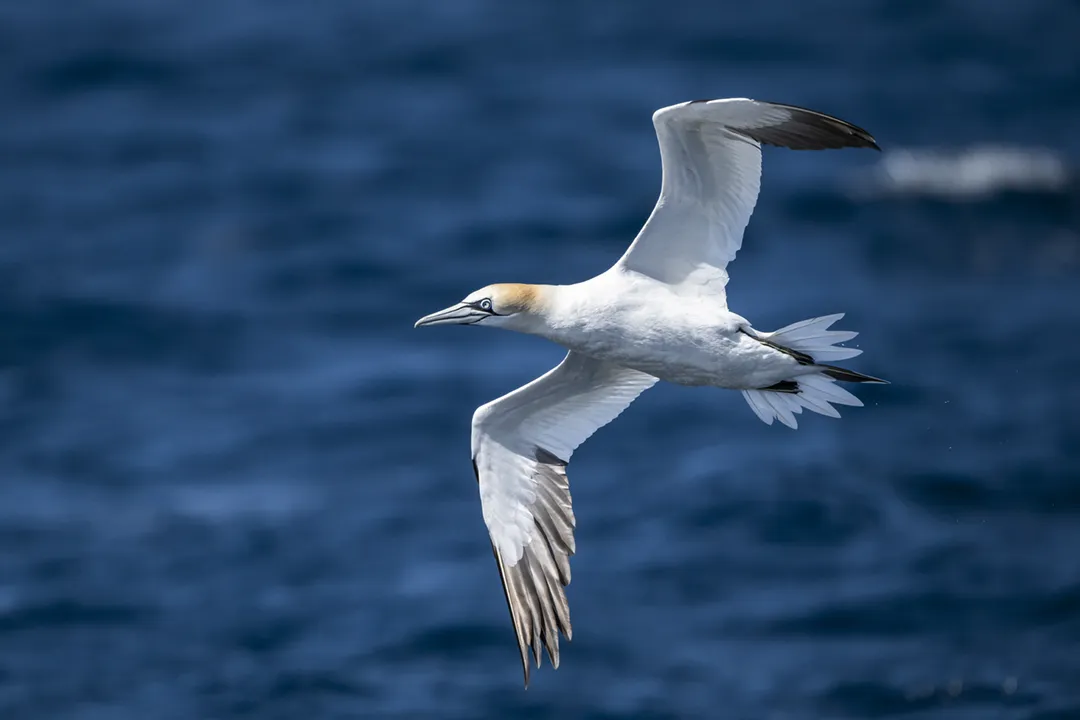
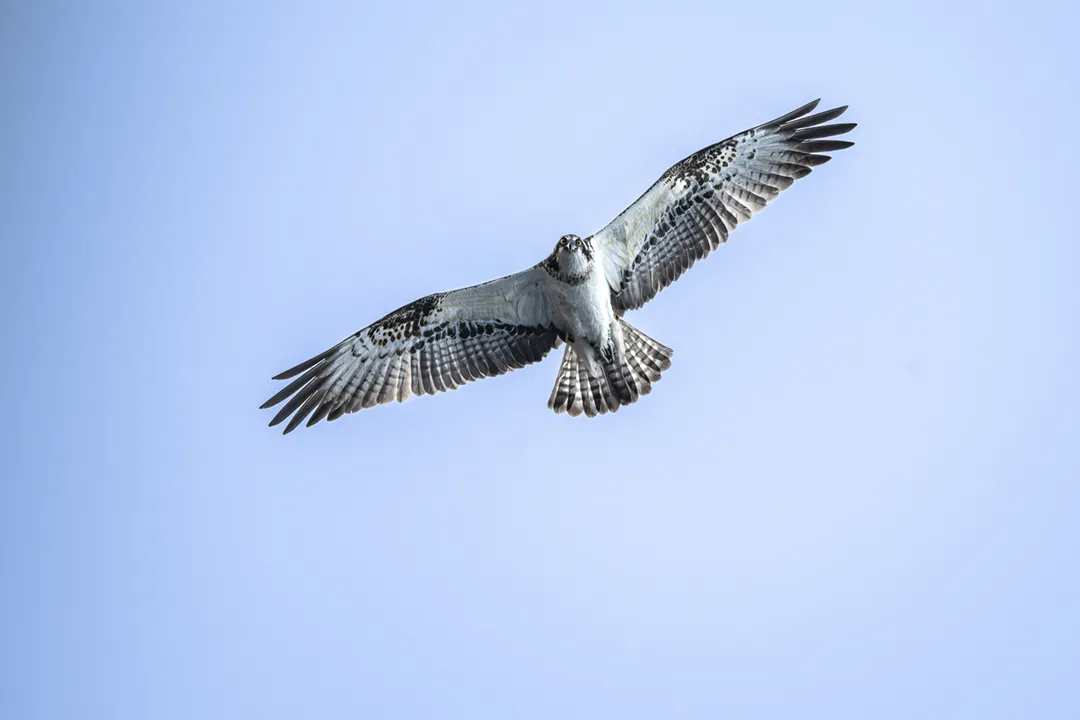
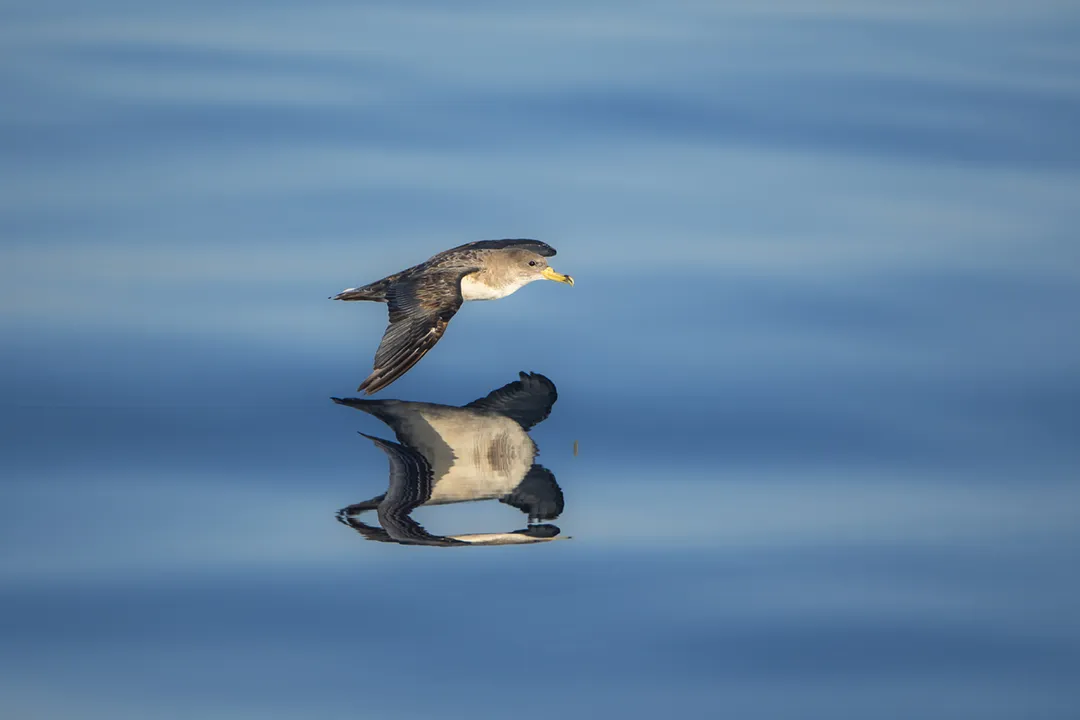
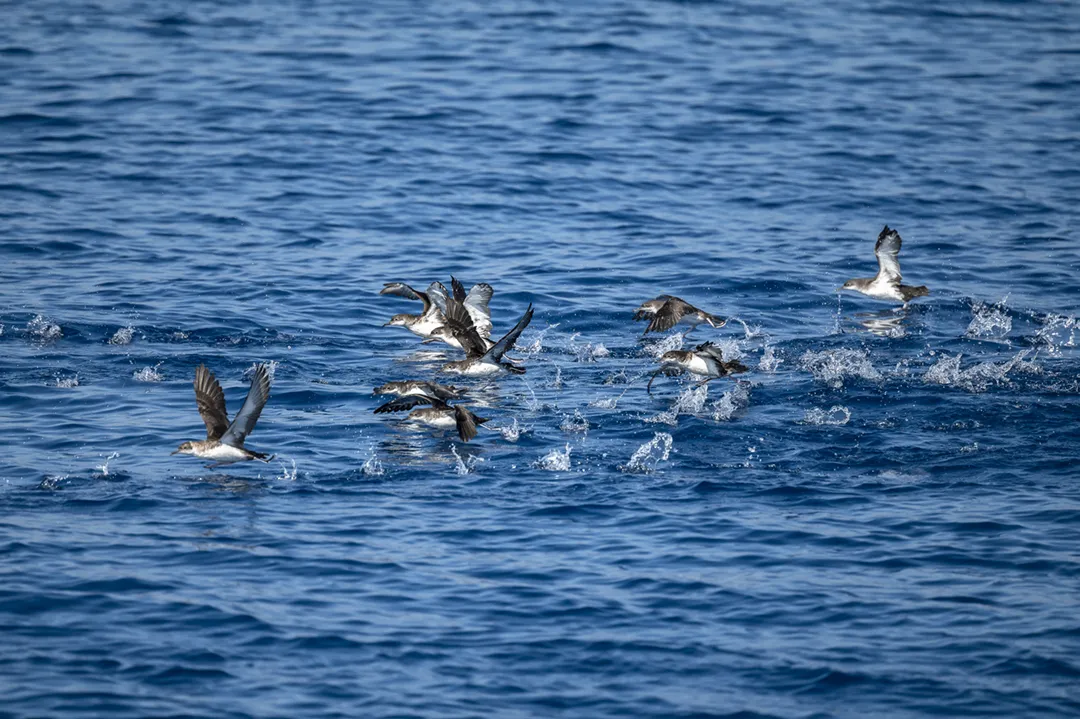
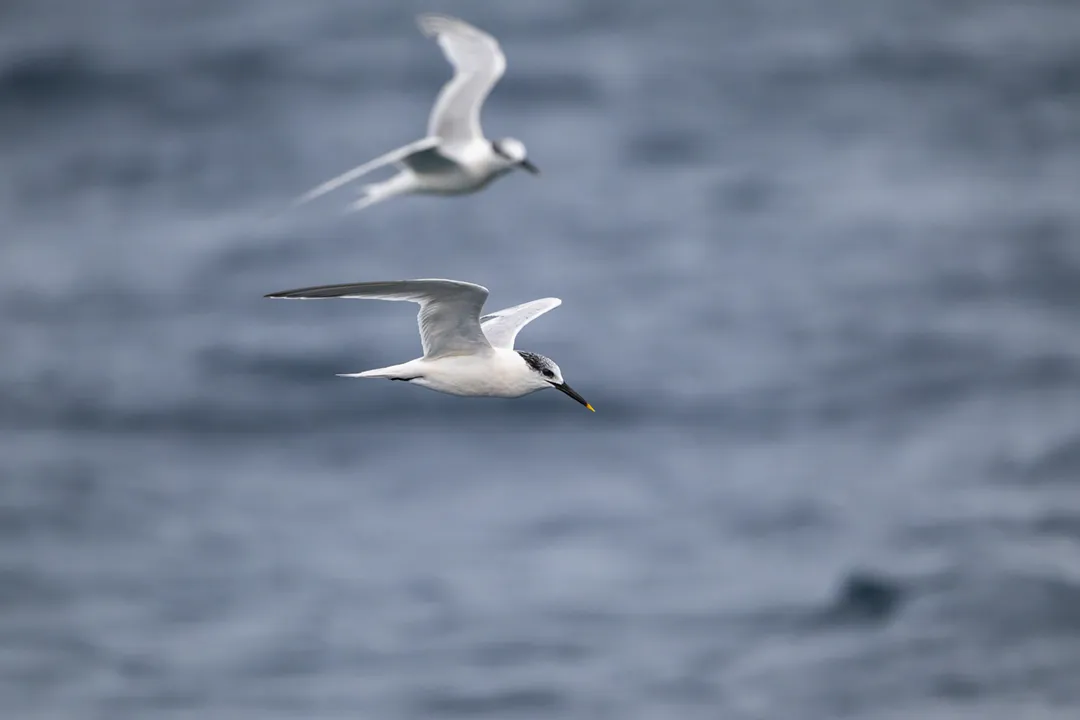
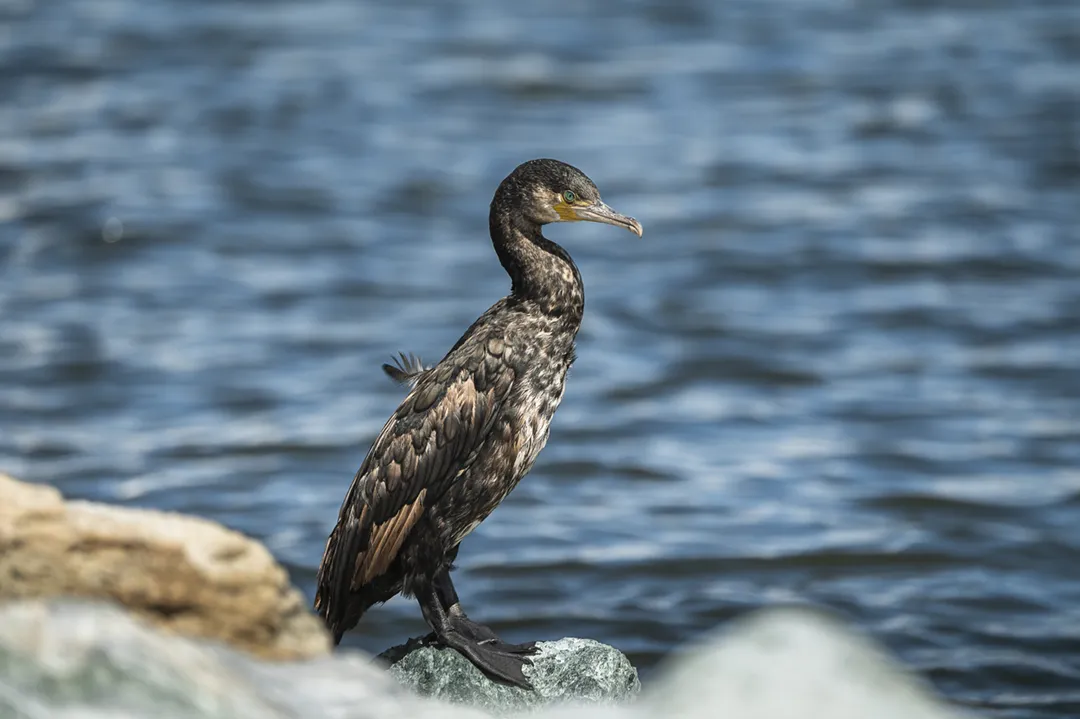
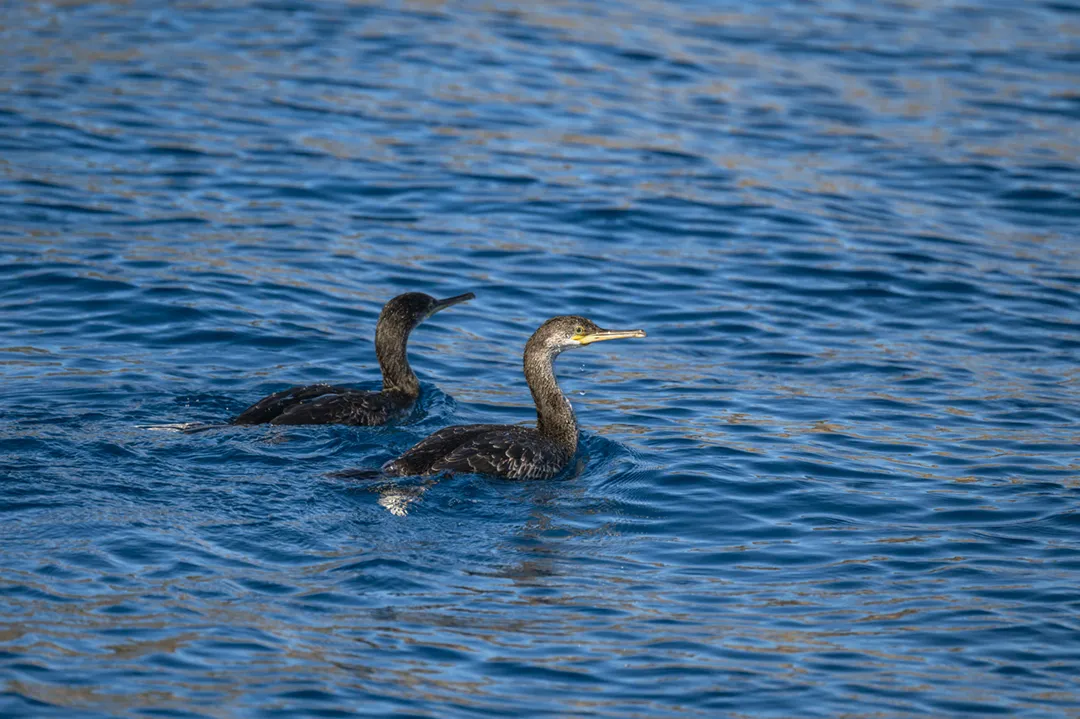
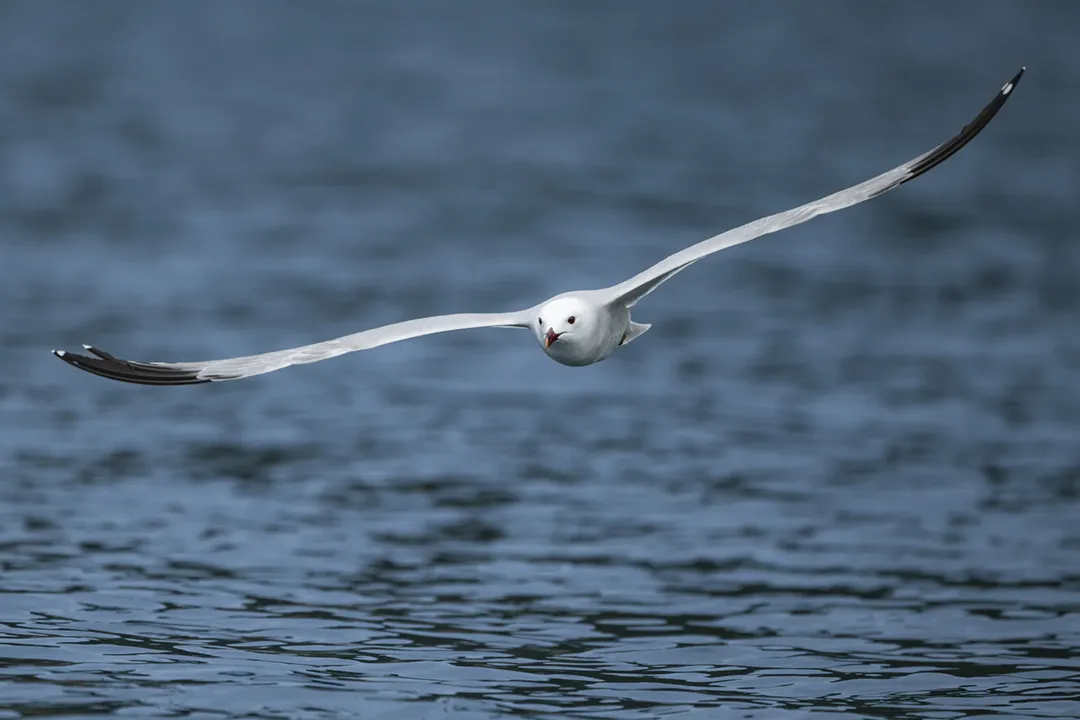
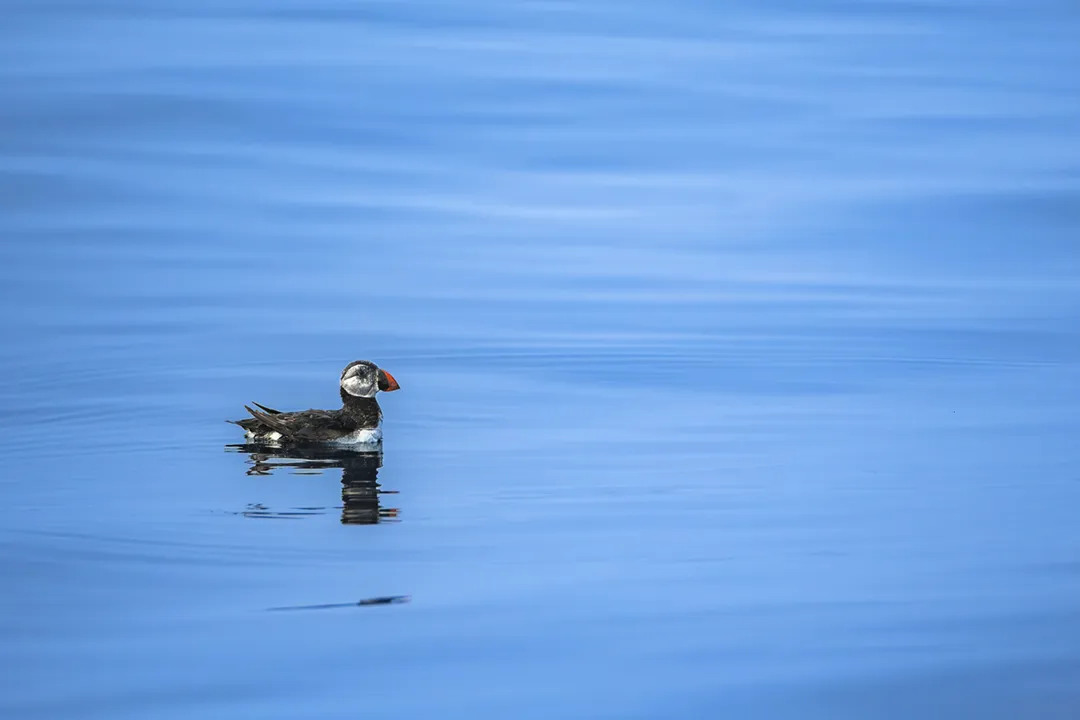
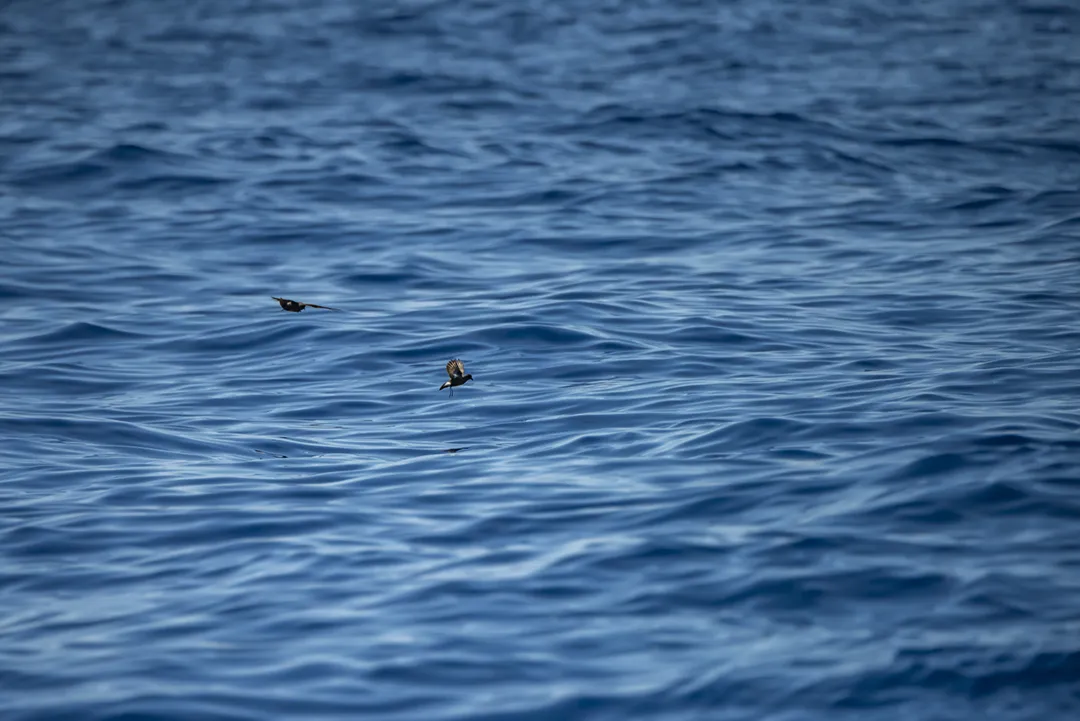
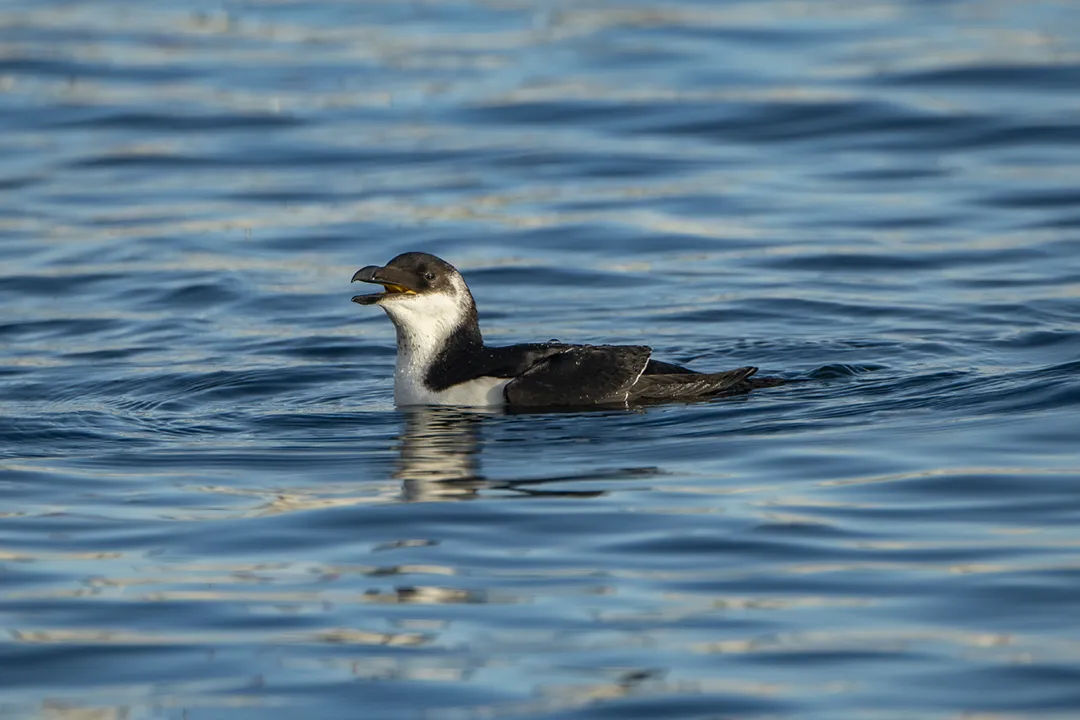
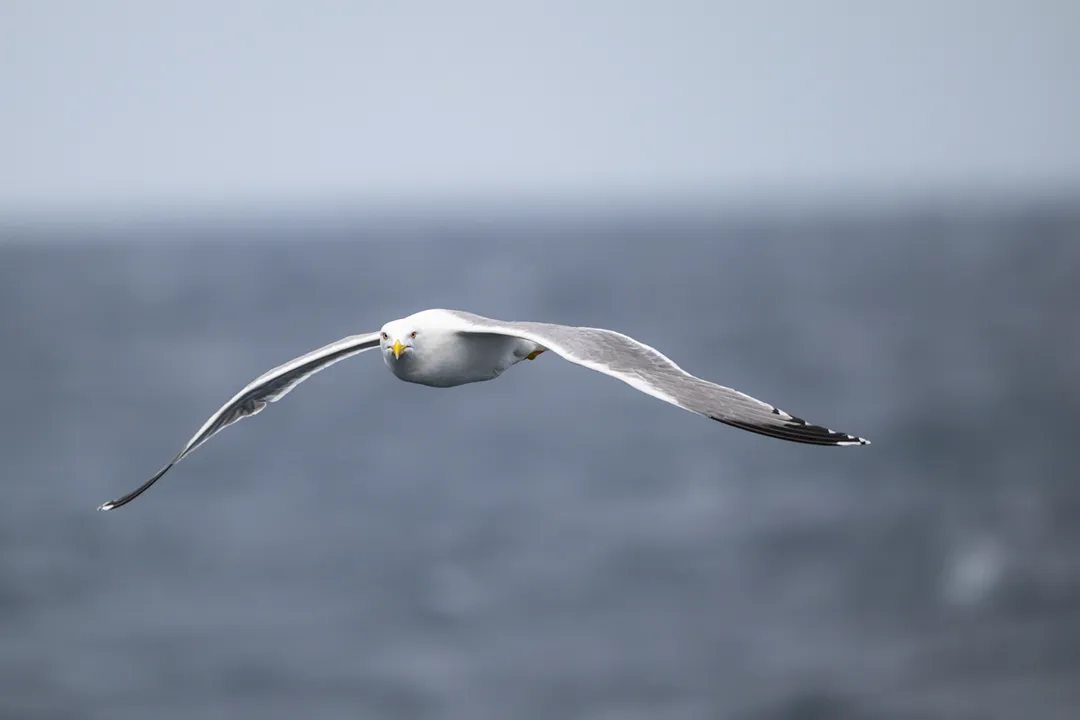
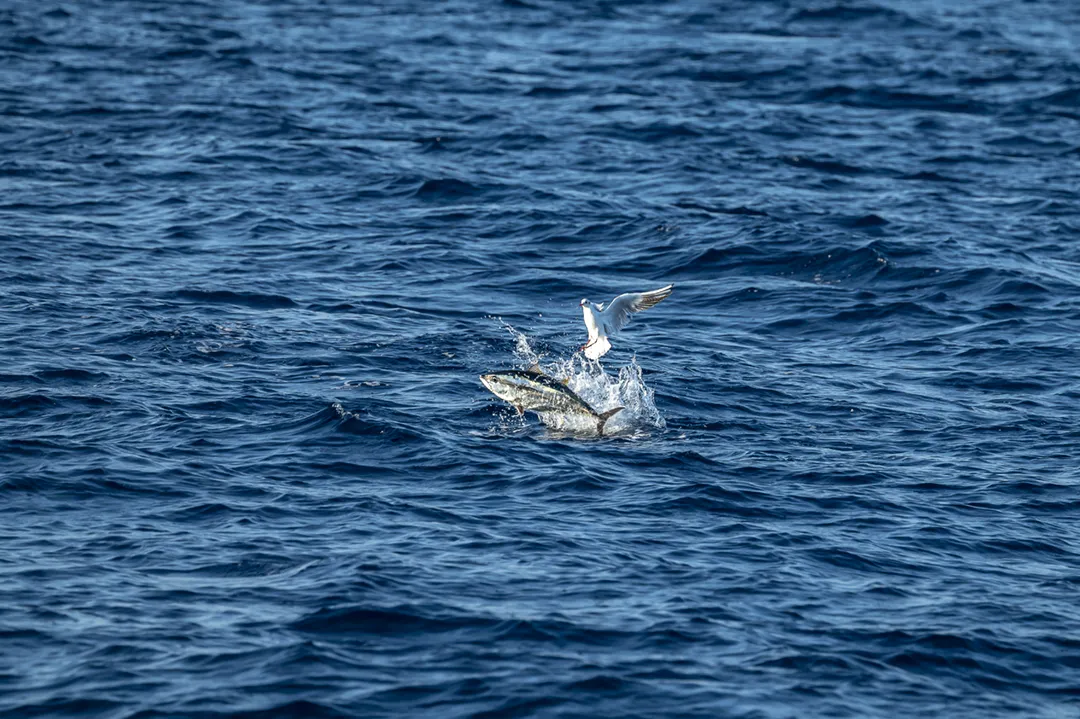
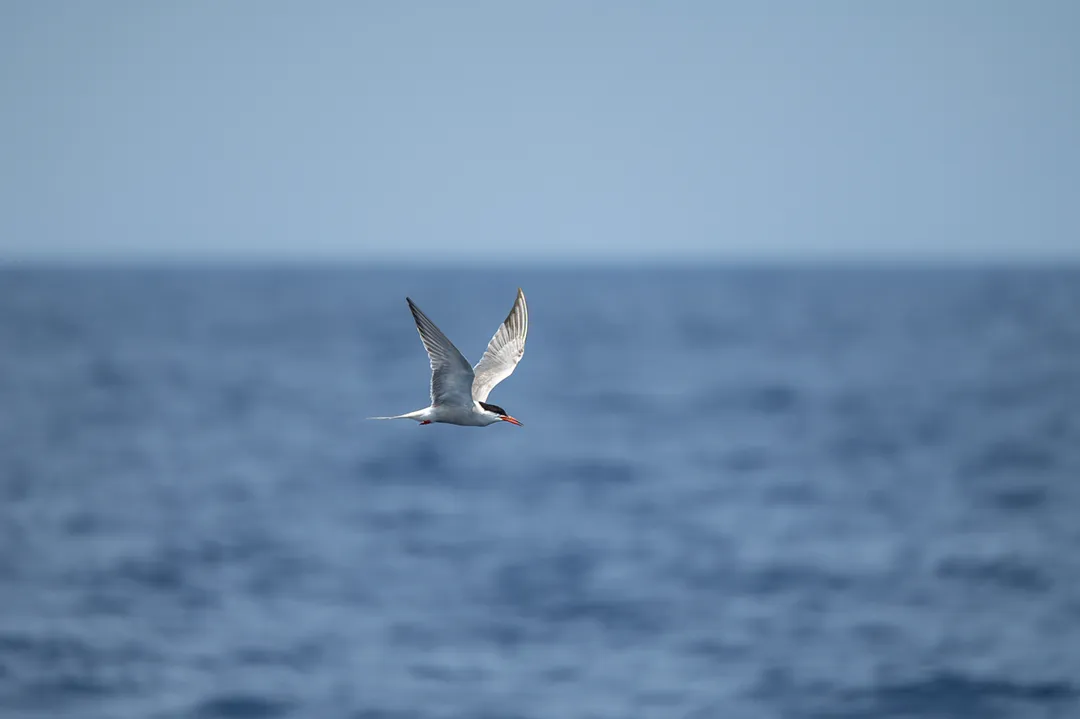
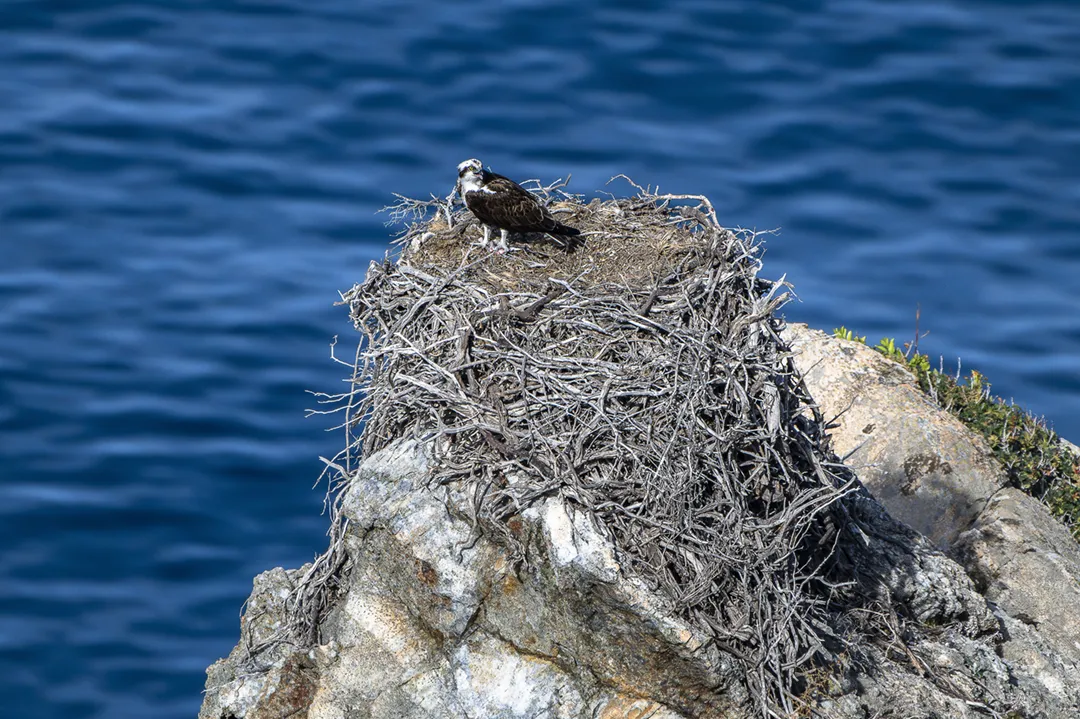
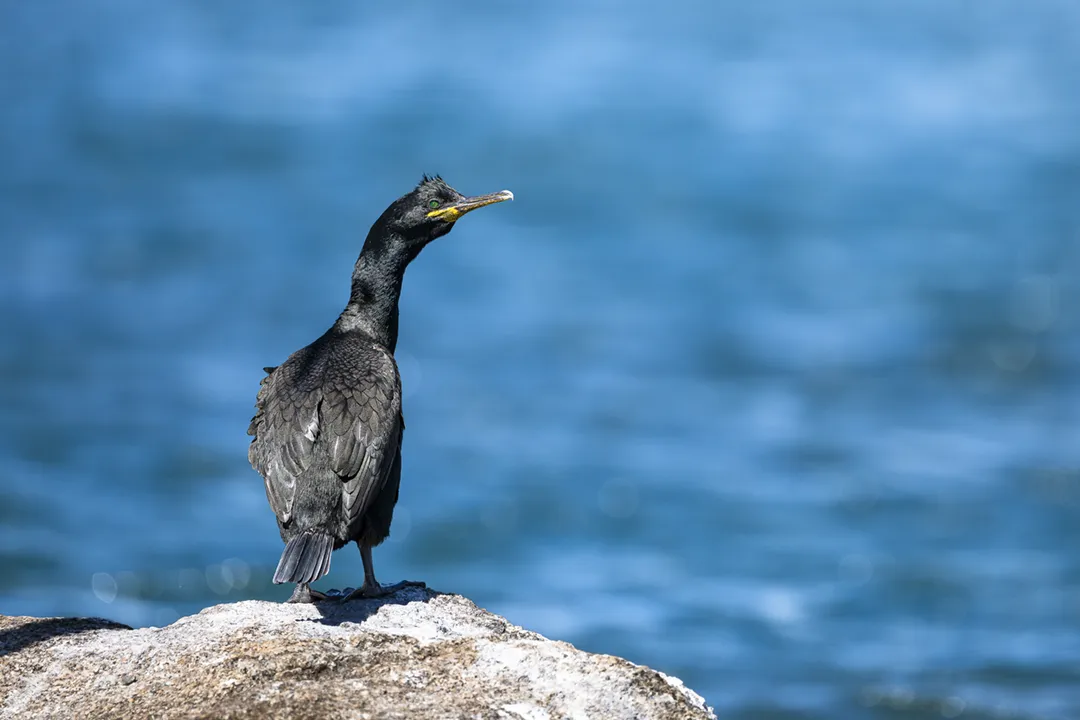
Seabirds
Hunting fish and crustaceans at the surface.
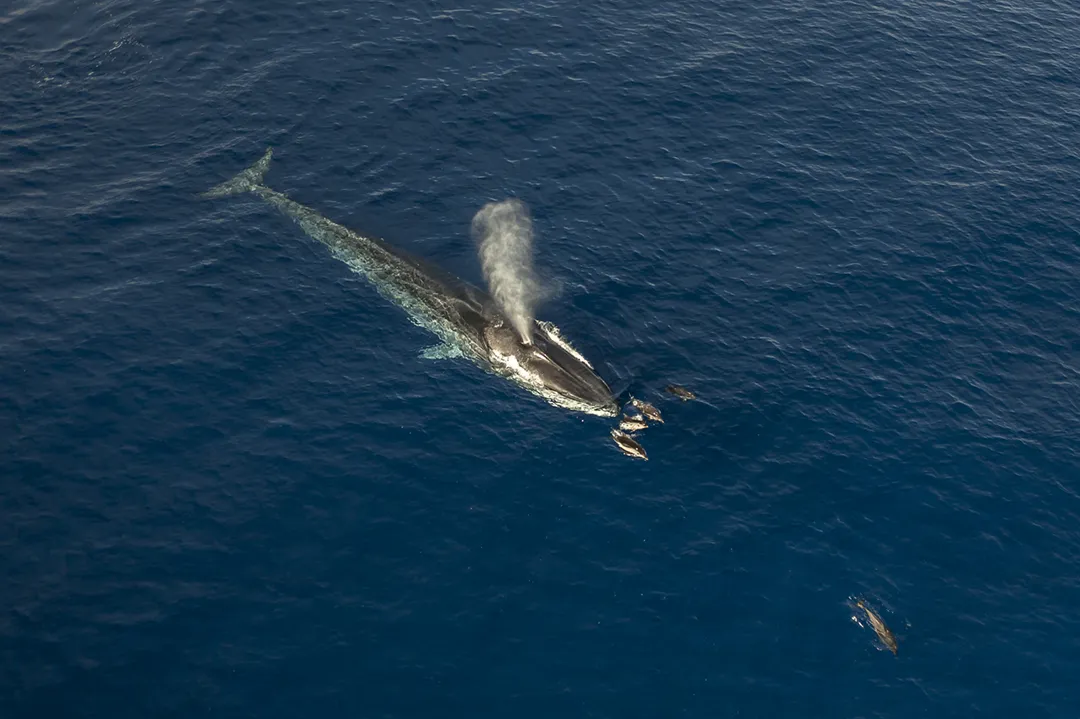
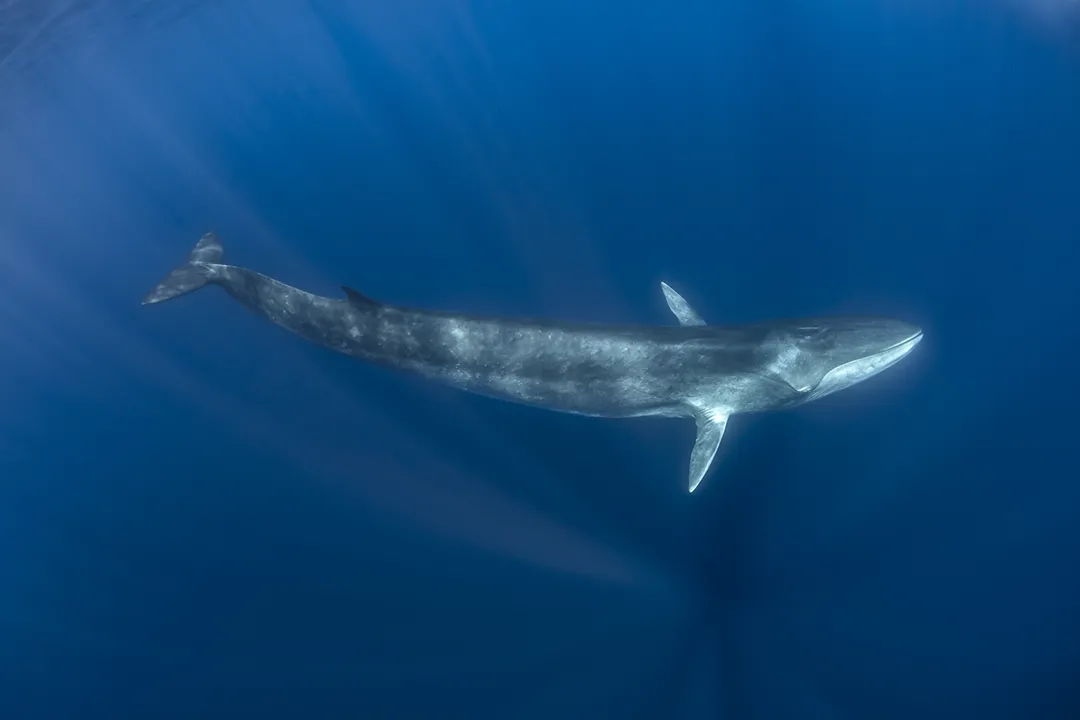
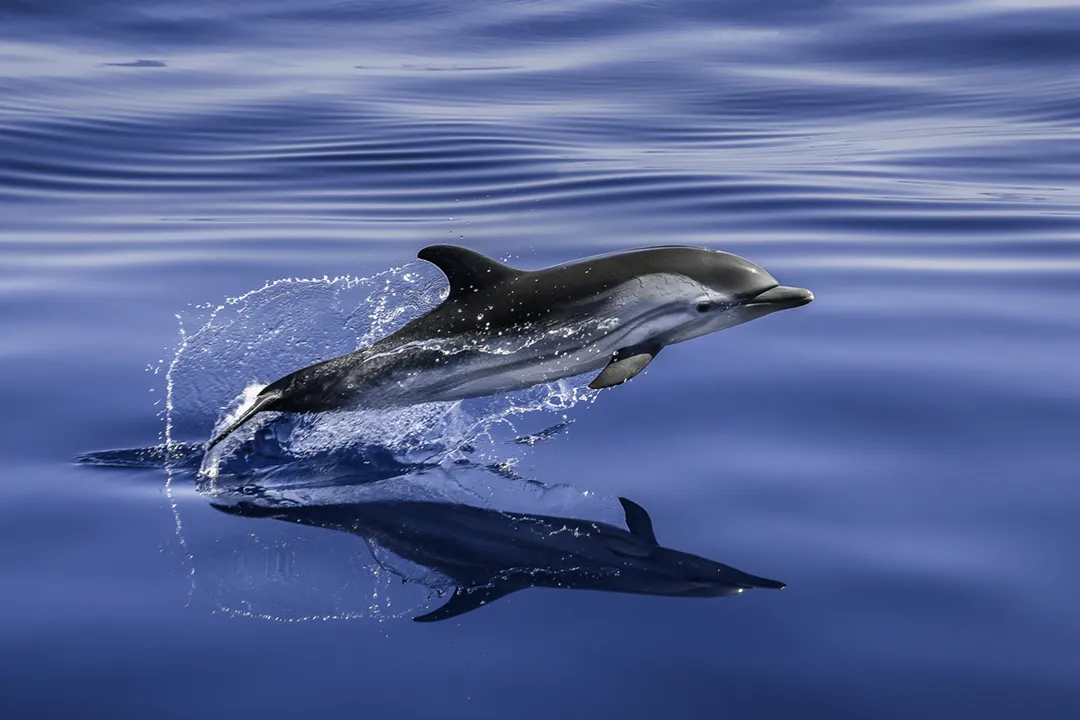
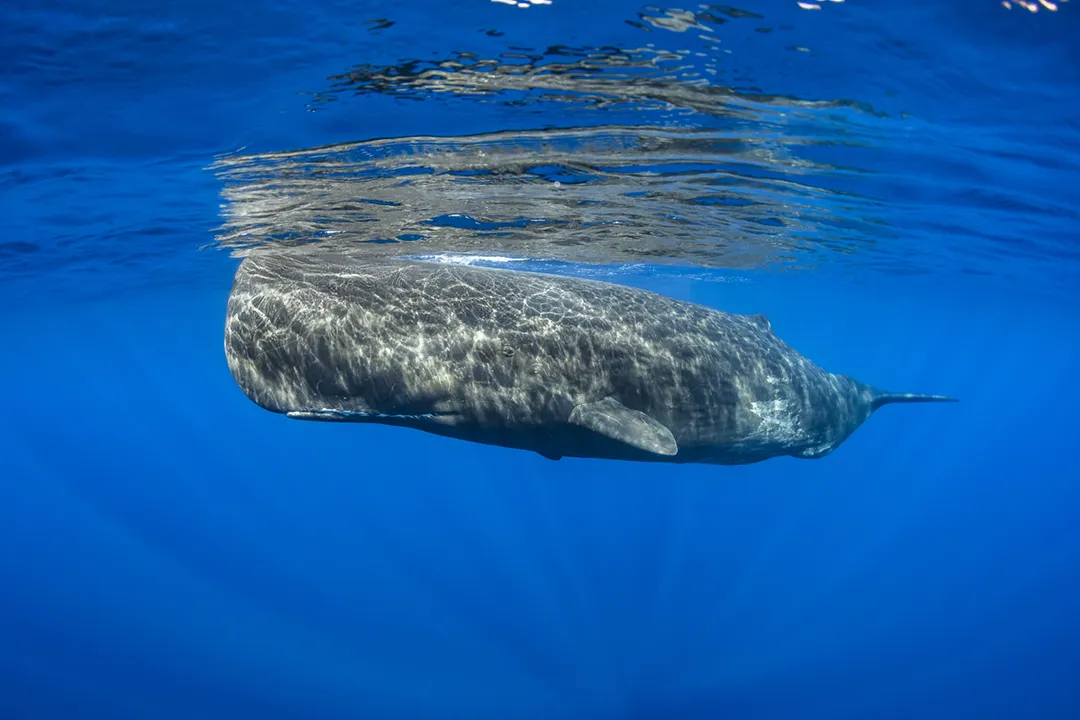
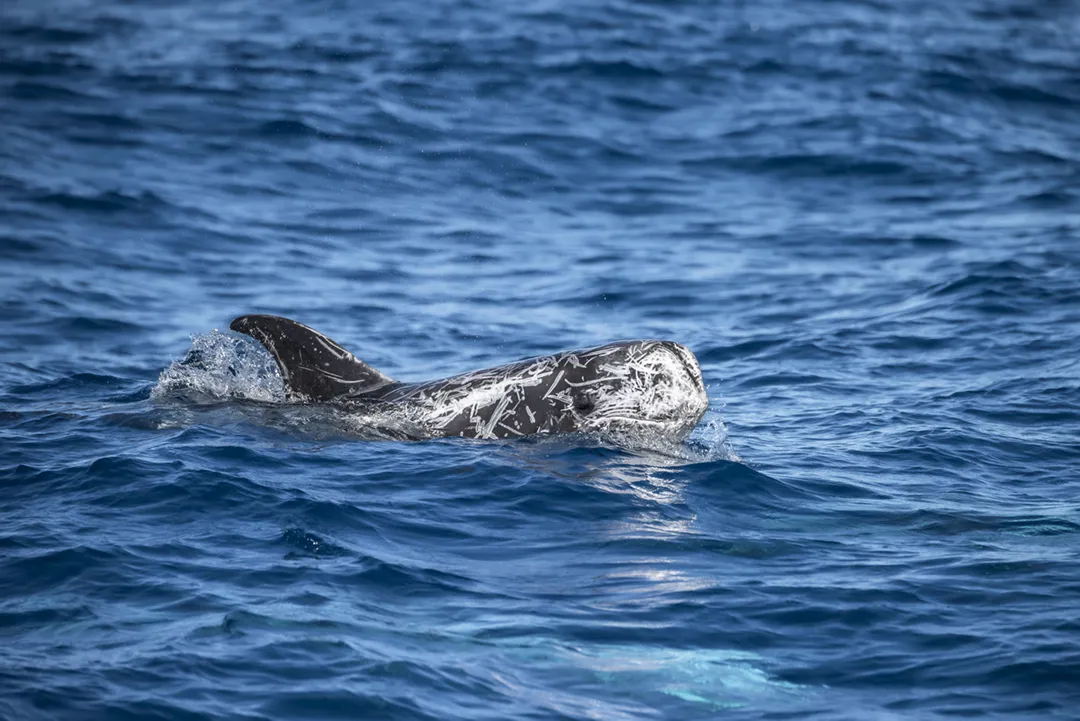
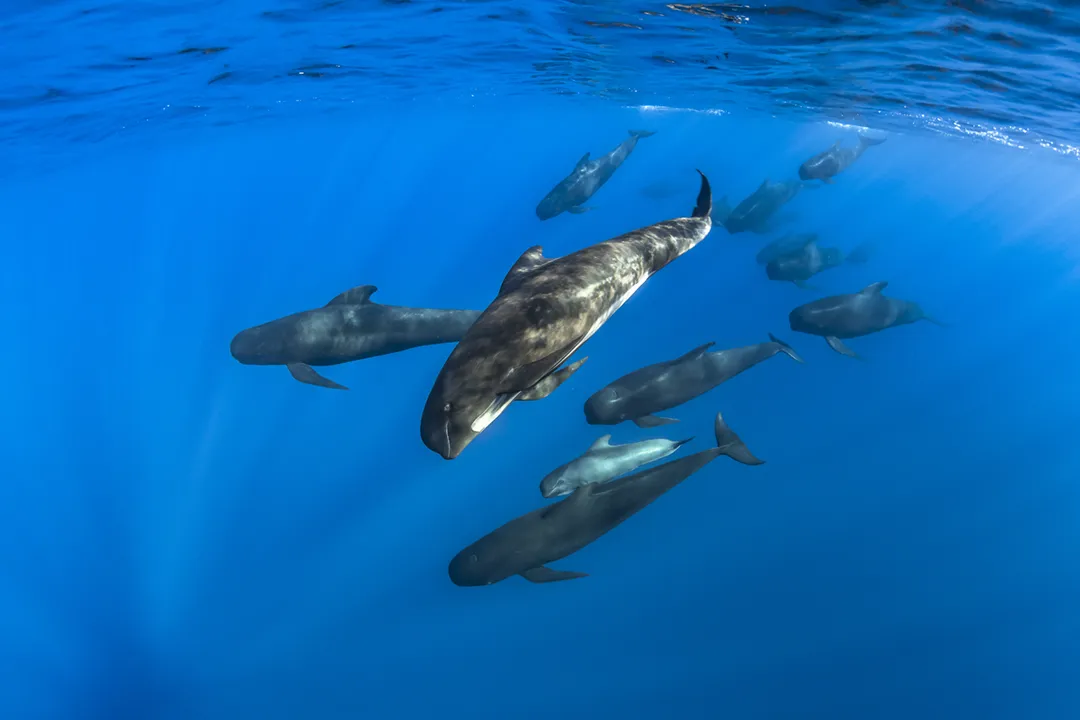
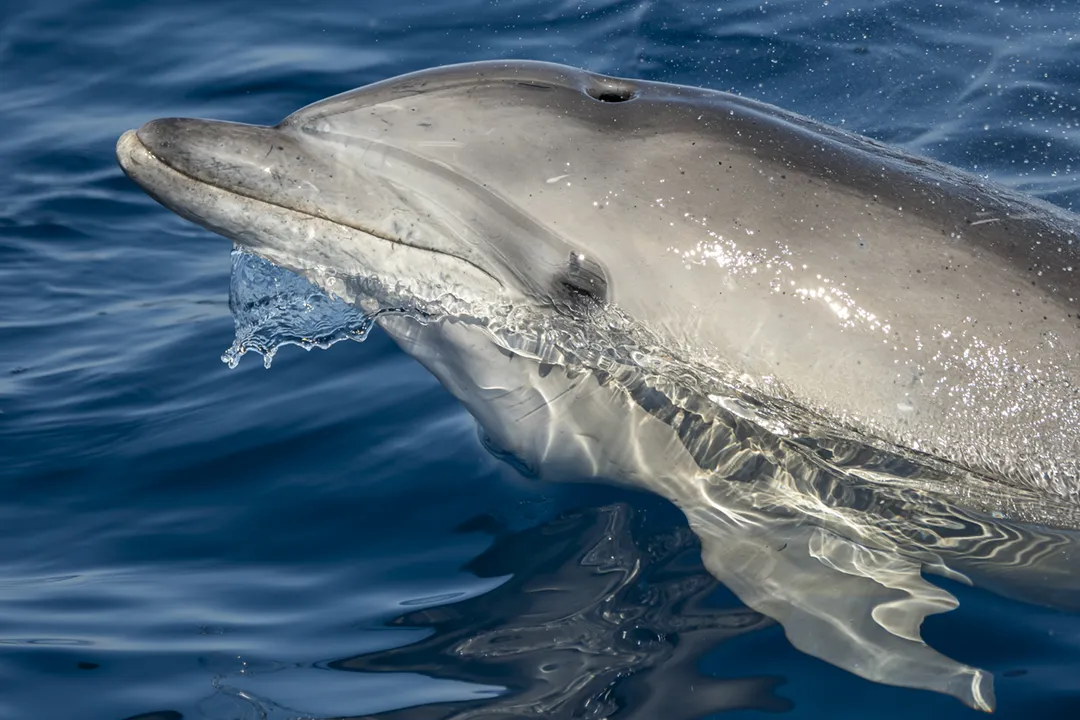
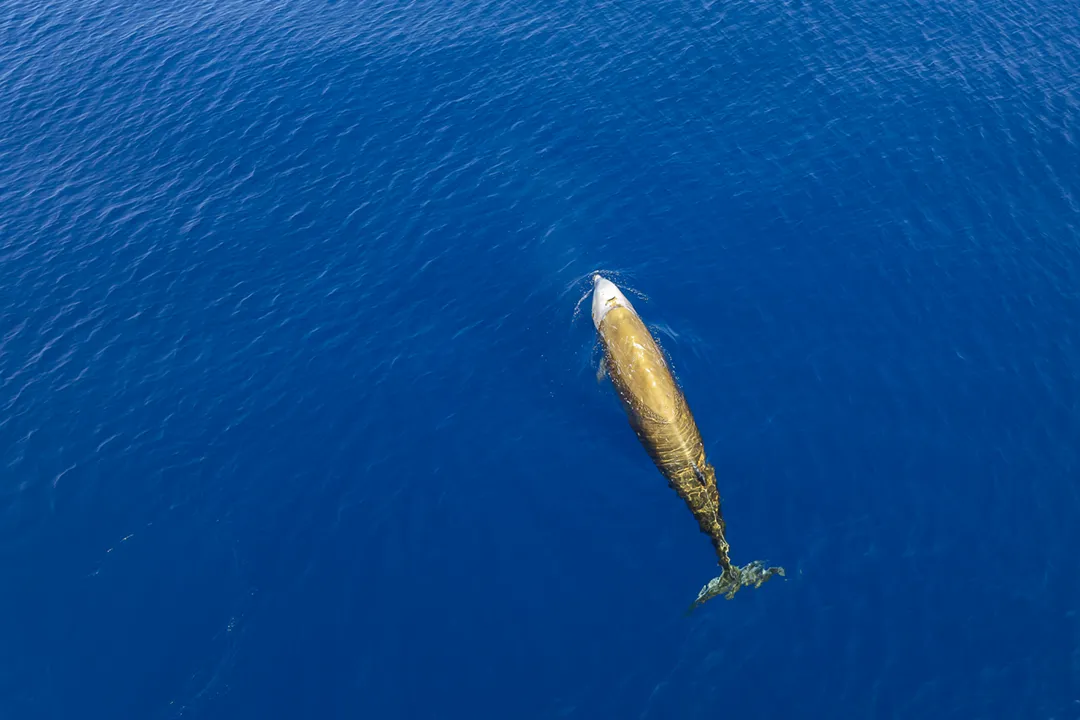
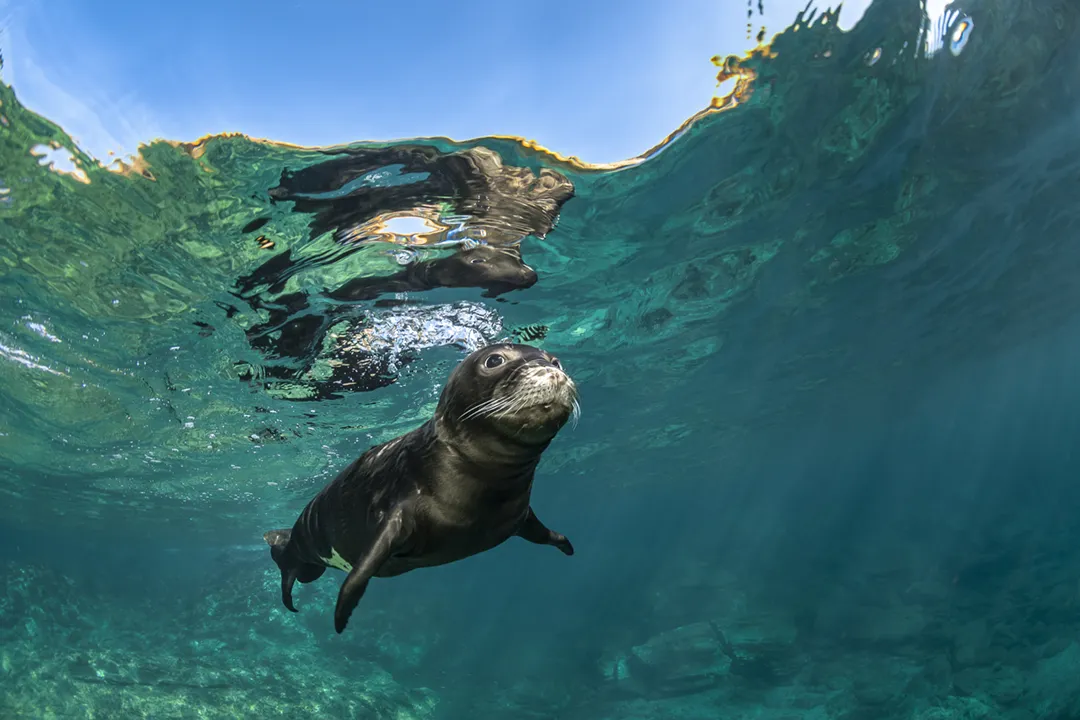
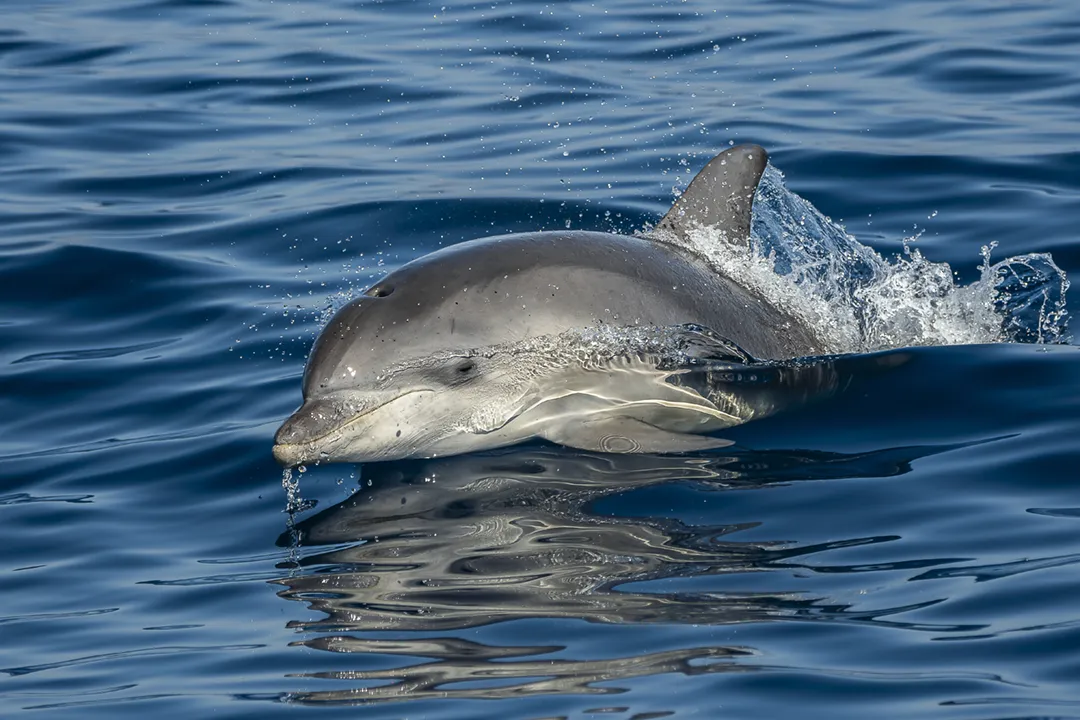
Marine Mammals
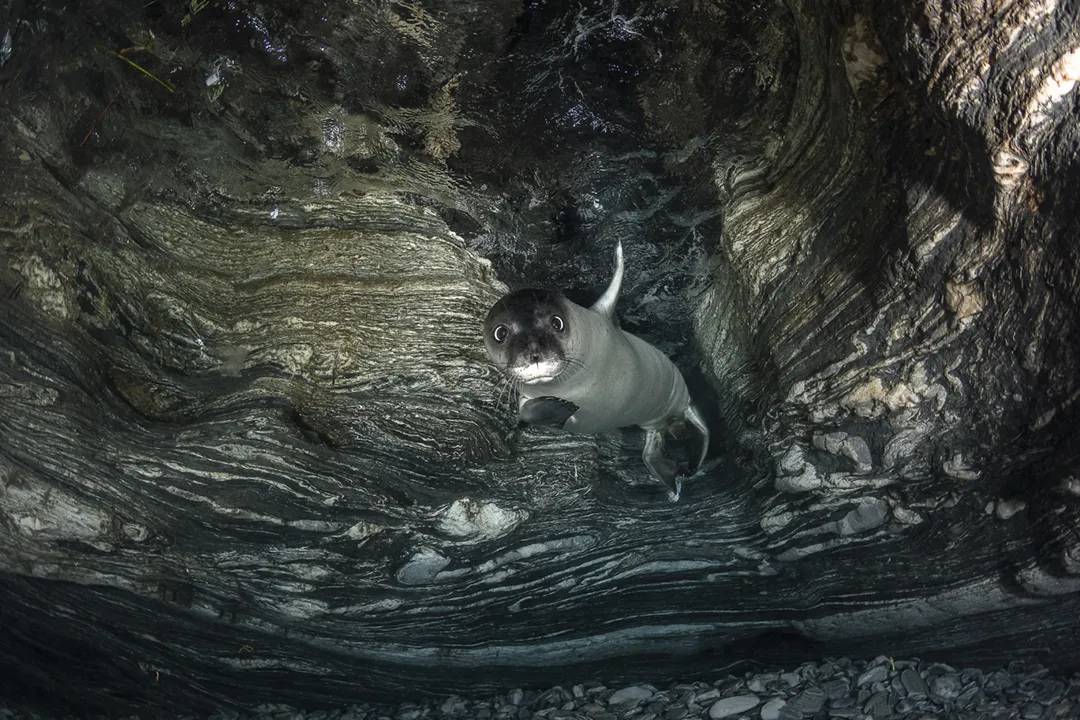
Dolphins, sperm whales, and fin whales: the symbols of the Pelagos Sanctuary.
A Shared Heritage to Protect
Every player, from the smallest to the largest, contributes to the health of the sea. Preserving this biodiversity means protecting not only the Mediterranean, but also the future of humanity.
Protecting a species isn’t just about banning its capture—it also involves reducing pollution, preserving essential habitats, creating marine protected areas, promoting sustainable fishing, and raising public awareness. Every protected species in the Mediterranean Sea is a vital link in our natural heritage. Defending them means ensuring the survival of unique ecosystems and passing on the living wealth of this “miniature ocean” to future generations.
Endemic species
Of the approximately 17,000 marine species recorded, nearly 28% are endemic:
They exist nowhere else on the planet. This uniqueness makes the Mediterranean Sea, a semi-enclosed sea, an absolute one-of-a-kind reservoir of life—an irreplaceable living heritage. Endemic species are the result of millions of years of evolution in an isolated basin, shaped by its geological history, its unique climate, and the diversity of its habitats. They are the true treasures of the Mediterranean Sea, and their disappearance would be permanent and irreversible.
A vital issue:
Preserving the Mediterranean’s endemic species means protecting the very identity of this sea and ensuring the survival of essential ecosystems. These species play a key role in oxygen production, climate regulation, and the stability of coastal habitats, as well as in our crops and food resources. Every endemic species that goes extinct is a unique voice of the Mediterranean Sea that falls silent.

Protected Species
Faced with multiple human pressures—overfishing, pollution, urbanization, shipping, mass tourism, and global warming—many marine species in the Mediterranean basin are now protected by law.
An international framework for protection:
To address this urgent need, several agreements and conventions are in place to protect Mediterranean biodiversity:
- Barcelona Convention: Protection of the Marine Environment and the Coastline.
- ACCOBAMS: Cetacean Conservation and Reducing Human Threats.
- CITES: Restrictions on the Trade in Endangered Species.
- European Directives (Habitats and Birds) and national laws: strengthening protections.
You can take action to protect the Mediterranean natural heritage.
